Asia · Trade
Singapore Hit With 12.5% US Tariff Over Forced Labor Enforcement Claims
The levy affects one-third of the city-state's exports to America following a four-month USTR investigation that concluded in July
KEY TAKEAWAYS
- ·Singapore faces a 12.5 percent US tariff on one-third of its exports following a USTR investigation that concluded in July over forced labor enforcement.
- ·The measure took effect July 24 at 12:01 pm Singapore time, with exemptions for energy, pharmaceuticals, semiconductors, and certain aerospace products.
- ·Sixty economies now face new US tariffs over forced labor concerns, with 19 receiving 10 percent rates including India, the UK, Mexico and Canada.
Tariff Takes Effect After Four-Month Probe
Singapore became subject to a 12.5 percent tariff on exports to the United States effective July 24, following an investigation by the Office of the US Trade Representative that ran from March through July. The probe examined whether trading partners adequately prohibit and enforce restrictions on importing goods produced with forced labor.
The tariff took effect at 12:01 pm Singapore time on Friday. According to official statements, roughly one-third of Singapore's exports to the US fall under the new levy.
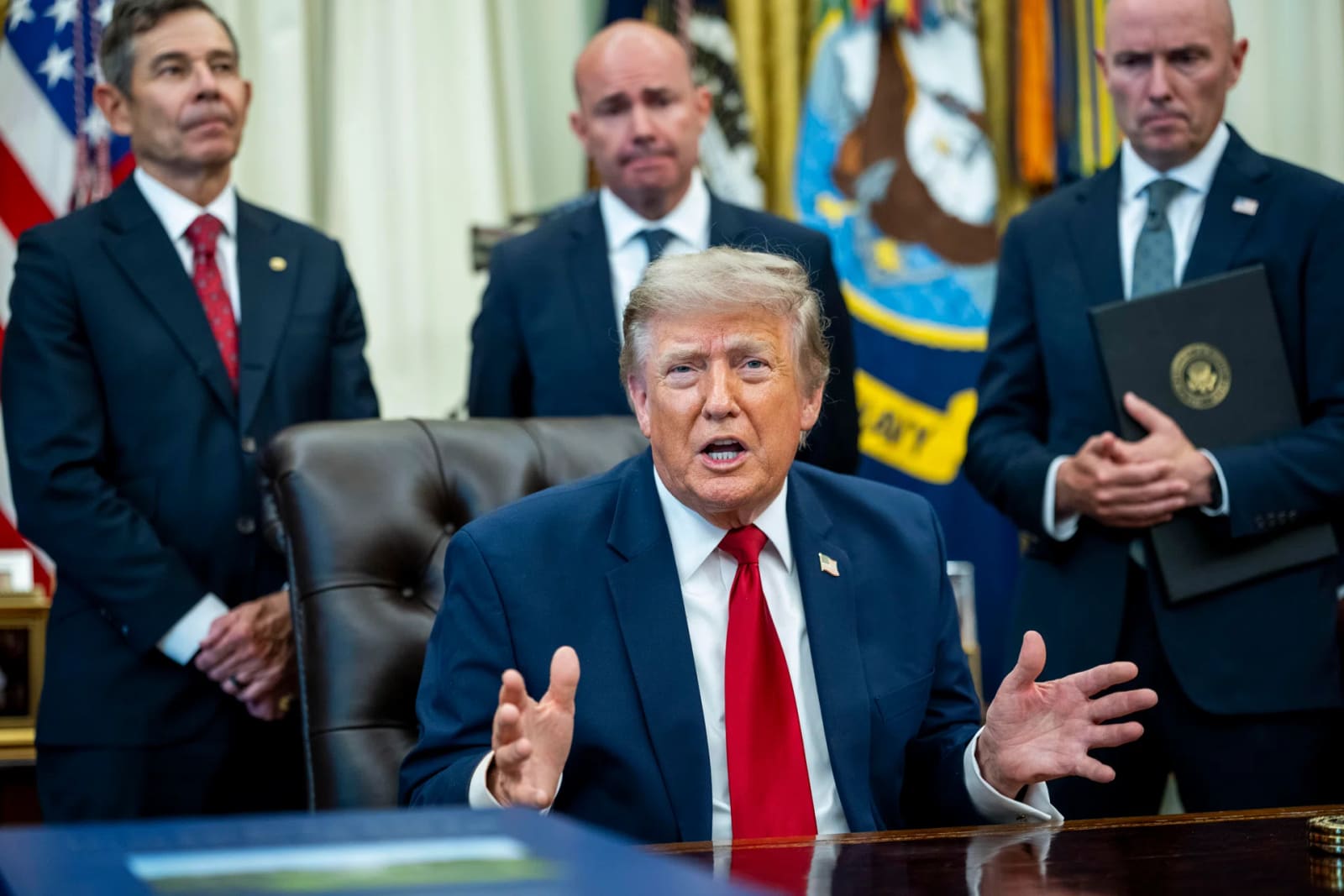
US Trade Representative Jamieson Greer defended the action, noting that the United States has maintained forced labor import restrictions for nearly a century and enforces them rigorously. He stated that trading partners should adopt similar standards.
Singapore Rejected Allegations in April
Singapore had previously pushed back against accusations of unfair trade practices in April, specifically denying claims that forced labor exists in its supply chains. Officials stated the city-state does not condone such practices.
Foreign Minister Vivian Balakrishnan raised the matter during a bilateral meeting with US Secretary of State Marco Rubio at the ASEAN Foreign Ministers' Meeting in Manila on Thursday, one day before the tariff went into force.
The Ministry of Trade and Industry had announced in June that certain categories would remain exempt from the measure. Energy and energy products, pharmaceuticals and pharmaceutical ingredients, select electronics, certain aerospace products, semiconductors, and metals used in currency and bullion all avoid the levy.
Sixty Economies Face New Trade Barriers
The US action extends beyond Singapore. A total of 60 economies now face new tariffs tied to forced labor concerns announced Friday.
Nineteen other economies received a 10 percent tariff rate rather than the 12.5 percent level. This group includes countries that recently imposed forced labor restrictions, made commitments to adopt them, or maintain prohibitions but fail to enforce them effectively. India, the United Kingdom, Mexico and Canada fall into this category.
The investigation formed part of a broader series of probes launched to impose stricter tariffs after the US Supreme Court struck down reciprocal tariffs in February. The president responded by immediately imposing a 10 percent global levy under Section 122, which expired in July.
Additional Investigations Underway
Singapore and 15 other economies also face separate USTR investigations under Section 301. These probes examine acts, policies and practices related to structural excess capacity and production in manufacturing sectors.
The timing for results from these additional investigations remains unclear, as does whether any penalties will stack on top of the 12.5 percent levy announced Friday.
The forced labor tariff arrives as Singapore navigates a complex trade environment. The city-state serves as a major logistics and manufacturing hub for the region, with strong trade links to both the United States and Southeast Asian production networks.
Singapore's export economy relies heavily on electronics, chemicals, and refined petroleum products. The partial exemptions for semiconductors and certain electronics may cushion the impact, though the one-third exposure still represents significant trade volume.
Regional partners are watching closely. Southeast Asian economies have built supply chains that often route through Singapore's port and financial infrastructure. Any disruption to Singapore's US trade relationship carries implications for broader regional export flows.
The tariff mechanism reflects Washington's effort to use trade policy as a lever for labor standards enforcement. Whether other major economies will follow with similar forced labor restrictions on imports remains an open question that will shape global supply chain decisions in the months ahead.
RELATED STORIES
Vietnam Draws $7.5 Billion From Singapore in Seven Months
Priyanka V. Rao · 3 min
Singapore Eyes Global Investment Court as UN Talks Near Final Stage
Priyanka V. Rao · 3 min
Singapore Economists Lift 2026 Growth Outlook to 5% as Chip Exports Surge
Priyanka V. Rao · 3 min
Singapore Inflation Climbs on Power Tariffs, Stays Below Forecasts
Lim Hui Ying · 5 min
Spot something wrong? Email editor@briefasia.com. We log every correction publicly.