Sustainability · Energy
Singapore Faces Energy Supply Crunch as Data Centres Expand
Industry survey reveals infrastructure strain and storage demand while clean energy deployment lags behind facility construction pace

KEY TAKEAWAYS
- ·Forty-five percent of energy professionals expect data centre growth to increase pressure on Singapore's energy supply and infrastructure by 2030, with 31 percent anticipating greater demand for storage and grid upgrades.
- ·Only 13 percent of respondents expect renewable energy deployment to be the main impact, as clean energy supply is not keeping pace with data centre construction despite green mandates.
- ·Nearly 60 percent cite data quality and implementation cost as barriers to AI adoption in energy, while 35 percent say the Middle East conflict has moderately affected business decisions.
Infrastructure Strain Outpaces Green Energy Gains
Singapore's rapid data centre expansion is set to strain the city-state's energy infrastructure faster than it can drive renewable adoption, according to a survey of 100 energy sector professionals across Southeast Asia.
The Sustainable Energy Association of Singapore found that 45 percent of respondents identified increased pressure on energy supply and infrastructure as the primary consequence of data centre growth by 2030. Another 31 percent anticipate heightened demand for energy storage and grid upgrades.
Only 13 percent of those surveyed expect greater renewable energy deployment to be the key outcome, despite Singapore's policy push requiring new data centre capacity to source at least 50 percent of power from green sources such as vertical solar, biomethane, or green hydrogen.
Kavita Gandhi, executive director of the association, pointed to a fundamental mismatch. Clean energy supply is not arriving at the speed data centres are being built, she noted. The industry is monitoring whether this energy demand will affect electricity prices and if infrastructure development can keep pace.
Bilateral Deals and Opacity
The gap between data centre construction timelines and renewable energy availability reflects deeper systemic issues. Gandhi described "a little bit of pessimism" around achieving clean energy goals for these facilities.
The association previously published a white paper highlighting challenges including opaque project evaluation methods and energy procurement mechanisms that have not evolved to accommodate green sources. Much of the renewable energy sourcing currently happens through bilateral discussions between data centre operators and energy developers, with persistent uncertainty around contracting frameworks.
Gandhi said the situation remains largely unchanged since the white paper's release. Bilateral negotiations continue without standardized evaluation criteria or transparent procurement pathways.
AI Optimism Meets Data Reality
The same survey revealed cautious optimism about artificial intelligence in the energy sector, tempered by practical barriers. Fifty-seven percent of respondents expect AI to play a significant role in accelerating Singapore's energy transition over the next five years.
More than 35 percent reported their organizations are running AI pilot projects, while another third are exploring opportunities. However, nearly 60 percent cited data quality and availability, along with implementation cost, as the biggest obstacles.
Gandhi highlighted specific applications where AI shows promise. The technology can improve solar power system yields by identifying malfunctioning panels and verifying promised output. Every additional kilowatt extracted translates to revenue.
AI also enables load shifting, moving electricity consumption to periods of lower demand to improve overall efficiency. But the niche, technical nature of clean energy limits the availability of training data for AI systems, Gandhi said.
Geopolitical Ripples and Regional Grids
The Middle East conflict is affecting business decisions in Asia's energy sector. Thirty-five percent of survey respondents said the war has impacted their business moderately, while 31 percent reported slight effects.
The primary consequences include delayed investment decisions and stronger interest in regional or local solutions. Gandhi noted that major clean energy procurement decisions are being postponed as companies adopt a wait-and-see approach.
This caution is shifting attention toward intra-regional energy trade. More than 60 percent of respondents believe the Asean Power Grid will expand bilateral and sub-regional power trading arrangements, though a fully integrated regional grid remains distant. Another 24 percent expect significant cross-border power trading within the next decade.
Gandhi sees growing economic incentive for the Asean Power Grid, particularly as member states pursue individual climate targets. Singapore's 2027 Asean chairmanship may accelerate progress. The trade of renewable energy certificates is creating new industry opportunities beyond physical electricity flows.
The economic imperative has intensified, Gandhi said. It will not just be talk anymore. There will be action.
RELATED STORIES
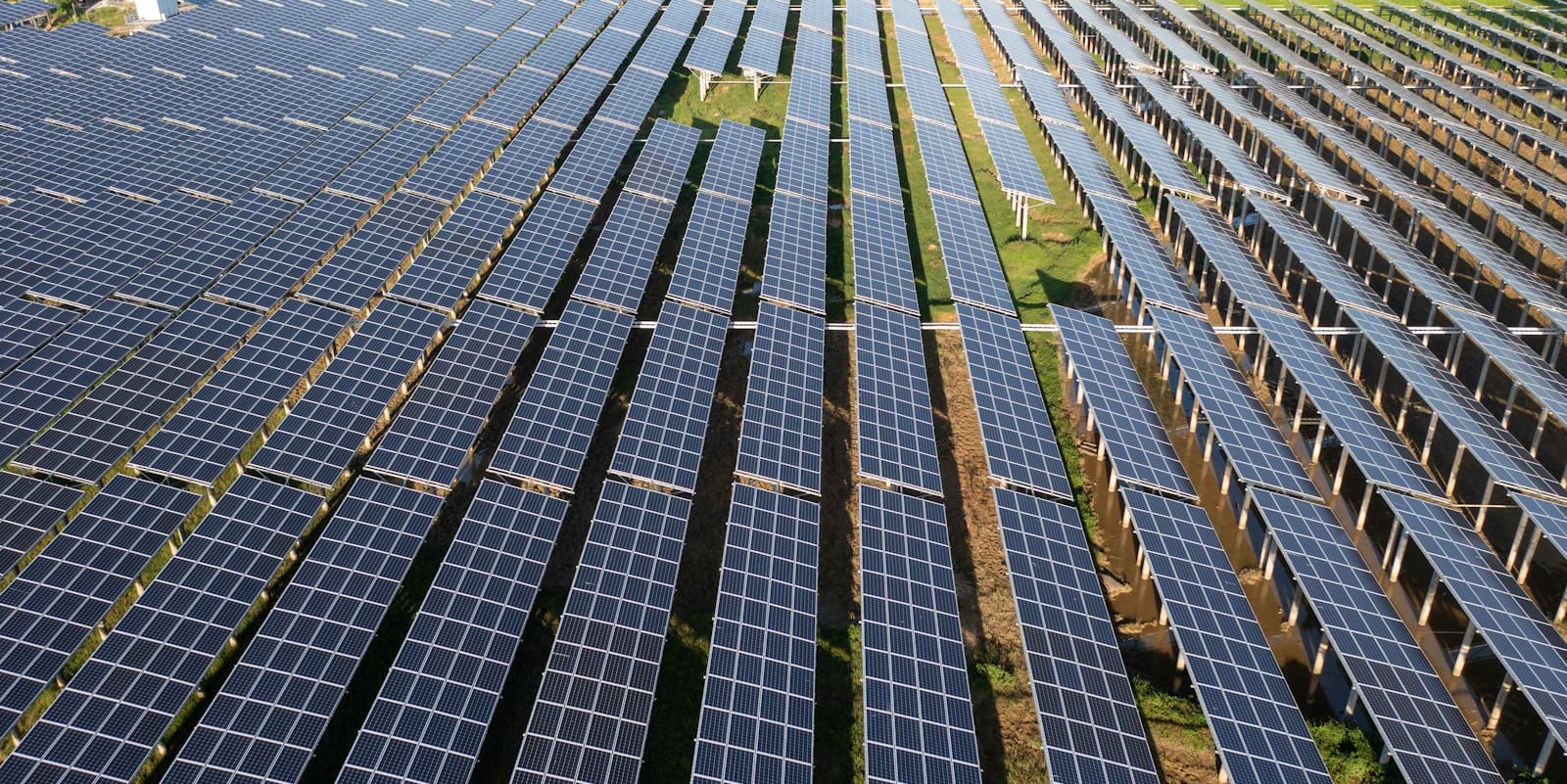
Southeast Asian Firms Race to Raise Green Debt as Region Falls Behind on Renewables
Priyanka V. Rao · 3 min

Singapore Captures Two-Thirds of Southeast Asian EV Startup Capital
Priyanka V. Rao · 3 min
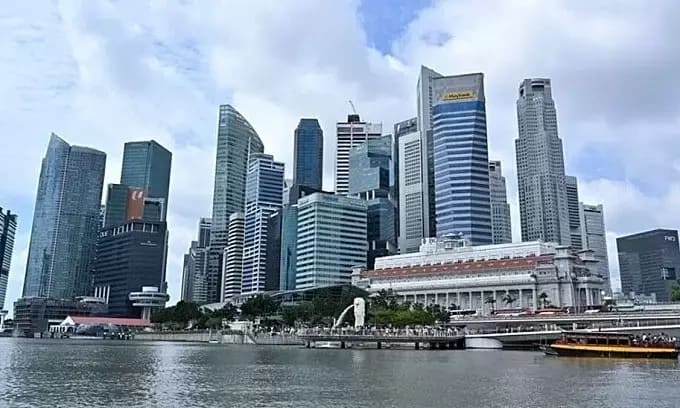
Vietnam Draws $7.5 Billion From Singapore in Seven Months
Priyanka V. Rao · 3 min
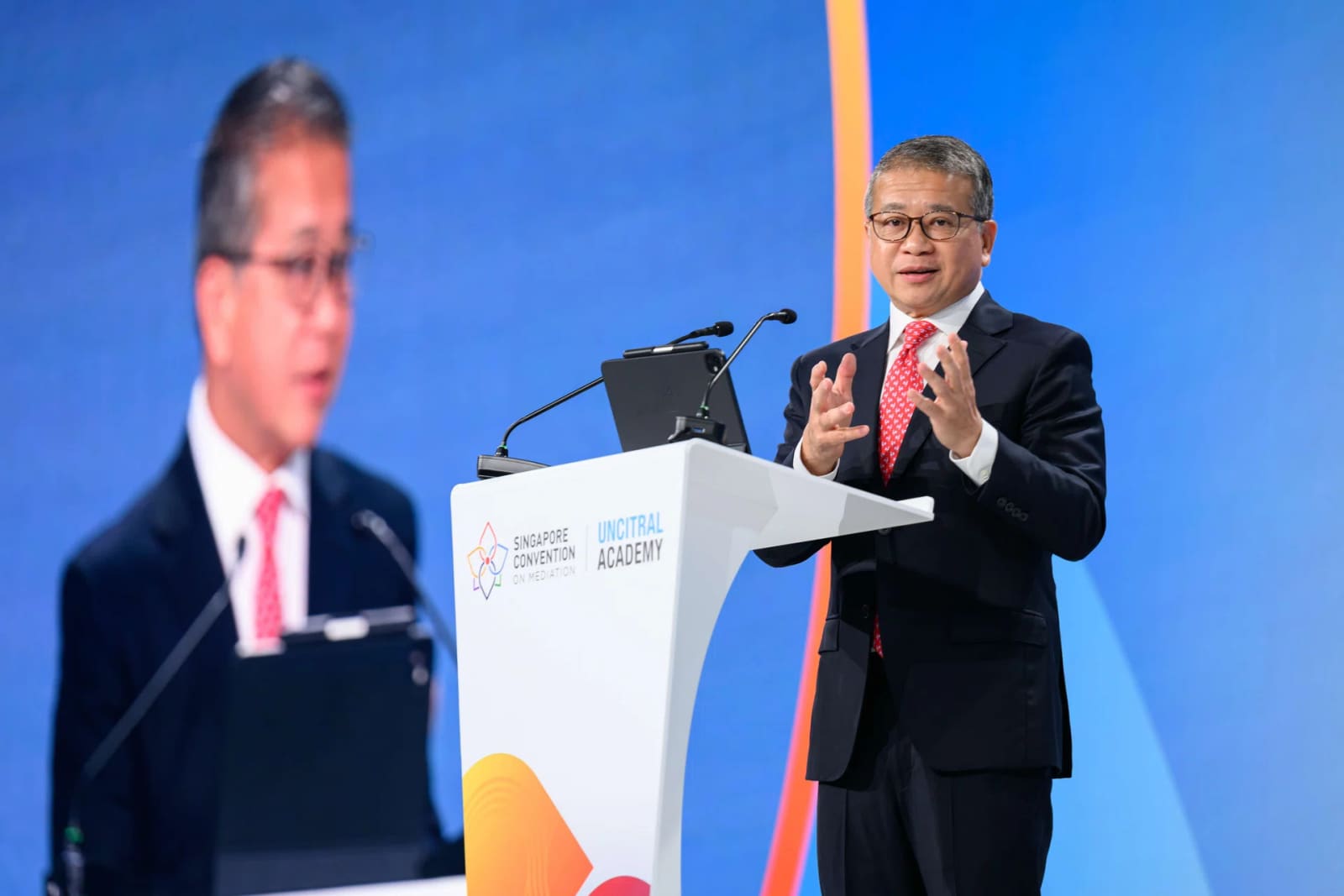
Singapore Eyes Global Investment Court as UN Talks Near Final Stage
Priyanka V. Rao · 3 min
Spot something wrong? Email editor@briefasia.com. We log every correction publicly.