Asia · Trade
Singapore's Export Outlook Holds Steady Despite New US Labour Tariffs
Chip and electronics carve-outs limit damage from Washington's 12.5% levy, though policy uncertainty lingers
KEY TAKEAWAYS
- ·The United States activated a 12.5 percent tariff on Singapore exports July 24, but exemptions for semiconductors and electronics shield about two-thirds of shipments.
- ·Economists forecast Singapore will sustain 4.3 to 4.8 percent growth in 2026, supported by AI-driven chip demand and rising orders from China.
- ·A pending US investigation into excess manufacturing capacity and broader policy uncertainty pose larger risks than the forced-labour levy itself.
Tariff Lands, But Key Sectors Walk Free
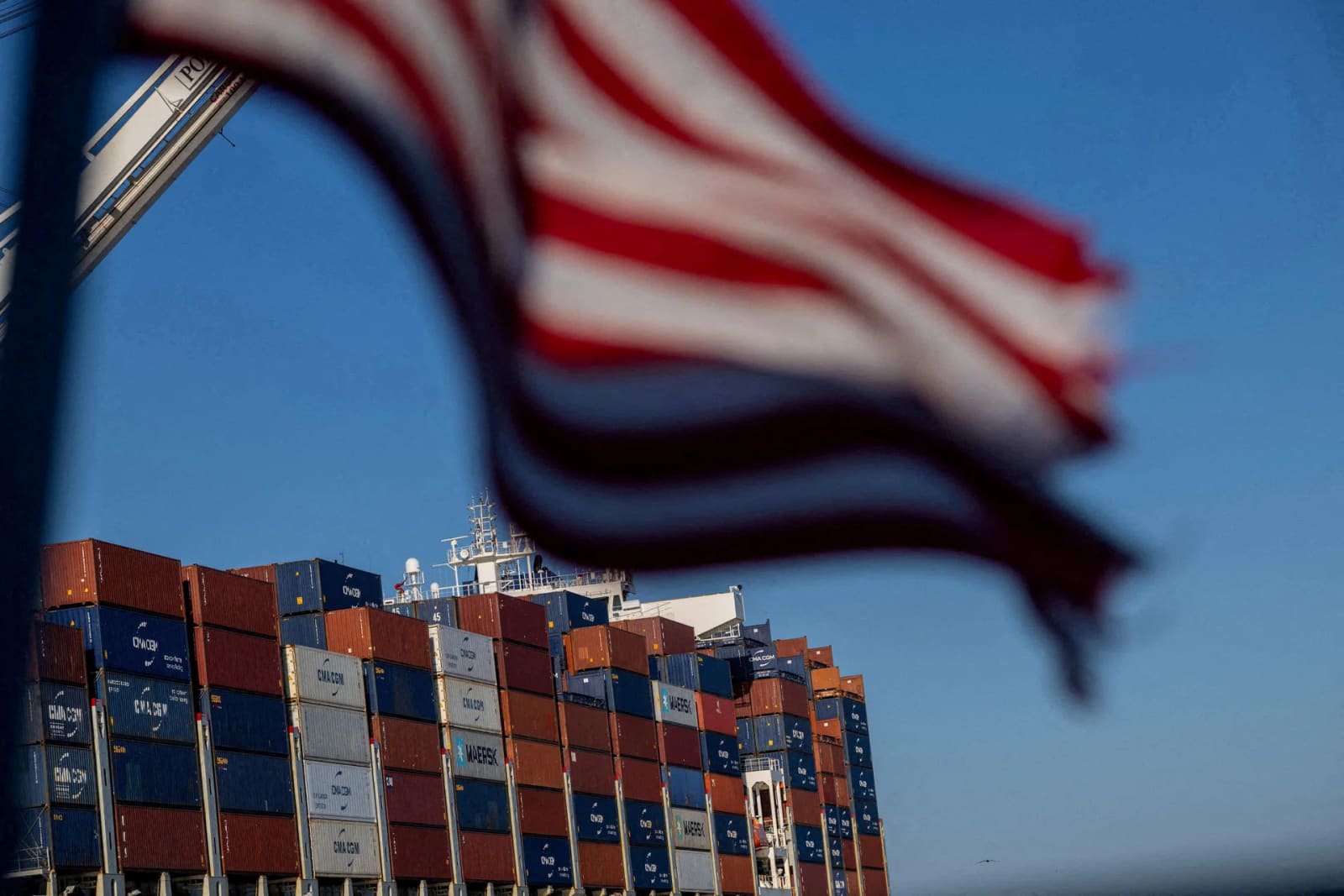
Washington activated a 12.5 percent tariff on goods entering from Singapore on July 24, part of a sweeping Section 301 enforcement action across 60 trading partners that the Office of the United States Trade Representative says failed to block imports made with forced labour. Yet the levy excludes semiconductors, select electronics, aerospace goods, pharmaceuticals, energy products, and currency metals - categories that together shield roughly two-thirds of Singapore's outbound shipments to American buyers, according to Ministry of Trade and Industry figures.
The net increase in effective duty is smaller than the headline rate suggests. A temporary Section 122 levy expired the same day, trimming the practical jump to 2.5 percentage points for goods that do fall under the new measure. Analysts say that arithmetic, combined with the carve-outs, should prevent serious disruption to the city-state's export engine.
Maybank economist Brian Lee characterised the move as modest in scale. He noted that only about one-third of domestic exports face the new charge, pushing the real bite well below the nominal figure. His team holds a 4.8 percent growth projection for Singapore in 2026, with second-half expansion slowing to 3.7 percent year-on-year and quarterly momentum easing to 0.5 percent from 1.2 percent in the first six months.
Lee added that an upgrade to the government's official forecast band - currently 2 to 4 percent - remains plausible when the ministry publishes its next assessment in August, potentially lifting the upper bound to 5 percent.
Semiconductor Shield Anchors Confidence
DBS senior economist Chua Han Teng highlighted that electronics and chip shipments have been the standout performers in regional trade this year, powered by data-centre buildouts and artificial intelligence infrastructure spending. Keeping those categories outside the tariff perimeter means that momentum can roll forward without interruption in the coming months.
Non-electronics goods heading to the United States have already lagged, Chua said, and the new levy will add another layer of friction. Still, he expects Singapore's overall gross domestic product to stay resilient, even as high base effects from 2025 temper the pace of gains.
OCBC chief economist Selena Ling agreed that near-term fallout should be contained but warned that unpredictability in US trade policy poses a larger threat than the tariff itself. A separate USTR investigation into excess manufacturing capacity remains open, and any findings there could trigger additional duties or restrictions. That cloud, along with the approach of US midterm elections and continued conflict in the Middle East, may prompt some firms to delay investment decisions or expansion plans.
Ling kept her 2026 growth estimate at 4.3 percent, noting that the AI-led boom remains the dominant force behind Singapore's performance. A sharp correction in that sector - whether from fresh tariffs or a broader market reset - would carry more downside risk than the forced-labour levy, she said.
China Demand Offers Counterweight
Lee pointed to rising orders from China as a stabilising factor. Demand for specialised machinery and technology components has climbed as Chinese manufacturers ramp up domestic capital spending, a trend that should support Singapore's non-oil domestic exports even if US volumes soften in categories hit by the tariff.
That diversification has become more valuable as Washington widens its use of trade tools tied to labour standards, national security, and industrial policy. Singapore now faces scrutiny on multiple fronts: the forced-labour action concluded this week, and the excess-capacity review still pending.
The Ministry of Trade and Industry said it will continue discussions with the USTR to explore options and will share implementation details as they become available. The ministry restated Singapore's opposition to forced labour and pointed to a comprehensive domestic enforcement framework, while noting that any trade restriction must be weighed in consultation with the Economic Resilience Taskforce and the business community.
Business Groups Seek Roadmap
Singapore Business Federation chairman Mark Lee acknowledged the importance of tackling forced-labour risks in supply chains and said companies are ready to contribute. He stressed that any new regulatory requirements should be developed in close coordination with industry, given the potential effects on operations, compliance costs, and Singapore's role as a transhipment hub.
The federation advised companies to first confirm whether their products fall within the tariff scope or qualify for an exclusion, then review classifications, engage US customers early, and assess pricing and contract implications.
A spokesperson for the Singapore International Chamber of Commerce said it was premature to gauge the full impact and that the chamber would gather member feedback across sectors. The spokesperson emphasised that businesses value certainty and open markets, and expressed hope that Singapore and the United States will pursue constructive dialogue.
What Comes Next
The immediate hit to Singapore's trade flows appears manageable, but the trajectory depends on how Washington handles the excess-capacity investigation and whether semiconductor and electronics exemptions remain in place. Any shift in those exclusions would rewrite the calculus for exporters and could dampen the growth outlook more sharply.
For now, Singapore's export profile - anchored by high-value chips and advanced electronics - aligns well with the carve-outs Washington has granted. That alignment, together with robust demand from China and other Asian markets, should keep the city-state's trade account in positive territory through the second half of 2026, even as policy uncertainty in the United States adds volatility to the broader picture.
RELATED STORIES
Singapore Economists Lift 2026 Growth Outlook to 5% as Chip Exports Surge
Priyanka V. Rao · 3 min
Vietnam Draws $7.5 Billion From Singapore in Seven Months
Priyanka V. Rao · 3 min
Singapore Eyes Global Investment Court as UN Talks Near Final Stage
Priyanka V. Rao · 3 min
Singapore Inflation Climbs on Power Tariffs, Stays Below Forecasts
Lim Hui Ying · 5 min
Spot something wrong? Email editor@briefasia.com. We log every correction publicly.