Asia · Trade
Singapore Export Growth Cools to 20.7% as Electronics Boom Offsets Non-Electronics Slide
AI-fueled semiconductor demand drove triple-digit electronics gains in June, but gold and petrochemicals dragged overall shipment growth below forecasts
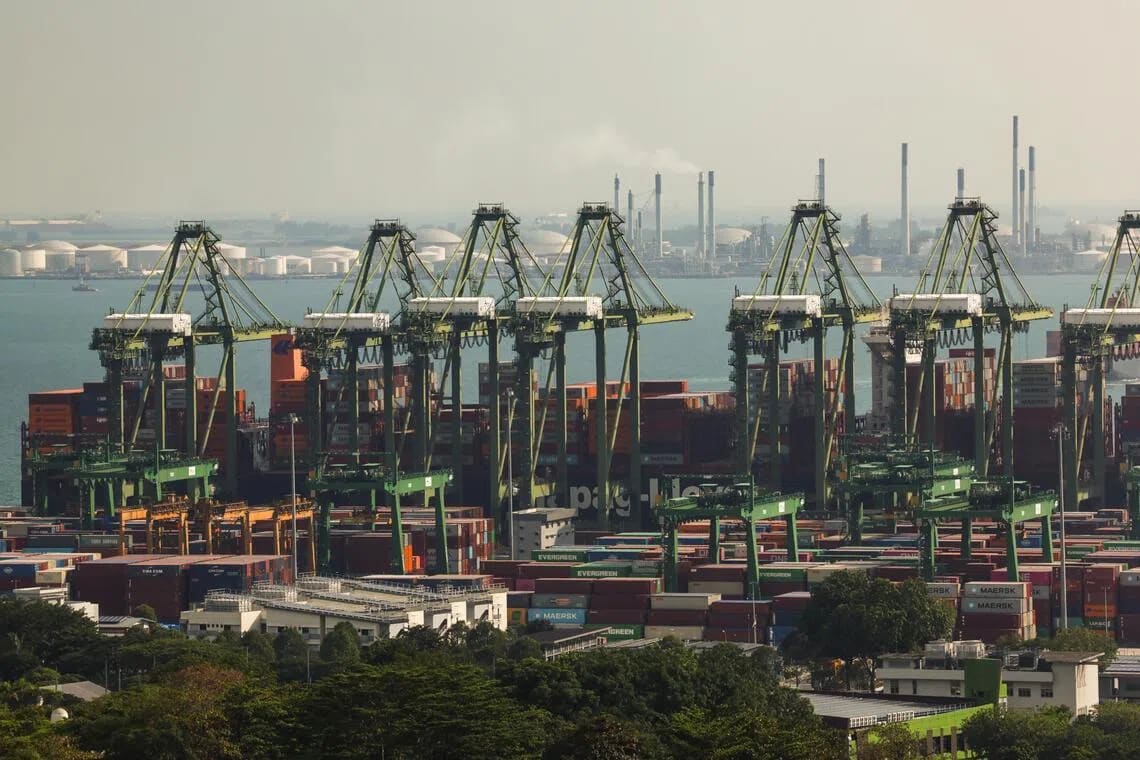
KEY TAKEAWAYS
- ·Singapore's non-oil domestic exports grew 20.7 percent in June, down from 38.4 percent in May and below the 28.7 percent consensus forecast.
- ·Electronics shipments surged 105.1 percent driven by AI infrastructure demand, with disk media up 170.9 percent and integrated circuits rising 115.4 percent.
- ·Non-electronics exports fell 2.9 percent as non-monetary gold dropped 49 percent, food preparations declined 38.6 percent, and petrochemicals slid 27.9 percent.
Electronics Surge Masks Uneven Export Picture
Singapore's non-oil domestic exports expanded 20.7 percent year-on-year in June, a deceleration from May's 38.4 percent pace and below the consensus estimate of 28.7 percent growth. The headline number conceals a sharp divergence: electronics shipments posted triple-digit gains while non-electronics contracted, highlighting the concentrated nature of the city-state's current trade momentum.
Enterprise Singapore released the June trade figures on July 17, showing electronics shipments jumped 105.1 percent, outpacing May's already robust 94.8 percent increase. The acceleration reflects sustained global investment in artificial intelligence infrastructure, which continues to drive orders for chips, storage media and computing hardware from Singapore's manufacturing hubs.
Disk media products led the electronics segment with a 170.9 percent surge, followed by integrated circuits at 115.4 percent and personal computers at 95.8 percent. The gains underscore Singapore's position as a critical node in semiconductor supply chains serving hyperscale data centers and AI training clusters across North America and Asia.
Non-Electronics Reverse Course
Non-electronics exports reversed direction in June, contracting 2.9 percent after posting 17.7 percent growth the previous month. The pullback was driven by three major categories: non-monetary gold shipments plunged 49 percent, food preparations fell 38.6 percent, and petrochemicals declined 27.9 percent.
The swing in gold exports is particularly notable given the commodity's volatility and its role as a financial hedge during periods of geopolitical uncertainty. The sharp drop suggests a normalisation after elevated shipments in earlier months, though it also weighs on headline export figures given gold's contribution to non-electronics totals.
Petrochemical weakness reflects softer demand from regional industrial buyers, a reminder that manufacturing activity outside the technology sector remains uneven. The food preparation decline may point to inventory adjustments among trading partners or shifts in regional sourcing patterns.
Taiwan, US and South Korea Lead Market Gains
Exports to Singapore's top ten trading partners all registered increases in June, with Taiwan, the United States and South Korea posting the strongest gains. Shipments to Taiwan surged 123.3 percent, driven primarily by semiconductor equipment and intermediate inputs for the island's chip fabrication industry. Taiwan remains a linchpin in global semiconductor production, and its robust import demand signals continued capacity expansion.
Exports to the United States rose 36.7 percent, reflecting American corporate investment in data center infrastructure and cloud computing capacity. The US market has become a critical outlet for Singapore's electronics sector as AI model training and deployment scale up.
South Korea absorbed 62.9 percent more Singaporean exports, supported by the country's electronics manufacturing base and its role as a re-export hub for components destined for Chinese and Southeast Asian assembly plants.
Growth Outlook Hinges on Electronics Durability
The June data reinforces Singapore's dependence on electronics demand to sustain export growth. With the sector now contributing more than half of NODX expansion, any slowdown in AI-related capital expenditure or inventory corrections among chip buyers could quickly dampen the headline numbers.
Non-electronics weakness, meanwhile, suggests limited breadth in the current recovery. Pharmaceuticals, chemicals and precision engineering have yet to show the kind of momentum that characterised previous export cycles, leaving the city-state's trade performance vulnerable to shifts in technology spending.
Market watchers will be looking for signs that electronics growth can hold above the 100 percent mark in coming months, or whether base effects and normalising AI infrastructure buildouts begin to moderate the pace. Taiwan and US demand trends will be key indicators, given their outsized contribution to June's performance.
Singapore's export data continues to reflect the structural shift in global trade, where semiconductor and AI hardware flows increasingly dictate regional manufacturing rhythms, even as traditional trade categories struggle to regain pre-pandemic momentum.
RELATED STORIES
Singapore Economists Lift 2026 Growth Outlook to 5% as Chip Exports Surge
Priyanka V. Rao · 3 min
Vietnam Draws $7.5 Billion From Singapore in Seven Months
Priyanka V. Rao · 3 min
Singapore Inflation Climbs on Power Tariffs, Stays Below Forecasts
Lim Hui Ying · 5 min

Singapore Eyes Global Investment Court as UN Talks Near Final Stage
Priyanka V. Rao · 3 min
Spot something wrong? Email editor@briefasia.com. We log every correction publicly.