Finance · Markets
Singapore Exchange to Launch 100 MSCI Derivatives as SIA Engineering Reports Q1 Earnings Decline
SGX expands index licensing deal while aircraft maintenance unit sees profit slip 6.1% despite operational revenue growth
KEY TAKEAWAYS
- ·Singapore Exchange will introduce up to 100 new MSCI-linked futures and options contracts, starting with 40 products covering developed and emerging markets.
- ·SIA Engineering reported S$40.3 million net profit for Q1, down 6.1 percent year on year, but operational revenue excluding materials rose 4.2 percent.
- ·The derivatives expansion positions SGX to compete for institutional flows as demand for Asia exposure tools remains strong across regional and global portfolios.
Exchange Doubles Down on Derivatives
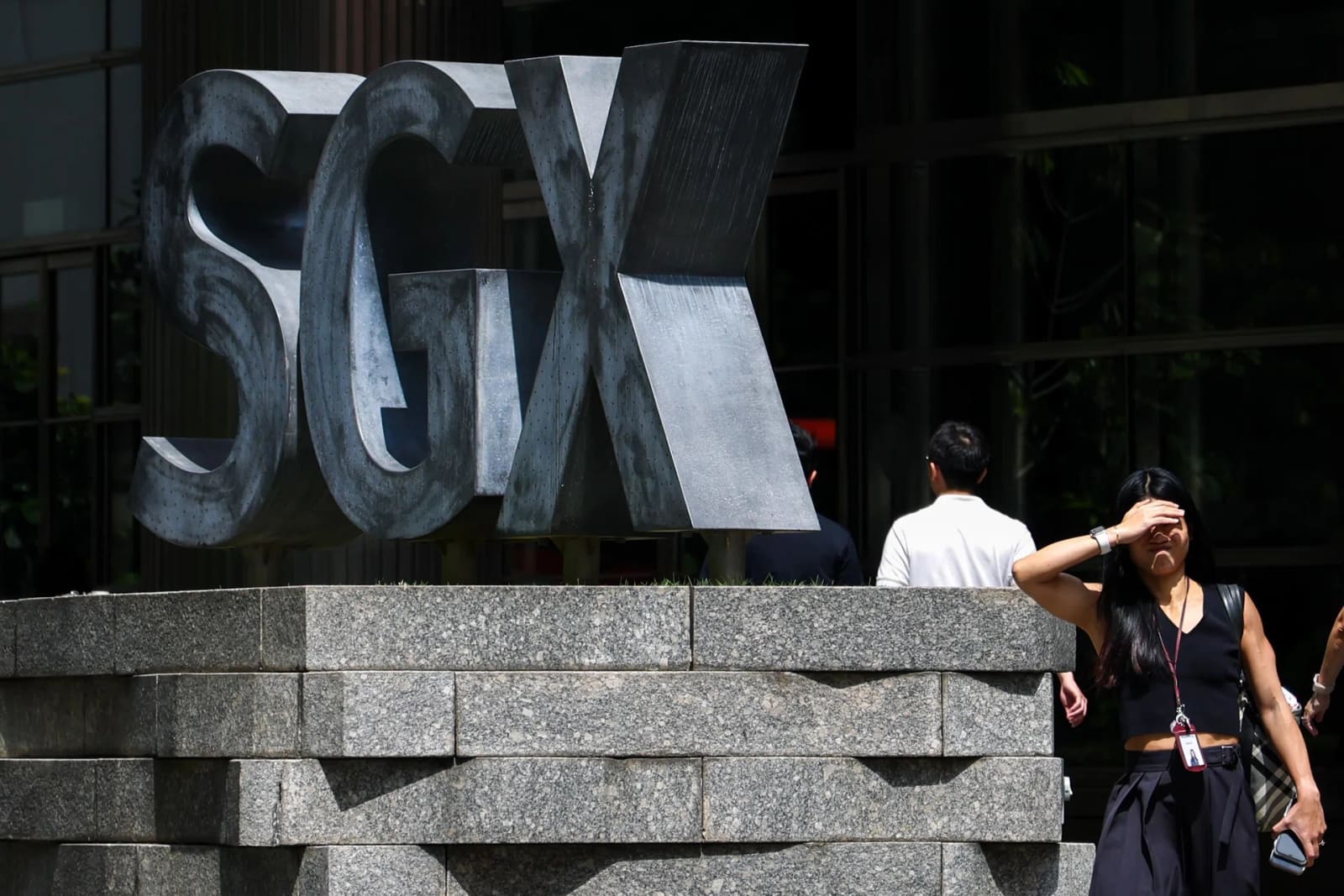
Singapore Exchange announced plans to introduce up to 100 new derivatives products linked to MSCI indices under an expanded licensing arrangement with the global index provider. The move represents a significant expansion of the bourse operator's derivatives offering as it seeks to cement its role as a regional trading hub for institutional investors.
The rollout will begin with approximately 40 futures and options contracts spanning major developed and emerging markets. SGX did not specify which markets the initial phase would cover, but the broader agreement positions the exchange to capture trading flows across Asian and global equity indices.
The announcement came after Thursday's market close, when SGX shares finished at S$23.70, up 0.7 percent for the session. The exchange has been working to diversify its revenue streams beyond traditional equity trading, where volumes have faced pressure from electronic platforms and regulatory shifts across the region.
Derivatives have become an increasingly important pillar for Asian exchanges as institutional investors seek efficient hedging and exposure tools. Singapore's position as a financial center and its regulatory framework have made it a natural venue for cross-border index products, particularly those tied to markets with capital controls or limited offshore access.
Aircraft Maintenance Revenue Mix Shifts
SIA Engineering reported net profit of S$40.3 million for the quarter ended June 30, a 6.1 percent decline from the same period last year. The aircraft maintenance provider attributed the drop to changes in its revenue composition rather than operational weakness.
Total revenue for the quarter came in at S$327.6 million, down 8.6 percent year on year, according to the company. The decline was driven entirely by lower materials revenue, which carries a correspondingly lower margin due to the direct cost of those materials passing through the income statement.
Stripping out the materials component reveals a different picture. Revenue from maintenance services and other operational activities rose 4.2 percent compared to the prior-year quarter, suggesting the underlying business continued to expand even as the headline figure contracted.
The distinction matters for investors assessing the health of the aviation services sector. Materials revenue fluctuates with the timing and scope of specific maintenance projects, while service revenue reflects the steadier demand for routine checks, modifications, and technical work across airline fleets.
SIA Engineering shares closed at S$3.27 on Thursday, down 0.6 percent, before the results were released. The company operates as a joint venture partner and service provider for airlines across the Asia-Pacific region, with exposure to both full-service carriers and low-cost operators.
Asia's Aviation Recovery Trajectory
The mixed performance at SIA Engineering reflects broader dynamics in the region's aviation sector. Passenger traffic has largely recovered to pre-pandemic levels across most Asian markets, but airlines continue to manage capacity carefully amid fluctuating fuel costs and labor availability.
Maintenance providers have seen workloads rise as aircraft return to service and deferred checks come due, but the revenue mix varies significantly depending on whether projects involve major overhauls requiring substantial parts or lighter scheduled maintenance. The materials component of any given quarter can swing sharply based on the project pipeline.
For Singapore Exchange, the derivatives expansion arrives at a moment when institutional demand for Asia exposure tools remains robust. Foreign investors continue to seek liquid instruments for hedging China, India, and Southeast Asian equity positions, while regional asset managers need efficient ways to implement tactical allocation shifts.
The MSCI licensing deal gives SGX access to some of the most widely tracked benchmarks in global finance. MSCI indices underpin trillions of dollars in passive and active investment strategies, and derivatives tied to those benchmarks allow portfolio managers to adjust exposure without buying or selling the underlying securities.
Whether the new contracts gain traction will depend on liquidity and pricing competitiveness. SGX will face competition from established venues in Hong Kong, Chicago, and elsewhere that already offer MSCI-linked products. The exchange's advantage lies in its time zone, regulatory environment, and relationships with regional brokers and asset managers.
Both announcements underscore the divergent paths Singapore's listed companies are navigating. One is expanding its product suite to capture a larger share of regional capital flows; the other is managing the cyclical swings of a capital-intensive service business tied to airline operations. For investors watching the city-state's equity market, the contrast illustrates the breadth of exposure available within a relatively concentrated index.
RELATED STORIES
Singapore Brokerages Raise STI Targets on Earnings Strength
Jun-ho Seo · 3 min

Shein Drops 4% in Hong Kong Debut as Tariff Pressure Weighs on Valuation
Priyanka V. Rao · 4 min

Singapore and Thailand Exchanges Push for Tech IPOs Amid AI Surge
Priyanka V. Rao · 3 min
Temasek Defends SIA's Air India Stake as Loss-Making Carrier Seeks $1.5 Billion
Priyanka V. Rao · 3 min
Spot something wrong? Email editor@briefasia.com. We log every correction publicly.