Finance · Deals
Singapore and Thailand Exchanges Push for Tech IPOs Amid AI Surge
Southeast Asian bourses launch initiatives to attract technology listings as regional IPO activity lags global peers

KEY TAKEAWAYS
- ·Stock Exchange of Thailand had one IPO raising USD 10.4 million in H1 2026, while Singapore Exchange recorded five flotations totaling USD 1.05 billion, both weak against 247 regional IPOs raising USD 47 billion.
- ·Both markets are perceived as heavily weighted toward traditional finance and real estate sectors, lacking the critical mass of technology companies needed to attract growth capital during the AI investment cycle.
- ·Exchange operators are developing initiatives including streamlined approvals and modified profitability requirements to reposition their markets and capture AI-related listings over the next 18 months.
Weak IPO Performance Drives New Strategy
Stock exchanges in Singapore and Thailand are launching targeted initiatives to attract technology listings, seeking to capitalize on the artificial intelligence boom as both markets struggle with anemic IPO activity in the first half of 2026.
The Stock Exchange of Thailand recorded just one initial public offering during the January to June period, raising USD 10.4 million, according to EY. The Singapore Exchange fared better with five share flotations that collectively raised USD 1.05 billion, though both figures pale against regional benchmarks.
Across the broader Asia Pacific region, 247 IPOs raised USD 47 billion over the same timeframe, underscoring the gap between Southeast Asia's two established financial centers and more active markets in the region.
Traditional Industry Dominance Creates Gap
Investor perception presents a structural challenge for both exchanges. Market participants view Singapore and Thailand as heavily weighted toward legacy sectors including finance and real estate, with neither market having developed a critical mass of technology companies that would attract growth-focused capital.
The composition problem is particularly acute as artificial intelligence investment reshapes capital allocation priorities globally. Tech-focused exchanges in Shenzhen, Seoul, and Tokyo have benefited from concentrated clusters of semiconductor manufacturers, software developers, and AI infrastructure providers that create ecosystem effects for new listings.
Singapore's market capitalization remains dominated by banks, real estate investment trusts, and commodity traders, while Thailand's bourse reflects the domestic economy's concentration in banking, energy, and consumer conglomerates. This sectoral mix has historically delivered stable dividends but limited exposure to high-growth technology narratives that command premium valuations in 2026.
Exchange Operators Respond to AI Opportunity
Both exchange operators recognize that the current AI investment cycle creates a narrow window to reposition their markets. Technology companies require substantial capital for infrastructure buildout, model training, and geographic expansion, creating natural demand for public equity financing that exchanges can capture with appropriate incentives.
The initiatives under development aim to address specific friction points that have deterred technology listings in the past. These include streamlined regulatory approval processes for companies with unconventional governance structures, modified profitability requirements that accommodate high-growth pre-profit businesses, and enhanced market-making commitments to ensure liquidity for newly listed shares.
Singapore's exchange has particular advantages in this competition, given the city-state's position as a regional wealth management hub and its existing infrastructure for cross-border capital flows. The challenge lies in convincing technology founders that Singapore can provide research coverage, institutional investor access, and valuation multiples comparable to alternatives in Hong Kong, Seoul, or Nasdaq.
Thailand faces a steeper climb, with a smaller institutional investor base and less developed venture capital ecosystem. However, the exchange can leverage the kingdom's growing position as a data center destination and manufacturing alternative to China, potentially attracting listings from companies building physical AI infrastructure across Southeast Asia.
Regional Context and Competitive Pressure
The push for technology listings occurs against intensifying competition among Asian exchanges. Hong Kong has explicitly targeted semiconductor and AI companies with revised listing rules, while South Korea's KOSDAQ has become the preferred venue for hardware and component suppliers serving the AI supply chain.
Japan's exchanges have benefited from the return of foreign investment into Tokyo-listed chip equipment makers and robotics firms, while India's bourses have captured a wave of software and digital services IPOs that might previously have listed in Singapore.
For Singapore and Thailand, the strategic imperative extends beyond simple deal count. Attracting a core group of technology listings would begin to shift market composition, potentially creating the ecosystem effects that make subsequent listings more attractive as sector-focused investors develop coverage and position in the market.
The next 18 months will test whether exchange initiatives can overcome structural disadvantages in time to capture meaningful share of AI-related IPO activity, or whether Southeast Asia's traditional financial centers will remain on the sidelines of the technology capital cycle.
RELATED STORIES
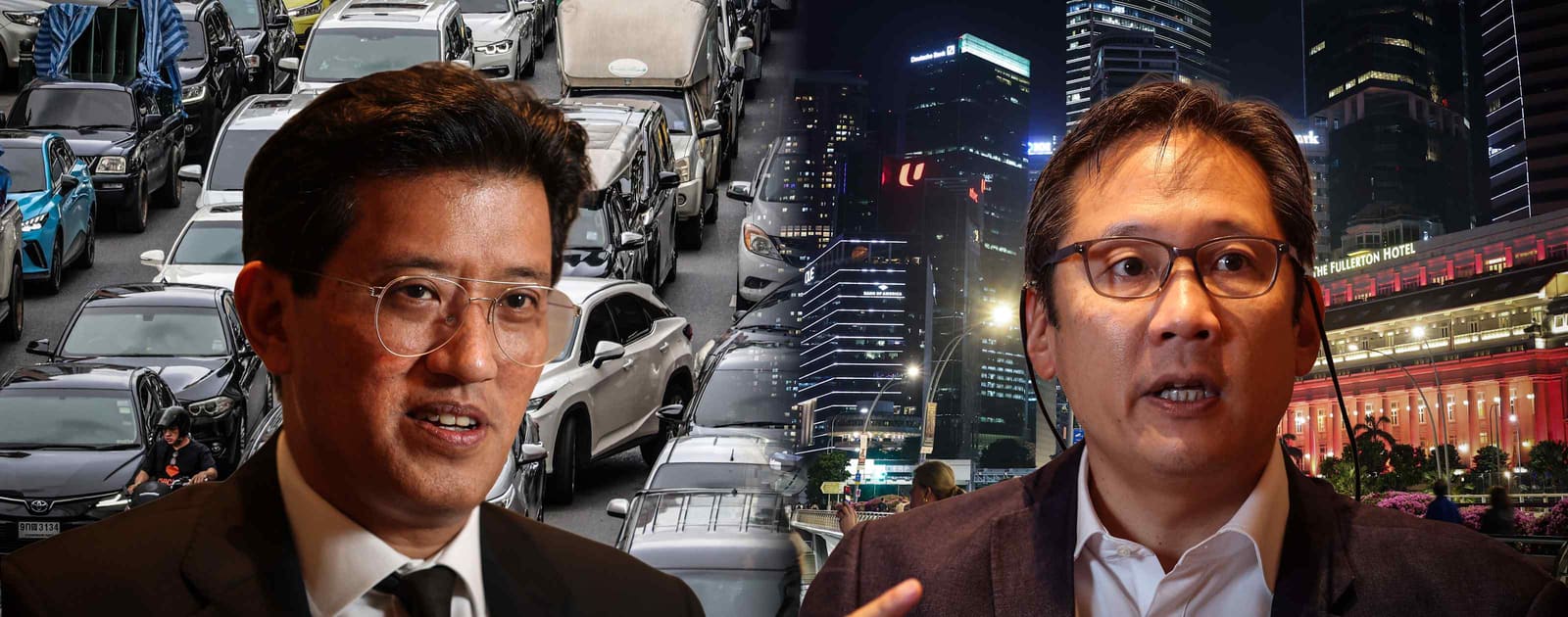
Southeast Asian Exchanges Chase Tech Listings in AI Era
Cheng Wei-Lun · 3 min
CIMB Commits to 55% Dividend Floor as Regional Portfolio Offsets Indonesia Pressure
Priyanka V. Rao · 4 min

Energy Infrastructure Deals Climb in Southeast Asia Amid AI Demand and Security Concerns
Cheng Wei-Lun · 4 min
Southeast Asian Firms Race to Raise Green Debt as Region Falls Behind on Renewables
Priyanka V. Rao · 3 min
Spot something wrong? Email editor@briefasia.com. We log every correction publicly.