Sustainability · Energy
Singapore Households Face Record Electricity Bills as Geopolitical Risks Drive Tariffs Up 17 Percent
With regulated rates hitting all-time highs, nearly two-thirds of consumers must now weigh the cost of certainty against the risk of waiting for prices to fall.
KEY TAKEAWAYS
- ·Singapore's regulated electricity tariff rose 17 percent for July-September to a record 34.78 cents per kWh including GST, adding roughly S$17 monthly to average household bills.
- ·Fixed-price retail contracts at 27.5 cents per kWh offer 21 percent savings versus the regulated rate, but lock households into terms that prevent benefiting from future tariff declines.
- ·Analysts expect tariffs to remain elevated through 2026, with a return to pre-conflict levels unlikely before 2027 if Middle East geopolitical conditions normalize.
The Tariff Surge
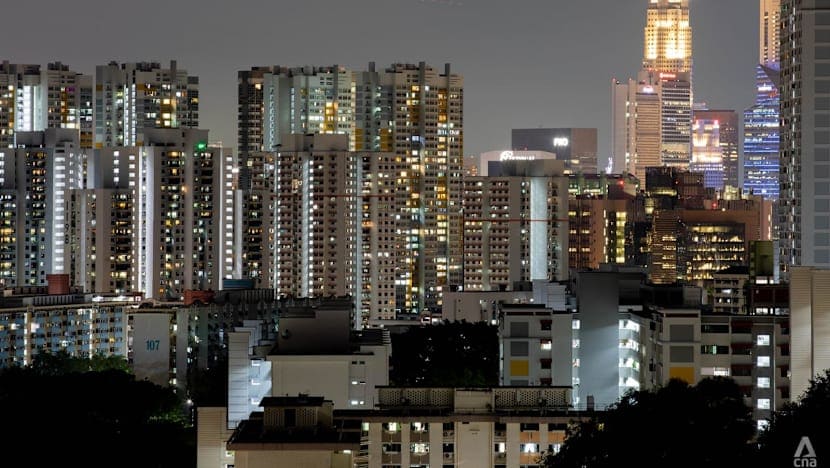
Singapore's electricity tariffs climbed 17 percent for the July-September quarter, adding approximately S$17 monthly to the average four-room HDB flat's bill. The regulated rate now stands at 34.78 cents per kilowatt-hour including GST, an all-time record driven by natural gas prices that have climbed sharply amid tensions in the Middle East.
The city-state generates roughly 95 percent of its electricity from imported natural gas, leaving household budgets exposed to global fuel market volatility. Grid operator SP Group adjusts the regulated tariff quarterly based on gas prices from the first 2.5 months of the preceding quarter, meaning April through mid-June fuel costs set the current July-September rate.
Manpower Minister Tan See Leng warned earlier this year that the third-quarter tariff would see "significantly sharper increases" due to the calculation methodology, and suggested households consider fixed-price contracts to hedge against further rises.
Market Response and Pricing Dynamics
Energy retailers report a sharp uptick in customer sign-ups. Geneco's CEO Lim Han Kwang noted daily registrations have quadrupled since mid-June, when the Energy Market Authority announced the impending tariff increase. PacificLight Energy observed steady growth in customer acquisition following the fuel price spike.
As of early July, 24-month fixed-price plans were available at 27.5 cents per kWh including GST, roughly 21 percent below the regulated tariff. These contracts lock in a rate for the duration of the term, insulating households from further increases but also preventing them from benefiting if tariffs decline.
Discount-off-tariff plans offer an alternative structure. Senoko Energy's plan provides a 1.64-cent discount per kWh off the SP tariff, while PacificLight introduced an 18 percent discount plan. These products move with the regulated rate, meaning bills rise and fall in tandem with quarterly adjustments.
According to the Energy Market Authority, 62.8 percent of households remained on SP Group's regulated tariff as of June 1, with 37.1 percent on fixed-price retail contracts.
Forward Pricing and Retailer Risk
Retail electricity pricing diverges from the regulated tariff structure. While the SP Group rate reflects historical gas costs from the previous quarter, retailers price fixed contracts based on forward energy futures, which embed market expectations of fuel costs over the contract period.
Lawrence Loh, director of the Centre for Governance and Sustainability at the National University of Singapore Business School, described retailers' aggregate risk exposure as "very significant." He characterized the premium households pay on fixed plans as insurance against price increases.
David Broadstock, a partner at energy consultancy Lantau Group, said current retail offers likely already incorporate expectations of geopolitical risk and fuel price trajectories. Retailers are pricing in buffers to protect against further fuel market deterioration, reducing the risk of market exit if conditions worsen.
Timing the Bottom
Energy analysts caution against attempting to time the market for optimal deals. Broadstock noted that during periods of major uncertainty, fuel markets can move far from expectations with little warning. Loh added that most households lack the information and analytical capacity to time markets better than institutional players.
The Energy Market Authority indicated Tuesday that improved conditions in the Middle East could lead to lower electricity tariffs in the fourth quarter. However, Sung Jinseok, a research fellow at the NUS Energy Studies Institute, expects any decline to be modest, citing peak third-quarter demand in many countries and ongoing Middle East uncertainties.
Sung projects a return to pre-conflict price levels is more plausible in 2027, contingent on normalization in the Gulf region. Loh described current tariffs as sitting at a "critical watershed," with outcomes heavily dependent on the evolving Middle East situation.
Household Decision Framework
The choice between plan types hinges on consumption patterns, budget flexibility, and risk tolerance. Fixed-price plans deliver budgeting certainty, particularly valuable for households with high energy consumption or tight budgets unable to absorb quarterly fluctuations.
Broadstock highlighted that fixed plans make economic sense when consumers believe tariffs are unlikely to fall sharply, a scenario he considers fairly probable given fuel prices have remained relatively stable at elevated levels.
Discount-off-tariff plans perform better when the regulated rate itself stabilizes, making it easier for consumers to forecast savings. However, the current environment of high volatility reduces the appeal of variable-rate structures.
Time-of-use plans, which charge different rates based on consumption timing, may suit households capable of shifting usage to off-peak hours, such as running appliances overnight.
Senoko Energy's James Chong emphasized that in an environment of continued volatility, the peace of mind from knowing monthly costs in advance can equal the value of immediate savings. Some retailers allow existing customers to renew contracts up to six months before expiry, enabling earlier lock-in at current rates.
Regional Energy Security
Singapore's vulnerability to fuel supply shocks underscores broader energy security challenges across import-dependent Asian economies. The city-state's heavy reliance on piped natural gas from Indonesia and Malaysia, supplemented by liquefied natural gas imports, leaves little room for diversification in the near term.
Loh advised households to base decisions on their specific circumstances rather than treating plan selection as speculation. For consumers prioritizing downside protection and concerned about regret if they lock in before prices fall, discount-off-tariff plans may better align with their preferences. Those seeking to mitigate upside risk and willing to forgo potential savings for stability should opt for fixed-price contracts.
The current tariff environment marks a stress test for Singapore's liberalized electricity market, with retailers and consumers both navigating unprecedented price levels and uncertain geopolitical trajectories.
RELATED STORIES
Singapore Inflation Climbs on Power Tariffs, Stays Below Forecasts
Lim Hui Ying · 5 min
Singapore Faces Energy Supply Crunch as Data Centres Expand
Priyanka V. Rao · 3 min
Vietnam Draws $7.5 Billion From Singapore in Seven Months
Priyanka V. Rao · 3 min
Southeast Asian Firms Race to Raise Green Debt as Region Falls Behind on Renewables
Priyanka V. Rao · 3 min
Spot something wrong? Email editor@briefasia.com. We log every correction publicly.