Asia · Business
Singapore Car Permit Prices Retreat After Record Highs
Certificate of Entitlement premiums ease in latest tender, but industry players expect sustained demand to keep prices elevated near peak levels
KEY TAKEAWAYS
- ·Singapore's Certificate of Entitlement premiums for passenger cars have eased from record highs set in the previous bidding round, with industry players calling the shift an expected market correction.
- ·Additional COE supply may enter the system in coming months based on vehicle deregistrations, though dealers say sustained consumer demand will likely prevent significant price drops.
- ·Automotive sector activity remains strong across segments, with new showroom openings and full order books suggesting buyers continue purchasing despite elevated permit costs near peak levels.
Market Correction After Peak Prices
Singapore's Certificate of Entitlement premiums for passenger vehicles have eased from the record highs set in the previous bidding round, a shift industry players are calling an expected market adjustment rather than the start of a downward trend.
Anthony Teo, managing director of automotive group Motorway, characterised the movement as a natural pullback. The premiums retreated following the first July tender, but remain close to their peaks as consumer appetite for vehicles continues at elevated levels across categories.
The correction follows a bidding round that saw multiple COE categories reach new highs, pushing the cost of the right to own a car in the city-state to levels that had prompted concerns about affordability among buyers. The tender system, which limits the number of vehicles on Singapore's roads through a quota mechanism, has seen heightened competition in recent months.
Supply Dynamics in Focus
While quieter bidding activity contributed to the recent dip, market participants note that additional COE supply may enter the system in coming months. The quota is determined by vehicle deregistrations and a controlled growth rate set by transport authorities, meaning supply can fluctuate based on the age profile of the existing fleet.
Despite the prospect of more permits becoming available, automotive dealers remain cautious about expectations for meaningful price relief. The interplay between supply additions and persistent demand suggests premiums will likely stabilise near current elevated levels rather than retreat significantly.
Industry data shows that demand for passenger cars has remained resilient even as prices climbed, supported by a combination of factors including pent-up replacement cycles, steady economic conditions, and continued interest in newer vehicle technologies.
Sustained Demand Pressures
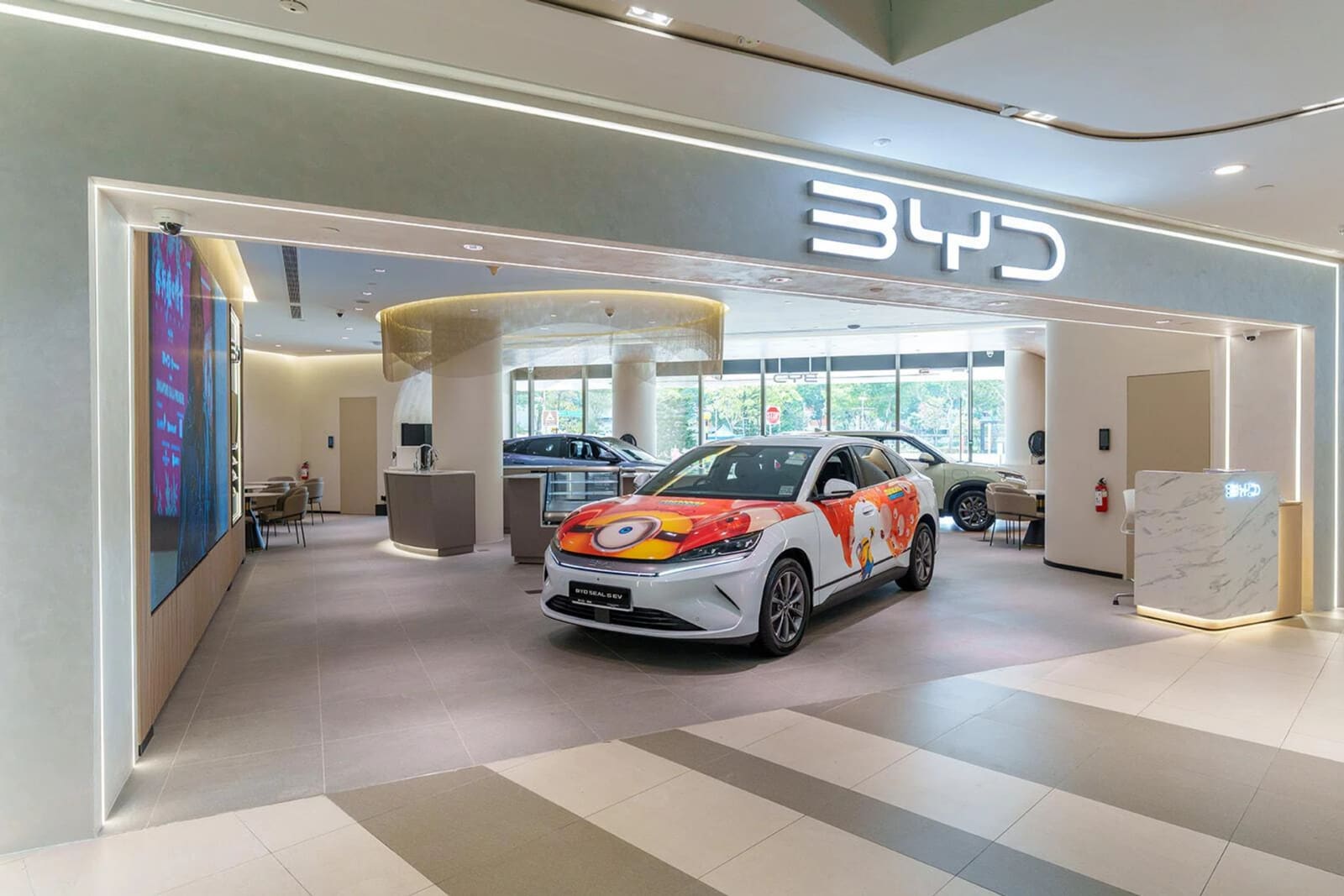
The automotive sector in Singapore has seen strong activity across both mass-market and premium segments, with dealers reporting consistent showroom traffic and order books that remain full. BYD, the Chinese electric vehicle manufacturer, opened a new showroom at Tampines One this week, a sign of continued investment in the market despite the high entry costs for buyers.
Ng Khee Siong, managing director of Inchcape Singapore, the parent company of Borneo Motors, recently resigned from his position, though the move has not been linked to market conditions. Inchcape represents several major automotive brands in the city-state.
The COE system, unique to Singapore, has long been a tool for managing vehicle population growth in the land-constrained nation. Premiums fluctuate based on bidding competition, and recent quarters have seen upward pressure as supply constraints met steady demand.
Outlook Remains Tight
Market watchers expect the current environment to persist in the near term, with premiums unlikely to see the kind of sharp declines that would materially change affordability dynamics for most buyers. The combination of controlled quota releases and sustained consumer interest suggests the market has settled into a new equilibrium at higher price levels.
For buyers, the modest correction may offer a narrow window of opportunity, though dealers caution that any relief is likely to be temporary if demand patterns hold. The next several tender rounds will test whether the pullback represents a genuine easing or simply a pause before prices resume their climb.
RELATED STORIES
Vietnam Draws $7.5 Billion From Singapore in Seven Months
Priyanka V. Rao · 3 min
Singapore Eyes Global Investment Court as UN Talks Near Final Stage
Priyanka V. Rao · 3 min
Singapore Inflation Climbs on Power Tariffs, Stays Below Forecasts
Lim Hui Ying · 5 min
Singapore Economists Lift 2026 Growth Outlook to 5% as Chip Exports Surge
Priyanka V. Rao · 3 min
Spot something wrong? Email editor@briefasia.com. We log every correction publicly.