Finance · Banking
Singapore's Major Banks Post Profit Gains Despite Rate Fog
UOB and OCBC report double-digit second-quarter increases as regional trade flows offset uncertainty from U.S.-Iran conflict

KEY TAKEAWAYS
- ·United Overseas Bank posted a 10 percent profit increase and OCBC a 22 percent gain for the April-June quarter.
- ·Strong trade finance volumes and Greater China connectivity are offsetting uncertainty from the U.S.-Iran conflict and unclear rate direction.
- ·Wealth management and supply-chain shifts into ASEAN markets are supporting fee income and loan growth for Singapore lenders.
Strong Quarter Amid Geopolitical Haze
Singapore's three largest banks closed the second quarter with profit gains that defied the uncertainty hanging over global markets. United Overseas Bank recorded a 10 percent rise in net income for the April-June period, while Oversea-Chinese Banking Corporation posted a 22 percent jump, according to earnings released in early August.
The results arrive at a moment when the trajectory of interest rates remains unclear. The ongoing U.S.-Iran conflict has left inflation expectations unsettled, making it harder for central banks to telegraph their next moves. For lenders across Asia, that ambiguity typically translates into volatility in net interest margins and weaker loan demand as corporates delay capital decisions.
Yet Singapore's banks have managed to sidestep much of that caution. Their performance reflects the city-state's position as a financial hub for Southeast Asia and Greater China, where cross-border capital and trade continue to flow even when headline risk is elevated.
Regional Connectivity Drives Momentum
United Overseas Bank's management pointed to structural tailwinds during its earnings briefing. The bank is seeing robust trade finance volumes and investment flows tied to supply-chain reconfiguration, as multinational companies shift production footprints into ASEAN markets. Greater China connectivity remains another pillar, with Hong Kong and mainland clients routing deals through Singapore.
That dynamic has kept loan books growing and fee income stable, offsetting the margin pressure that comes when rate cuts loom. Wealth management operations have also contributed, particularly as high-net-worth individuals in the region seek diversification away from concentrated exposures in property or domestic equities.
OCBC's steeper profit increase suggests it has captured an outsized share of that wealth migration. The bank has invested heavily in digital private-banking tools and expanded its coverage of family offices, a segment that has mushroomed in Singapore over the past three years.
What Lies Ahead
The banks' own forward guidance will be closely watched. If the U.S. Federal Reserve and other major central banks begin easing in the second half of the year, net interest income could compress more quickly than loan growth can compensate. On the other hand, a prolonged period of elevated rates would support margins but risk cooling credit demand and increasing provisions for weaker borrowers.
Trade finance, a traditional strength for Singapore lenders, may also face headwinds if geopolitical tensions disrupt shipping lanes or prompt governments to impose new export controls. The technology sector, a significant driver of corporate banking revenue in the region, remains sensitive to both U.S.-China friction and shifts in semiconductor demand.
Still, the diversification of revenue streams and the banks' entrenched role in regional capital markets offer a degree of insulation. As long as ASEAN economies continue to attract foreign direct investment and trade corridors stay open, Singapore's financial sector is positioned to absorb volatility better than peers in markets with narrower economic bases.
For now, the second-quarter numbers underscore a resilient franchise. The test will be whether that resilience holds if rate uncertainty turns into outright economic deceleration.
RELATED STORIES
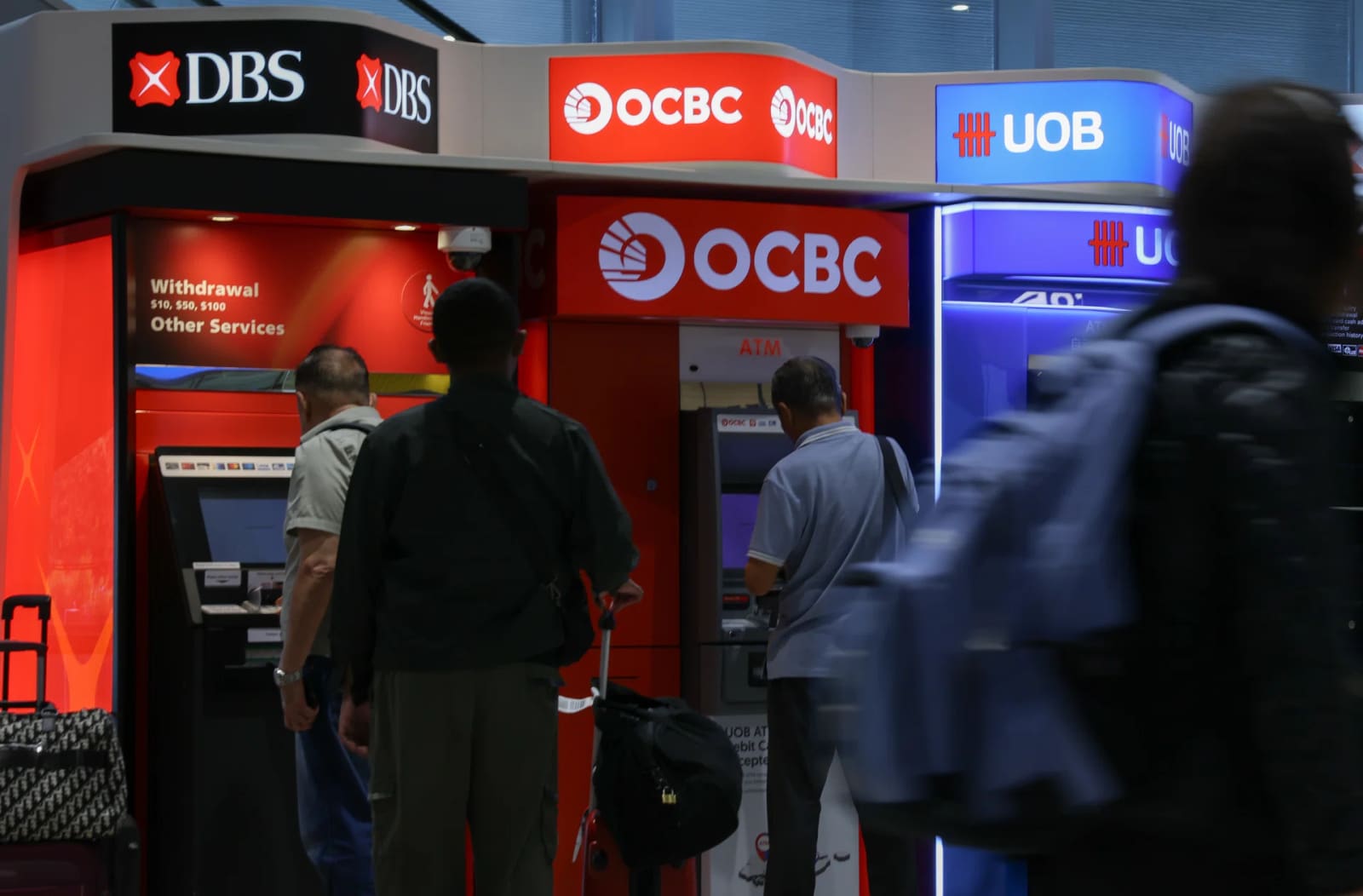
Singapore's Three Banks Show Uneven Momentum in Mid-Year Earnings
Priyanka V. Rao · 4 min
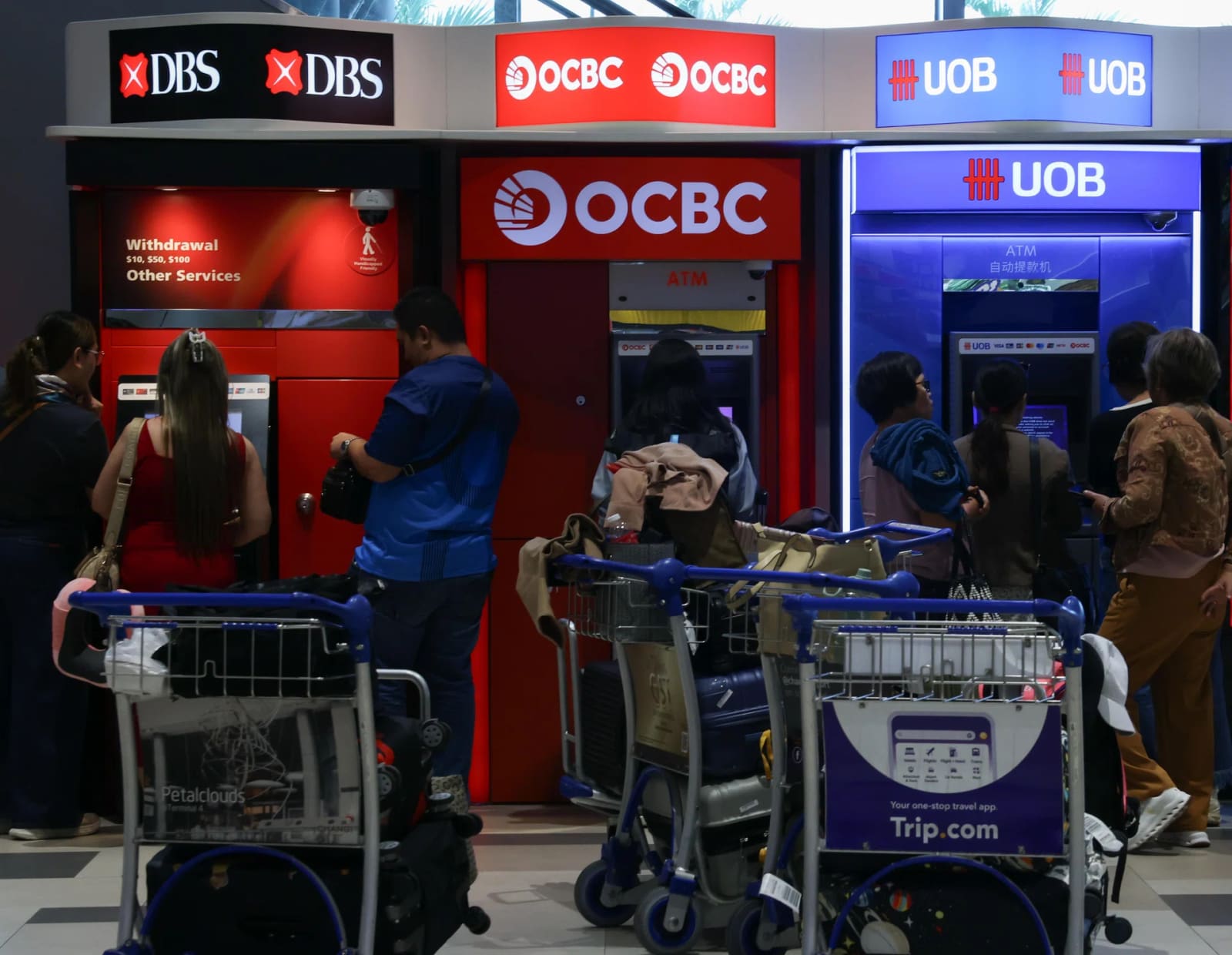
Singapore's Big Three Banks Post Solid First-Half Gains as Wealth Offsets Margin Pressure
Priyanka V. Rao · 3 min
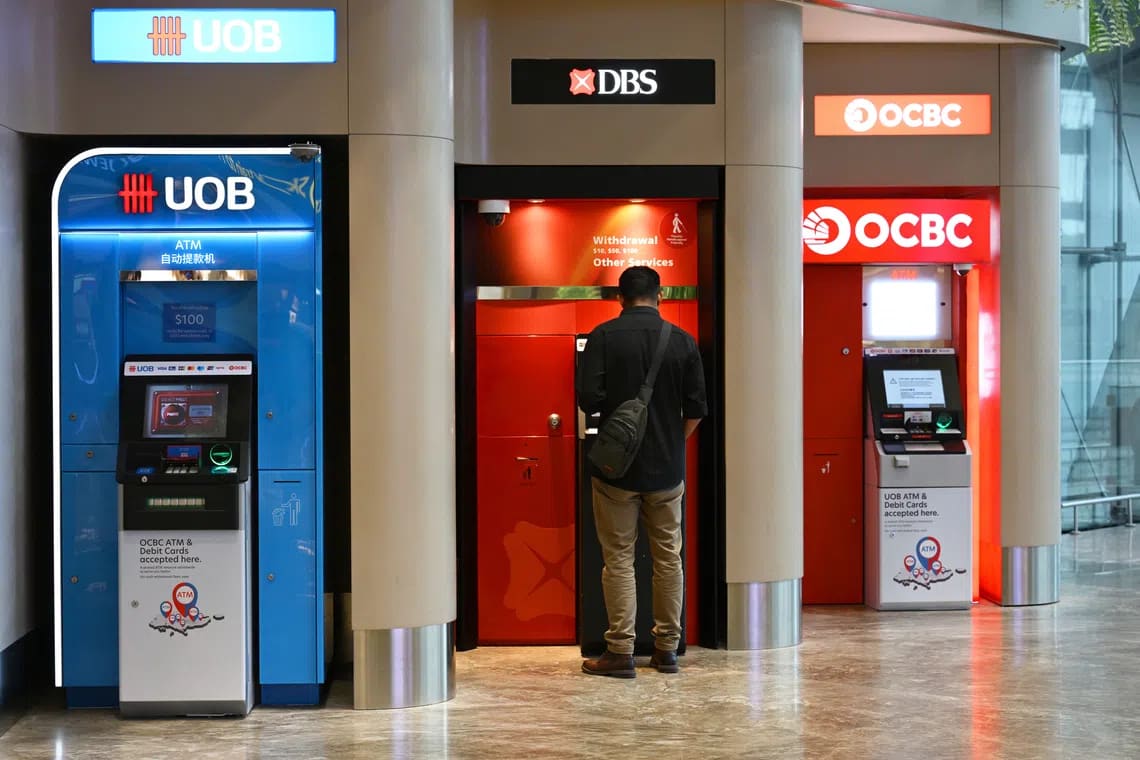
Singapore Banks Split as DBS and OCBC Hit Record Highs While UOB Lags
Priyanka V. Rao · 3 min
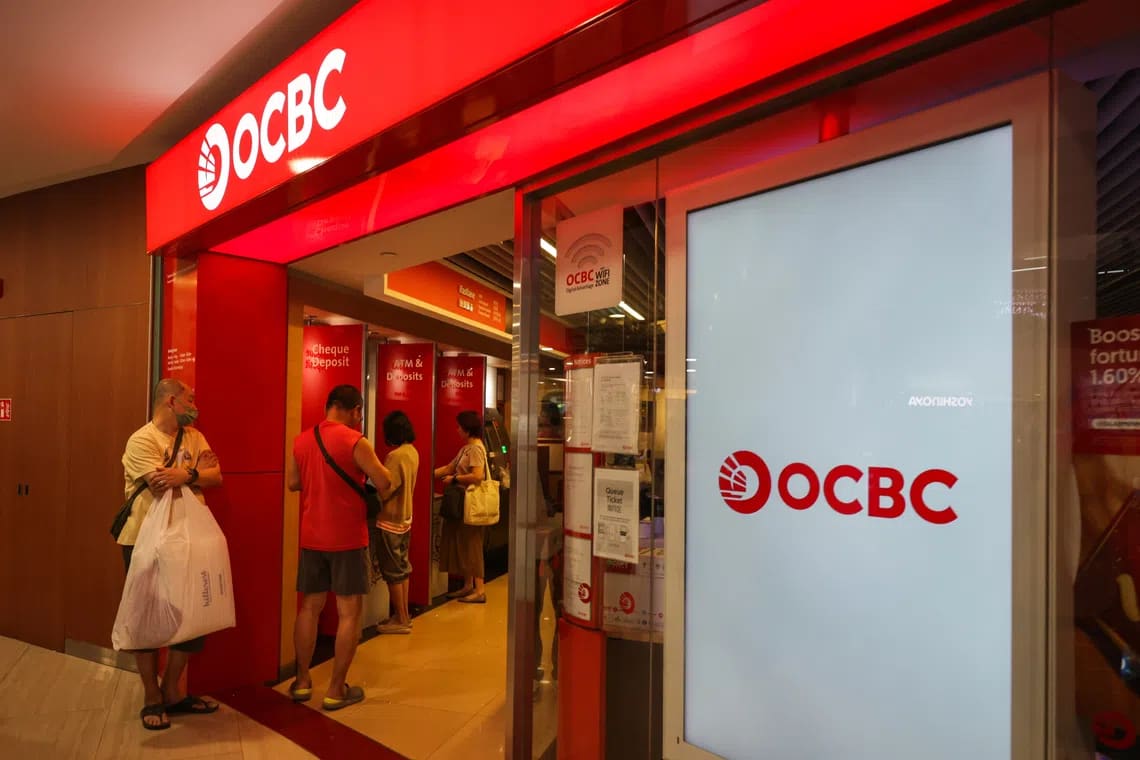
OCBC Lifts Dividend as Wealth Management Drives 22% Profit Jump
Priyanka V. Rao · 2 min
Spot something wrong? Email editor@briefasia.com. We log every correction publicly.