Finance · Deals
Seven & i Holdings Shares Fall After Zabka Investment Talks Collapse
Japan's largest convenience store operator saw its stock decline following the breakdown of negotiations with Poland's Zabka Group
KEY TAKEAWAYS
- ·Seven & i Holdings shares declined 2.3% in Monday trading after the Japanese retail giant ended investment discussions with Poland's Zabka Group, which operates over 9,000 convenience stores across Central Europe.
- ·The collapse comes as Seven & i faces pressure from activist investors and reviews strategic options following a rejected takeover bid from Canada's Alimentation Couche-Tard in 2024.
- ·The failed transaction signals a more cautious approach to international expansion as the company prioritizes operational improvements and shareholder value in existing markets over acquisition-driven growth.
Market Reaction
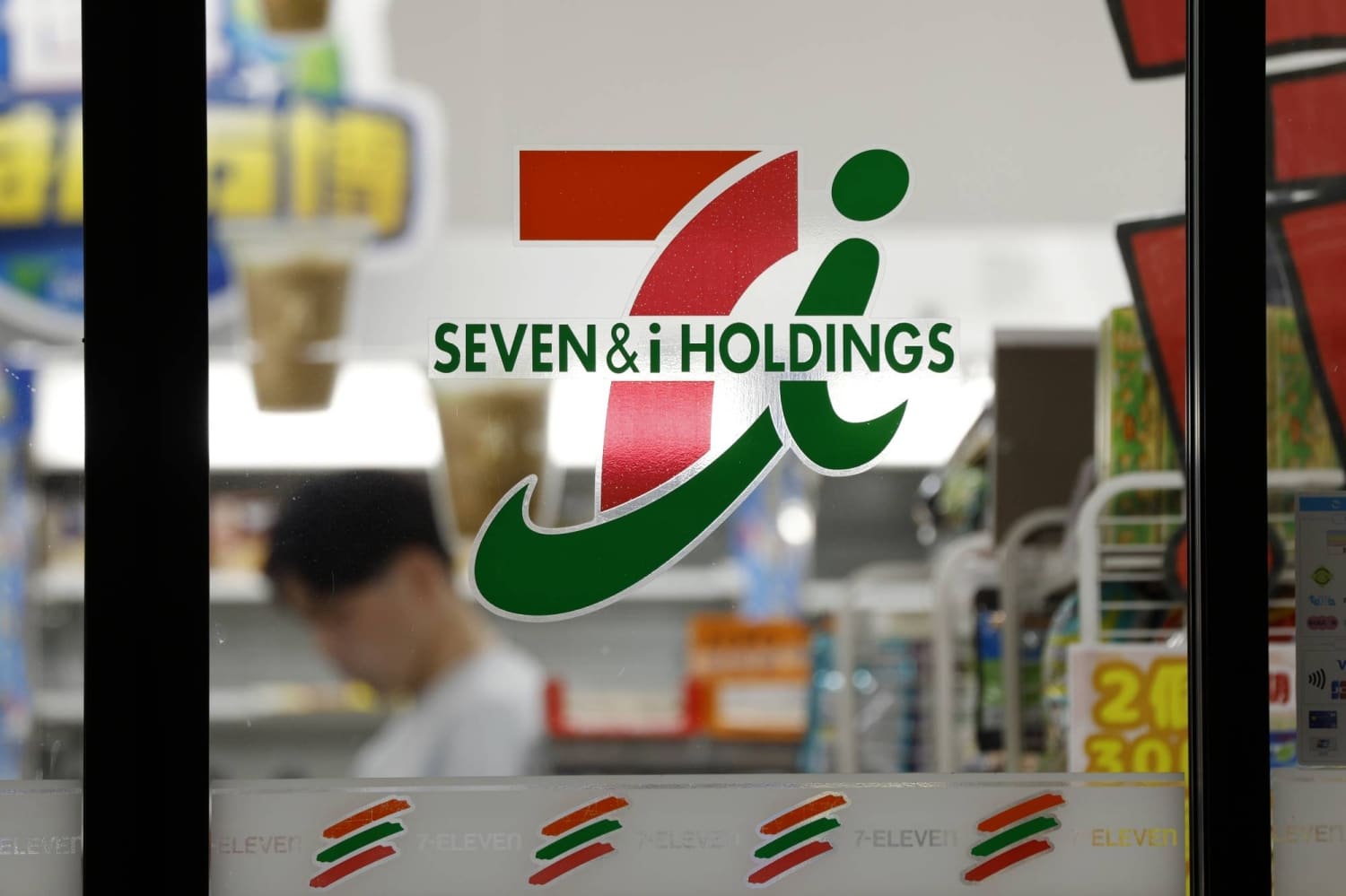
Seven & i Holdings shares fell as much as 2.3% in Monday trading after the Japanese retail conglomerate confirmed it had terminated investment discussions with Poland's Zabka Group. The decline reflected investor disappointment over the collapse of what could have been a significant European expansion move for the operator of the 7-Eleven convenience store chain.
The Tokyo-based company announced the end of negotiations without providing specific reasons for the breakdown. Seven & i did not disclose how long the talks had been underway or the potential size of the investment being considered.
Strategic Context
The failed deal comes as Seven & i navigates a complex period of strategic decisions. The company has been evaluating various options to strengthen its global convenience store footprint, particularly in markets outside Asia and North America where it already maintains a dominant presence through its 7-Eleven network.
Zabka operates more than 9,000 convenience stores across Poland, making it one of Central Europe's largest convenience retail chains. The Polish operator has built a strong position in its home market through a franchise-based model and technology-driven store operations, including automated checkout systems and app-based ordering.
An investment in Zabka would have given Seven & i a substantial entry point into the Central European market, a region where modern convenience store formats are still expanding. Poland's retail sector has attracted interest from international investors due to its stable economic growth and rising consumer spending patterns.
Broader Pressures
Seven & i has faced mounting pressure from activist shareholders and potential acquirers in recent months. The company received a takeover proposal from Canadian convenience store operator Alimentation Couche-Tard in 2024, which it rejected as undervaluing the business. That unsolicited bid prompted Seven & i to accelerate its strategic review and consider various restructuring options.
The Japanese retailer has been working to streamline its operations and focus on higher-growth segments. Beyond its core convenience store business, Seven & i operates supermarkets, department stores, and specialty retail formats across Japan and internationally. Management has indicated it may divest non-core assets to improve profitability and shareholder returns.
The collapse of the Zabka talks suggests Seven & i may be taking a more cautious approach to international expansion, particularly at a time when it faces pressure to demonstrate value creation for shareholders. Organic growth and operational improvements in existing markets may take precedence over large acquisition-driven expansion.
Regional Implications
For Central European retail markets, the failed transaction underscores the challenges of attracting major Asian retail capital. While convenience store formats have proven successful in dense urban markets across Asia, replicating that model in European cities requires significant adaptation to local consumer behavior, regulatory environments, and competitive dynamics.
Zabka will need to continue pursuing other strategic options to fuel its growth ambitions. The Polish operator had been exploring various partnership and funding opportunities to expand beyond its home market and upgrade its technology infrastructure. Other potential investors from European private equity or strategic retail groups may now re-evaluate opportunities with the company.
The breakdown also highlights the complexity of cross-border retail investments in the current environment. Regulatory scrutiny, valuation gaps, and strategic misalignment can derail even advanced-stage negotiations between well-established operators.
Seven & i's share price reaction, while notable, remained relatively contained. Investors appear to be weighing the lost opportunity against the company's broader strategic challenges and the potential benefits of maintaining capital flexibility during an uncertain period for the global retail sector.
RELATED STORIES

Japan Wage Growth Hits 29-Year High, Reinforcing Central Bank Rate Path
Aiko Nakamura · 3 min
SoftBank Prices ¥1 Trillion Retail Bond in Largest Offering Since 2020
Aiko Nakamura · 3 min
Japan Tightens Oversight of Cross-Border Lending to Shadow Banks
Aiko Nakamura · 2 min
ABN Amro Clearing to Break Into Japan's Power Futures Market
Tran Quoc Bao · 3 min
Spot something wrong? Email editor@briefasia.com. We log every correction publicly.