Technology · Dev
Server CPUs Emerge as AI Infrastructure's Latest Bottleneck
Chinese cloud providers lock in long-term processor contracts as Intel and AMD shipments tighten, marking a shift from once-stable supply chains to semiconductor-style allocation.
KEY TAKEAWAYS
- ·Chinese cloud providers are signing long-term purchase agreements for Intel and AMD server CPUs, a shift from standard procurement as AI infrastructure demand tightens supply.
- ·The constraint has migrated from Nvidia GPUs to memory, networking, and now server processors, turning once-stable components into strategically allocated inventory.
- ·Tighter CPU allocation may pressure smaller cloud operators and accelerate adoption of Arm-based alternatives in regions where x86 supply becomes constrained.
From Abundant to Allocated
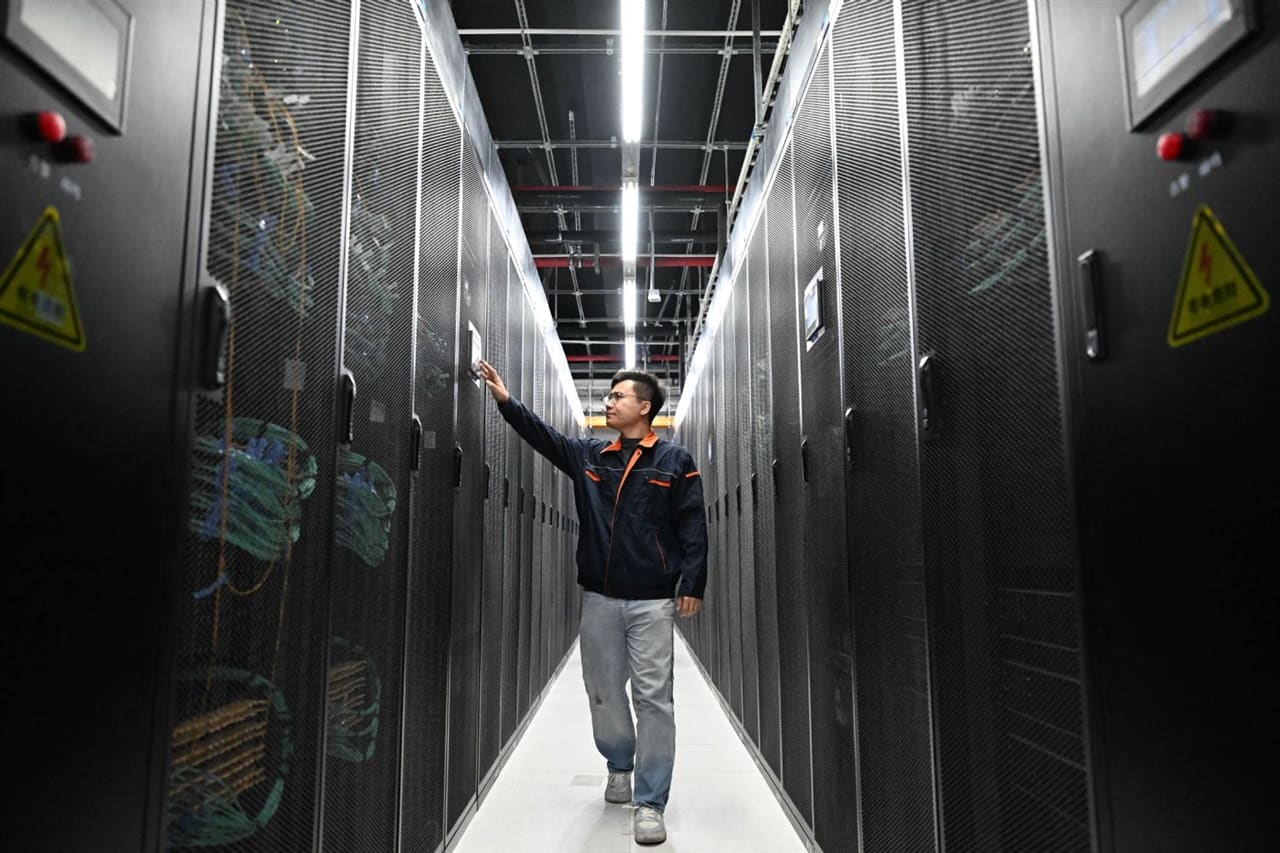
The infrastructure supporting artificial intelligence workloads has hit a new constraint, and this time it is affecting a component that has rarely been in short supply. Server processors, the x86 chips that anchor data center operations, are now subject to the same long-term purchase agreements that buyers have used for graphics accelerators and high-bandwidth memory.
Chinese cloud platforms and internet companies are signing multi-quarter commitments with Intel and AMD, locking in processor shipments well in advance. The shift reflects how demand for AI compute has strained every layer of the data center stack, turning what was once a commodity purchase into a strategic procurement decision.
Expansion Beyond the GPU Layer
For the past two years, constraints in AI infrastructure centered on Nvidia's H100 and subsequent accelerator generations. Customers competed for allocation, and lead times stretched into quarters. That scarcity then migrated to adjacent components: CoWoS packaging capacity at TSMC, HBM modules from SK hynix and Samsung, and high-speed networking switches from Broadcom and Marvell.
Server CPUs had remained relatively insulated. Intel's Xeon and AMD's EPYC lines enjoyed stable supply, and hyperscalers could order processors on standard lead times without multi-year contracts. That equilibrium has dissolved. The same buyers deploying thousands of GPU clusters now need proportional numbers of host processors to manage inference serving, orchestration, and the non-accelerated portions of AI pipelines.
Chinese operators, facing both domestic AI ambitions and export restrictions on advanced GPUs, are building out infrastructure with whatever components remain accessible. That has concentrated demand on server CPUs, which remain available but are now subject to tighter allocation as global fab capacity runs at elevated utilization.
Intel and AMD Navigate Dual Pressures
Both x86 vendors are navigating a market that has become more volatile. Intel's recent product cycles have emphasized AI-adjacent features such as built-in accelerators for inference and vector processing, positioning Xeon as more than a peripheral component in AI systems. AMD's EPYC chips have gained share in cloud environments, and the company has highlighted design wins at Chinese hyperscalers.
Neither company has disclosed specific contract terms, but the move toward longer commitments mirrors practices in the memory and foundry sectors. Buyers gain supply certainty; suppliers gain revenue visibility and can justify capacity investments. The trade-off is reduced flexibility for both sides if demand patterns shift.
Export controls add complexity. While server CPUs have not faced the same restrictions as cutting-edge GPUs, any future tightening could alter shipment volumes to Chinese customers. That uncertainty makes long-term contracts both more valuable and more precarious.
Implications for the Broader Stack
The tightening of CPU supply illustrates how AI infrastructure constraints propagate. A shortage in one component forces buyers to secure others preemptively, creating secondary bottlenecks. As Chinese firms lock in processors, supply available to other regions may compress, particularly if Intel and AMD prioritize customers willing to commit to volume.
Data center builders in Southeast Asia, India, and the Middle East, regions where AI investment is accelerating, may find themselves competing for the same processor inventory. Smaller cloud providers and enterprises without the leverage to negotiate long-term deals could face longer lead times or higher spot pricing.
The shift also raises questions about x86 alternatives. Arm-based server chips from Ampere, Graviton, and Chinese vendors like Huawei's Kunpeng have gained traction, but ecosystem maturity and software compatibility still favor Intel and AMD in most deployments. If CPU constraints persist, the economic case for Arm and RISC-V architectures strengthens, particularly in markets where vertical integration is feasible.
A New Procurement Reality
The server CPU market has entered a phase that looks less like traditional IT procurement and more like semiconductor allocation. Components that were once ordered on demand now require forecasting, relationship management, and contractual commitment. For Chinese cloud operators, securing processors is now as strategic as securing accelerator capacity, and the two are increasingly intertwined.
Whether this tightness reflects a temporary mismatch between demand growth and fab capacity, or a structural shift in how data center components are supplied, will become clearer over the next several quarters. What is certain is that the AI infrastructure race has rewritten the rules for yet another category of hardware.
RELATED STORIES
JCET Eyes $968 Million to Scale AI Packaging Lines
Tran Quoc Bao · 3 min

Hong Kong Debuts Robot-Run Convenience Store in Commercial Automation Push
Cheng Wei-Lun · 3 min

China Scrubs 5.6 Million AI-Generated Posts in Platform Cleanup
Cheng Wei-Lun · 3 min
Chinese Automakers Target Hybrid Market After EV Dominance
Cheng Wei-Lun · 3 min
Spot something wrong? Email editor@briefasia.com. We log every correction publicly.