Technology · Policy
Seoul Rejects Profit-Sharing Pressure on Samsung and SK Hynix
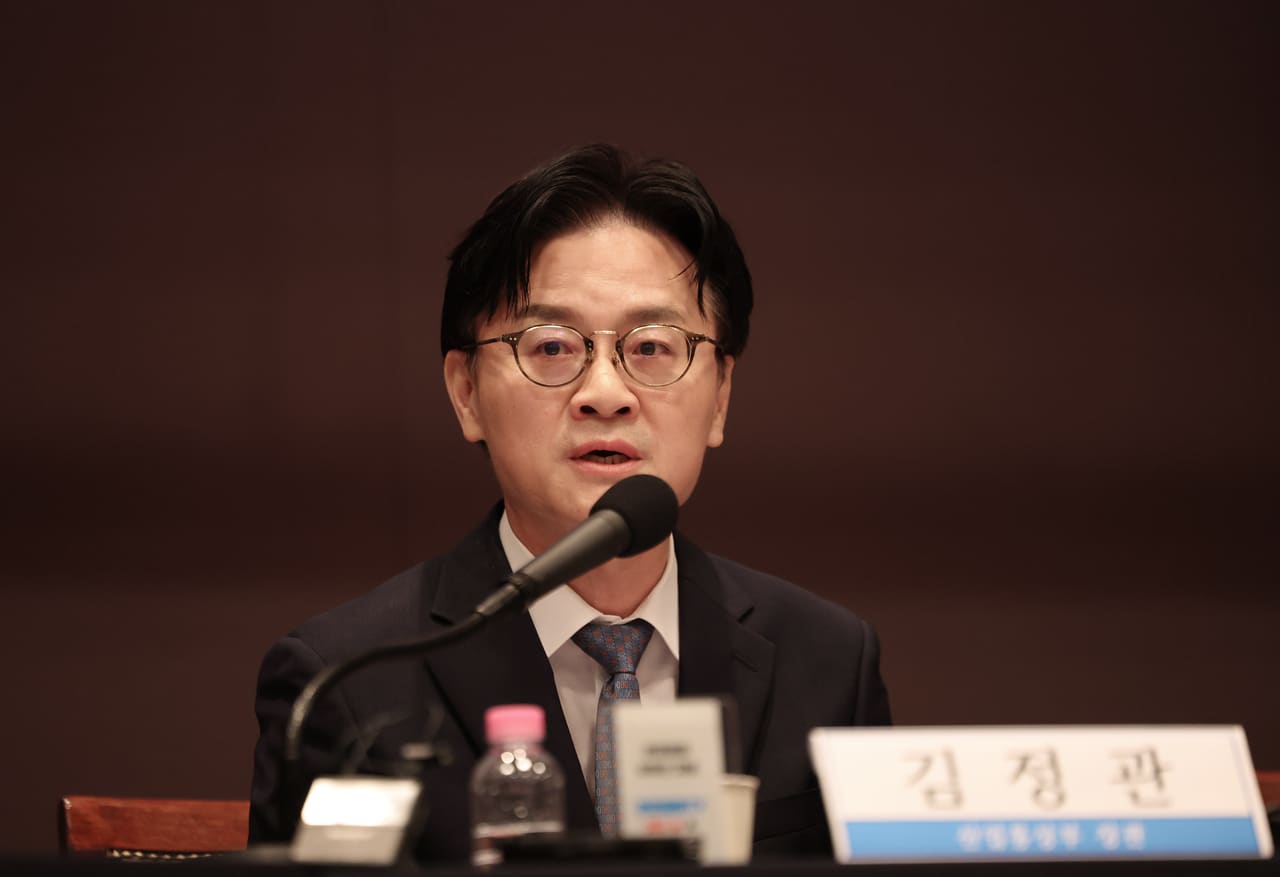
Industry Minister Kim Jung-kwan warns Korea risks losing memory chip dominance within a year without faster investment, pushing back on calls to tap chipmaker earnings beyond taxation.
KEY TAKEAWAYS
- ·South Korea's Industry Minister Kim Jung-kwan rejected profit-sharing proposals for Samsung Electronics and SK hynix beyond existing corporate taxes, calling semiconductors the nation's only strategic asset.
- ·Kim warned Korea could lose its global memory chip market position within twelve months unless chipmakers accelerate capital deployment amid rising Chinese production capacity.
- ·The position arrives as Samsung posted KRW 6.6 trillion semiconductor profit in Q2 and SK hynix recorded its strongest quarter since 2018, renewing debate over public value capture.
Government Draws Line on Chipmaker Earnings
South Korea will not pursue profit-sharing arrangements with its semiconductor giants beyond existing tax obligations, even as Samsung Electronics and SK hynix report historic earnings. Industry Minister Kim Jung-kwan made the position clear during a policy debate in Seoul, framing chips as the nation's sole strategic asset in an increasingly contested global technology landscape.
The minister's comments arrive as both companies navigate a memory market recovery that has pushed operating margins to multi-year highs. Samsung's semiconductor division posted a KRW 6.6 trillion operating profit in the second quarter, while SK hynix recorded its strongest quarterly performance since 2018. That financial performance has renewed domestic debate over how Korea captures broader economic value from its technology champions.
Kim rejected proposals that would channel chipmaker profits into public funds or industrial policy vehicles separate from corporate tax frameworks. "The government's share should end with taxes," he said at the Kwanhun Club forum. His remarks signal the administration views additional claims on semiconductor earnings as a threat to the capital intensity required to maintain technological leadership.
Twelve-Month Window for Market Position
The minister outlined a narrow timeline for Korea to cement its memory chip advantage, warning that competitive erosion could begin within a year without substantial new investment. His assessment reflects mounting pressure from Chinese manufacturers expanding DRAM and NAND production capacity, alongside persistent efforts by U.S. and Japanese firms to re-enter segments they previously ceded to Korean producers.
China's semiconductor self-sufficiency drive has accelerated domestic memory output even under export control restrictions. YMTC and CXMT have ramped 128-layer NAND and DDR4 DRAM production, respectively, targeting price-sensitive segments that once provided volume stability for Korean chipmakers. While technology gaps remain in leading-edge nodes, the capacity additions are reshaping competitive dynamics in mainstream products.
Kim's timeline underscores the capital deployment challenge facing Samsung and SK hynix. Both companies have announced multi-year investment programs exceeding USD 200 billion combined, but translating commitments into operating fabs requires navigating equipment lead times, workforce constraints, and technology migration risks. The minister's warning suggests Seoul sees current market strength as a closing window rather than a durable advantage.
Strategic Asset Calculus
The industry chief characterized semiconductors as Korea's only strategic asset, a framing that elevates chipmaker health to national security priority. That designation carries implications for policy decisions ranging from labor regulations to environmental permitting and utility pricing for fabrication plants.
Korea's semiconductor sector accounts for roughly 20 percent of total exports and employs over 300,000 workers directly, with multiples more in equipment supply chains and related services. The concentration creates economic vulnerability but also policy leverage. Samsung and SK hynix have used their strategic importance to secure infrastructure commitments, tax incentives, and regulatory accommodations that smaller industries cannot access.
The minister's defense of profit retention aligns with industry arguments that memory chipmaking requires continuous reinvestment to stay ahead of depreciation curves and technology transitions. Leading-edge fabs lose competitive relevance within three to five years without process upgrades, creating capital demands that exceed most manufacturing sectors. Samsung's Pyeongtaek campus alone represents over USD 60 billion in accumulated investment since groundbreaking.
Regional Investment Race
Kim's comments reflect broader anxiety across East Asian technology hubs as governments deploy industrial policy to secure chip supply chains. Taiwan has maintained fab investment despite geopolitical pressure, with TSMC committing USD 40 billion for new Arizona capacity while expanding Kaohsiung and Hsinchu sites. Japan has recruited TSMC, Micron, and Samsung for domestic production through subsidy packages exceeding USD 15 billion.
Korea's challenge lies in matching those incentives without triggering fiscal sustainability concerns or WTO subsidy disputes. The government has expanded tax credits for semiconductor R&D and capital expenditure, but stopped short of the direct grants and co-investment structures deployed by Tokyo and Washington. Kim's resistance to profit-sharing mechanisms suggests Seoul prefers enabling private investment over state participation models.
The minister's timeline carries political risk. If market share erosion materializes within his stated twelve-month window, opposition parties and civil society groups will revisit questions about whether Korea extracted sufficient public value from decades of semiconductor support. The debate over chipmaker profits sits within longer-standing tensions over corporate governance, wealth concentration, and industrial policy effectiveness that have defined Korean economic discourse for a generation.
Kim's stance prioritizes technological competitiveness over distributional concerns, betting that Korea's prosperity depends on maintaining chip leadership rather than reallocating current earnings. Whether that calculation proves correct will depend on how quickly Samsung and SK hynix can convert record profits into next-generation capacity before competitors close the gap.
RELATED STORIES
SK Hynix Eyes Stake Sale in $3 Billion China Packaging Facility
Cheng Wei-Lun · 2 min
Lotte Mart Opens Busan Fulfillment Center in $710M Logistics Push
Jun-ho Seo · 3 min
South Korea Mobilizes Conglomerates for Humanoid Robot Push
Cheng Wei-Lun · 3 min
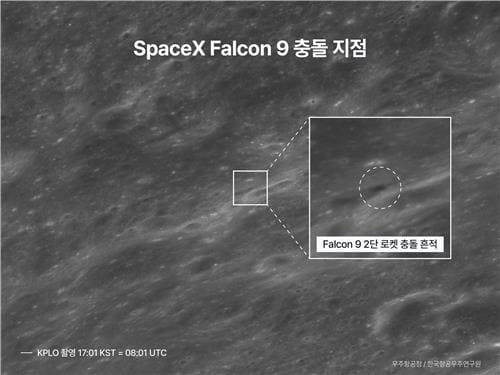
South Korea's Danuri Orbiter Photographs SpaceX Rocket Impact on Moon's Far Side
Cheng Wei-Lun · 4 min
Spot something wrong? Email editor@briefasia.com. We log every correction publicly.