Asia · Business
Seoul's Corporate Giants Join Washington Lobbying Push Through AmCham Initiative
Chamber of Commerce launches K-Doorknock to help Korean firms navigate US policy landscape amid rising cross-Pacific investment flows
KEY TAKEAWAYS
- ·AmCham Korea completed over 30 meetings with US officials and introduced K-Doorknock to help Korean firms navigate Washington policy as they expand American operations.
- ·Korean companies have committed tens of billions to US chip and battery projects under CHIPS Act and IRA, creating demand for direct regulatory access.
- ·The initiative reflects wider Asian corporate diplomacy as firms from Taiwan to Singapore build Washington lobbying infrastructure to secure subsidies and shape rules.
Corporate Diplomacy Takes Center Stage
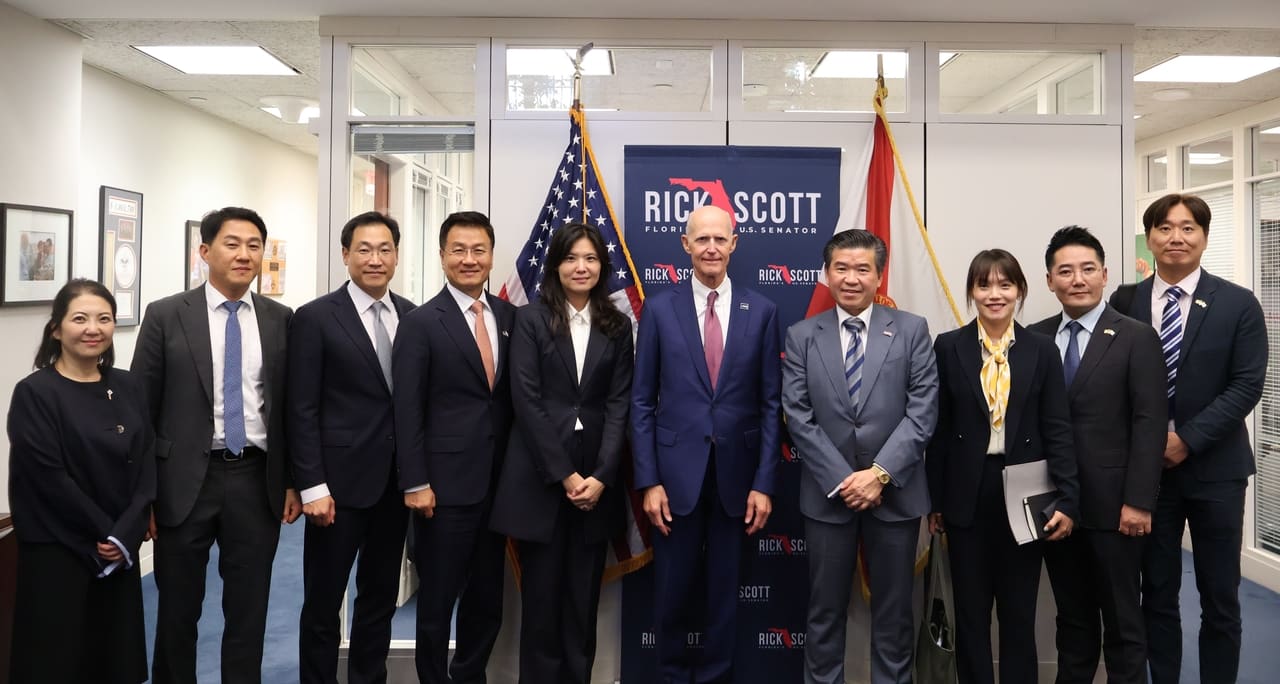
The American Chamber of Commerce in Korea has wrapped up its annual Washington engagement mission, this time with a new component designed to integrate Korean multinationals into the US policy conversation. The chamber conducted over thirty separate meetings with administration officials, congressional staff, business coalitions and think tanks between July 13 and 16, marking one of its most intensive outreach efforts to date.
What sets this year apart is K-Doorknock, a freshly minted program that brings Korean corporations expanding their US footprint into direct dialogue with Washington decision-makers. The initiative reflects a broader pattern across Asia: as companies from Seoul to Taipei pour capital into American manufacturing and technology infrastructure, they are seeking earlier and more structured access to the regulatory and legislative machinery that shapes their operating environment.
AmCham Korea announced the conclusion of the mission on Wednesday, highlighting the breadth of engagement across executive branch agencies, Capitol Hill offices and influential business associations. The chamber did not disclose which specific Korean firms participated or which agencies were visited, but the timing aligns with a wave of high-stakes investment announcements by Korean semiconductor, battery and automotive suppliers.
Why Korean Firms Are Seeking Direct Access
Korean companies have committed tens of billions of dollars to US-based projects since the passage of the CHIPS and Science Act and the Inflation Reduction Act. Samsung Electronics is building a $17 billion chip fabrication complex in Texas, SK Hynix is evaluating advanced packaging facilities, and battery makers like LG Energy Solution and SK On are partnering with Detroit automakers on multi-billion-dollar joint ventures.
These investments hinge on a complex web of federal subsidies, tax credits, export controls and workforce development programs. Navigating that landscape requires more than legal counsel; it demands ongoing relationships with the officials who interpret regulations, allocate grants and draft the implementing rules that determine whether a project qualifies for incentives.
K-Doorknock formalizes what many large Asian conglomerates have been doing informally: hiring Washington lobbying shops, embedding government affairs teams in their US subsidiaries and attending policy roundtables. By embedding Korean firms within AmCham's established mission framework, the chamber offers a turnkey entry point and the credibility of a long-standing bilateral business organization.
The program also serves a defensive function. As US industrial policy becomes more interventionist, Korean companies face questions about supply chain resilience, technology transfer and alignment with American strategic priorities. Direct engagement helps Korean executives frame their investments as contributions to US manufacturing capacity and job creation, rather than as extensions of foreign industrial policy.
Regional Implications Beyond Seoul
Korea is not alone in recognizing the value of structured Washington outreach. Taiwanese semiconductor firms, Japanese automakers and Singaporean sovereign wealth funds have all expanded their policy engagement operations in the US capital over the past two years. The competition for subsidies, permits and favorable regulatory treatment has become a parallel track to the competition for market share.
This trend has implications for smaller Asian economies that lack the same lobbying infrastructure. Vietnamese electronics manufacturers, Indonesian nickel processors and Indian pharmaceutical exporters are watching how Korean and Taiwanese firms leverage their Washington presence to secure advantageous terms. Some are beginning to coordinate through their own chambers of commerce or industry associations, but few have the resources or institutional memory that AmCham Korea brings to the table.
The proliferation of these programs also raises questions about the transparency and equity of US industrial policy. When large foreign multinationals gain privileged access to policymakers, smaller domestic firms and startups may find themselves at a disadvantage in securing grants or shaping regulations. The Commerce Department and Treasury have emphasized that subsidy allocation will be merit-based and transparent, but the reality is that firms with sophisticated government affairs operations are better positioned to navigate the application process and influence the rules.
What Comes Next
AmCham Korea has not disclosed whether K-Doorknock will become an annual fixture or expand to include additional missions throughout the year. The chamber's statement emphasized the success of this year's meetings but offered few details on specific outcomes or commitments secured from US officials.
For Korean companies, the calculus is straightforward: as their US exposure grows, so does their need for policy intelligence and access. The next twelve months will see the first tranche of CHIPS Act grants disbursed, the rollout of clean energy tax credit guidance and potential new export controls on advanced semiconductor equipment. Each of these developments could materially affect the return on investment for Korean projects already under construction.
The broader question is whether other Asian chambers of commerce will follow suit. If K-Doorknock proves effective at securing regulatory clarity or expediting subsidy approvals, expect similar initiatives from Japanese, Taiwanese and Southeast Asian business groups. Washington's policy landscape is becoming more crowded, and the firms that invest early in building relationships are likely to see returns that extend well beyond any single piece of legislation.
RELATED STORIES
South Korea Breaks Full-Year Export Record in September
Tran Quoc Bao · 3 min
SK Hynix Union Rejects Wage Deal in Razor-Thin Vote
Cheng Wei-Lun · 3 min
South Korea Creates Fiscal Buffer Fund to Manage Semiconductor Tax Surge
Cheng Wei-Lun · 4 min
Seoul Faces Economic Pressure as US Policy Shift Strains Trade and Security Ties
Cheng Wei-Lun · 4 min
Spot something wrong? Email editor@briefasia.com. We log every correction publicly.