Asia · Business
Seoul Channels Semiconductor Windfall Into National Future Fund
The Lee administration plans to redirect surplus tax revenue from the chip boom into infrastructure, inequality relief, and support for younger workers.
KEY TAKEAWAYS
- ·South Korea will create a Future Response Fund using surplus tax revenue from the semiconductor boom to finance national investment projects and long-term competitiveness.
- ·The fund will support three mega-projects in chips, physical AI, and data centers, with Samsung and SK Hynix committing hundreds of billions in investment.
- ·Allocations will target K-shaped economic polarization, including housing, startup financing, and employment support for people in their twenties and thirties.
A Strategic Bet on Surplus Revenue
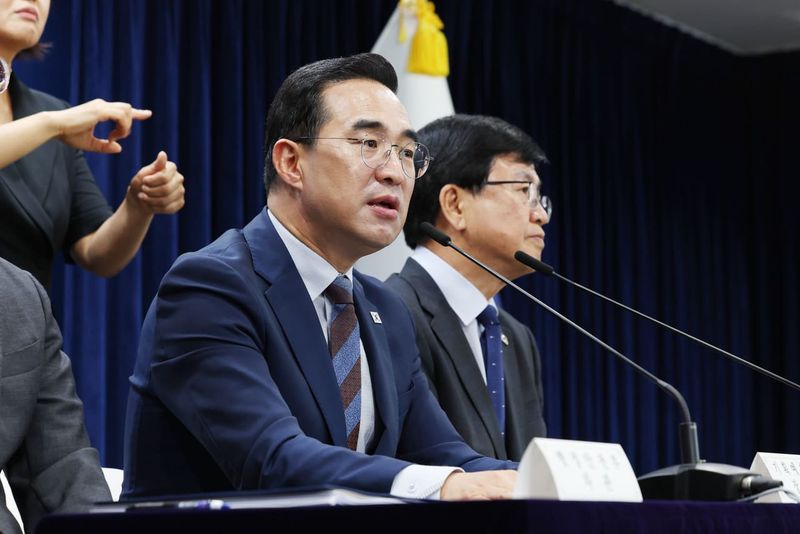
South Korea intends to channel unexpected tax revenue from its booming semiconductor industry into a newly created sovereign fund designed to finance long-term competitiveness and address widening economic divides. Presidential Chief of Staff Kang Hoon-sik outlined the plan at a weekend coordination meeting between the administration and the ruling Democratic Party, framing the proposal as essential to avoiding the squandering of a rare fiscal opportunity.
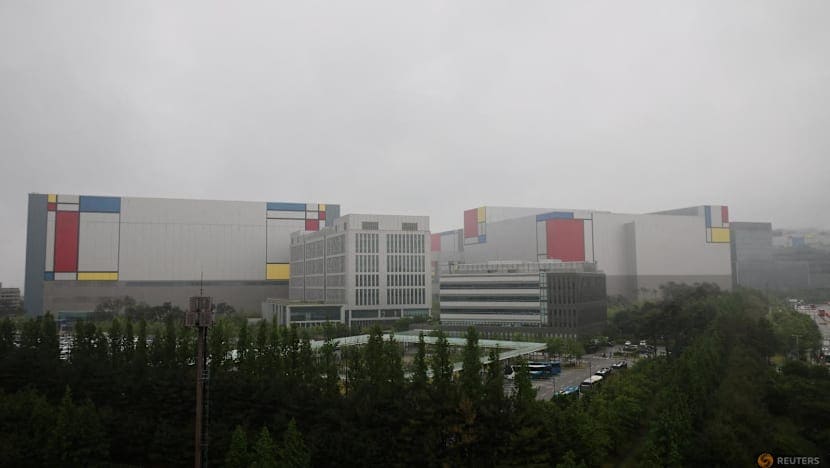
The so-called Future Response Fund will support three large industrial projects recently announced by President Lee Jae Myung, which center on semiconductor manufacturing, physical AI development, and data center expansion. Samsung Electronics and SK Hynix are among the companies committing hundreds of billions of dollars to these initiatives, which aim to cement South Korea's position in advanced chip production and AI infrastructure while spreading economic activity beyond the Seoul metropolitan area.
Kang described the fund as a cornerstone for making South Korea globally irreplaceable, a phrase Lee has used to describe his administration's industrial ambitions. The chief of staff warned that failing to deploy the surplus revenue strategically at this juncture could undermine the country's future trajectory.
Addressing K-Shaped Polarization
Beyond infrastructure, the fund will target what Kang termed "K-shaped" economic polarization, a reference to the diverging fortunes of different demographic and income groups in recent years. Specific allocations will include housing assistance, startup financing, and employment programs aimed at people in their twenties and thirties, cohorts that have faced rising cost burdens and stagnant wage growth even as headline economic figures have improved.
The government has not yet disclosed the size of the fund or the precise breakdown of allocations. Officials indicated that legislation and budget approvals will be pursued quickly, with Democratic Party floor leader Han Byung-do pledging parliamentary support for early implementation.
Prime Minister Han Sung-sook characterized the three mega-projects as a 30-year strategy linking semiconductors, AI, data centers, and physical AI applications. She called for unity among government, the ruling party, and private sector players to ensure the initiatives function as a cohesive growth engine.
Windfall Timing and Fiscal Discipline
The semiconductor windfall arrives as South Korea records its fastest growth in five years, driven in large part by strong global demand for memory chips and high-bandwidth memory products used in AI training. SK Hynix recently joined Samsung and Micron in the trillion-dollar valuation club, underscoring the sector's robust performance.
South Korea has historically maintained relatively conservative fiscal policies, but the current administration appears willing to use cyclical revenue gains to fund structural investments rather than allow them to disappear into general budget operations. The approach mirrors strategies employed by resource-rich nations that establish sovereign wealth funds to smooth volatility and invest for future generations, though South Korea's fund will be seeded by technology sector profits rather than natural resource extraction.
The government has emphasized speed in moving the fund from concept to operation, urging close coordination to lock in legislative and financial commitments before the revenue window narrows. Semiconductor markets are notoriously cyclical, and officials appear conscious that today's surplus could evaporate if demand softens or if competitors in the United States, Europe, or other parts of Asia close the technology gap.
Regional Implications
The fund's establishment adds another layer to the intensifying competition for semiconductor and AI leadership across Asia. Taiwan, Japan, and Singapore have all announced multi-billion-dollar programs to attract chip manufacturing and AI research, while China continues to pour state resources into domestic alternatives despite export controls imposed by Washington and its allies.
South Korea's strategy of coupling industrial policy with targeted social spending may offer a template for other governments seeking to balance competitiveness with domestic political pressures around inequality. Whether the fund can deliver both growth and equity outcomes will depend on execution, transparency, and the durability of the semiconductor upcycle that is financing it.
RELATED STORIES
South Korea Breaks Full-Year Export Record in September
Tran Quoc Bao · 3 min
SK Hynix Union Rejects Wage Deal in Razor-Thin Vote
Cheng Wei-Lun · 3 min
South Korea Creates Fiscal Buffer Fund to Manage Semiconductor Tax Surge
Cheng Wei-Lun · 4 min
Seoul Faces Economic Pressure as US Policy Shift Strains Trade and Security Ties
Cheng Wei-Lun · 4 min
Spot something wrong? Email editor@briefasia.com. We log every correction publicly.