Finance · Markets
Samsung SDI Returns to Profit After Seven Consecutive Quarterly Losses
South Korea's battery maker posted a 203.8 billion won operating profit in Q2, beating analyst expectations by a wide margin
KEY TAKEAWAYS
- ·Samsung SDI reported a 203.8 billion won operating profit in Q2 2026, ending seven consecutive quarters of losses and beating analyst expectations of a 14.8 billion won loss.
- ·The result represents a year-on-year swing of more than 600 billion won, with revenue rising 18.5 percent to 3.77 trillion won.
- ·The turnaround sets a benchmark for Korean battery makers and raises questions about whether sector-wide conditions are improving or gains are company-specific.
Unexpected Turnaround
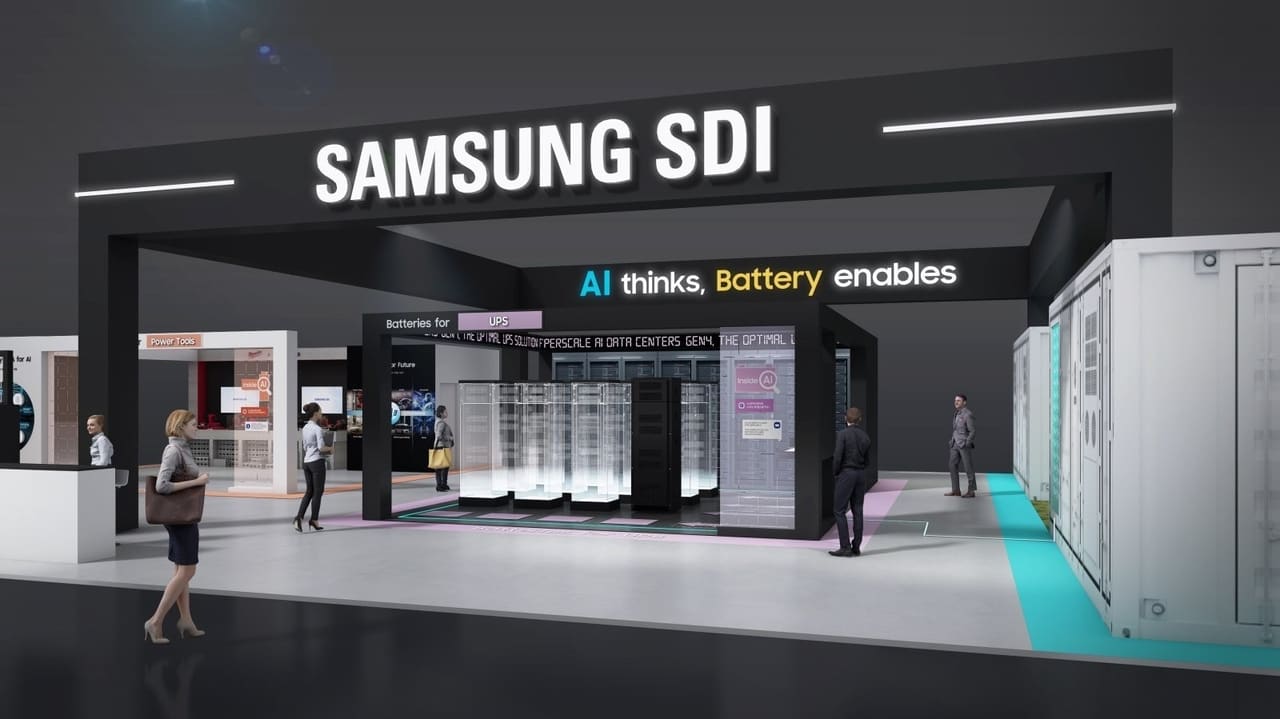
Samsung SDI, the battery manufacturing arm of South Korea's Samsung Group, delivered a surprise return to profitability in the second quarter of 2026. The company announced an operating profit of 203.8 billion won ($141.6 million), according to Thursday's earnings release. This marks the first time Samsung SDI has posted positive operating income in seven quarters, ending a nearly two-year stretch of losses.
The result shocked market watchers. Analysts surveyed by Yonhap Infomax had forecast an operating loss of 14.8 billion won for the quarter. Samsung SDI's actual performance beat that consensus by more than 218 billion won, a dramatic upside surprise that signals a potential inflection point for the battery maker.
Scale of the Recovery
The magnitude of Samsung SDI's recovery becomes clearer when measured against the prior year. In the second quarter of 2025, the company recorded an operating loss of 397.8 billion won. The year-on-year swing from a nearly 400 billion won loss to a 200 billion won profit represents a turnaround exceeding 600 billion won in operating performance.
Revenue climbed 18.5 percent year-on-year to reach 3.77 trillion won in the quarter. Net profit stood at 471.6 billion won, reflecting not just operational improvement but also gains at the bottom line.
Context for Battery Makers
Samsung SDI's profitability recovery arrives at a critical juncture for Asian battery manufacturers. The sector has faced sustained pressure from overcapacity, falling lithium prices, and intense competition among suppliers vying for contracts with global automakers transitioning to electric vehicles.
South Korean battery producers, including Samsung SDI, LG Energy Solution, and SK On, have struggled with margin compression as raw material costs fluctuated and demand growth for EVs slowed in key markets like Europe and North America during 2025. Several players recorded consecutive quarters of losses or sharply reduced profits throughout the period.
Samsung SDI's ability to swing back to positive operating income suggests the company may have successfully adjusted its cost structure, secured higher-margin contracts, or benefited from a stabilization in input costs. The scale of the beat relative to analyst expectations also indicates that improvements materialized faster than the market anticipated.
What Drove the Numbers
While Samsung SDI has not yet disclosed a detailed breakdown of the drivers behind its second-quarter performance, the revenue growth of 18.5 percent points to volume expansion or improved pricing power. For battery makers, profitability typically hinges on a combination of production efficiency, capacity utilization rates, and the ability to pass through cost changes to customers under supply agreements.
The company's net profit of 471.6 billion won, which exceeded operating profit, suggests the presence of non-operating gains during the quarter. These could include financial income, asset sales, or gains from equity-method investments, though specifics were not provided in the initial earnings announcement.
Investor and Industry Implications
The surprise profit is likely to draw renewed investor attention to Samsung SDI and the broader Korean battery sector. Shares of battery makers have been volatile over the past year, reflecting uncertainty about the pace of EV adoption and the profitability outlook for suppliers.
For automakers and technology companies relying on Samsung SDI for battery supply, the return to profitability may offer reassurance about the financial stability of a key partner. Long-term supply agreements often depend on the supplier's ability to invest in capacity expansion and next-generation technology, both of which require consistent cash flow.
Samsung SDI's recovery also sets a benchmark for its domestic rivals. If the company's turnaround reflects broader improvements in market conditions or operational best practices, competitors may follow a similar trajectory in coming quarters. Conversely, if Samsung SDI's gains are company-specific, the performance gap could widen, intensifying competitive dynamics within the Korean battery industry.
Watching the Trajectory
The critical question now is whether Samsung SDI can sustain profitability. A single quarter of positive results does not yet constitute a trend, particularly in a sector as cyclical and capital-intensive as battery manufacturing. Investors and industry observers will scrutinize the company's third-quarter guidance and full-year outlook for signals about durability.
Key variables to monitor include demand trends from major EV customers, the trajectory of lithium and other raw material prices, and Samsung SDI's success in ramping production of advanced battery formats such as solid-state cells or higher-energy-density chemistries. The company's ability to maintain operating leverage as it scales will determine whether the second quarter represents a turning point or a temporary respite.
RELATED STORIES
South Korea Extends Trading Hours to Attract Foreign Capital
Anand Sundaram · 2 min

MBK Partners Chair Questioned Over Homeplus Debt Issuance Ahead of Collapse
Anand Sundaram · 3 min
Seoul Stocks Drop on Mideast Tensions and Oil Price Surge
Tran Quoc Bao · 3 min
Samsung Biologics Plans $2.2 Billion Rights Offering to Fund Peptide Acquisition
Jun-ho Seo · 3 min
Spot something wrong? Email editor@briefasia.com. We log every correction publicly.