Finance · Deals
Samsung SDI to Divest Half Its Display Unit Stake for $3.2 Billion
The battery maker will sell 13.09 million shares back to Samsung Display to fund expansion into future growth sectors, retaining a 10.22% stake in the affiliate.
KEY TAKEAWAYS
- ·Samsung SDI will sell 13.09 million Samsung Display shares for $3.21 billion at 340,000 won each, retaining a 10.22% stake after the transaction closes August 27.
- ·The proceeds will fund investments in future growth areas, primarily battery technology and production capacity, as Samsung SDI competes globally against CATL and LG Energy Solution.
- ·Samsung Display will acquire the shares as treasury stock, reducing its outstanding share count and providing balance sheet flexibility amid ongoing margin pressures in the panel market.
A Strategic Unwinding
Samsung SDI announced Friday it will offload 13.09 million shares in Samsung Display to the affiliate company for approximately 4.45 trillion won ($3.21 billion), marking one of the largest intra-chaebol transactions this year. The battery and materials specialist cited the need to raise capital for investments in emerging growth businesses as the primary driver behind the sale.
Samsung Display will acquire the shares as treasury stock at 340,000 won per share, according to Samsung SDI's regulatory filing. The transaction is expected to close on August 27, though final share count and valuation may shift during the repurchase process.
After the sale completes, Samsung SDI will retain 26.77 million shares in Samsung Display, equivalent to a 10.22% ownership stake. The divestment effectively cuts Samsung SDI's position in the display affiliate by roughly half, signaling a deliberate reallocation of capital within the Samsung Group ecosystem.
Capital for the Battery Race
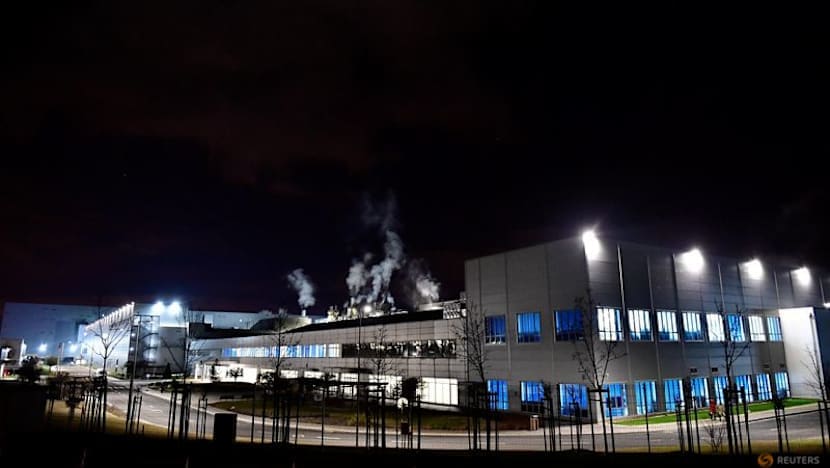
The timing reflects broader pressures facing Samsung SDI as it competes in the intensifying global battery market. The company operates manufacturing facilities across South Korea, Hungary, and is expanding in North America to serve electric vehicle makers including BMW, Stellantis, and General Motors.
Raising $3.2 billion through an affiliate share sale allows Samsung SDI to avoid diluting existing shareholders or taking on additional debt at a time when interest rates remain elevated across major economies. The proceeds are earmarked for "future growth engines," a term that in Samsung SDI's context typically encompasses next-generation battery chemistries, solid-state battery development, and production capacity expansion.
Samsung Display, meanwhile, benefits from the treasury stock purchase by reducing its outstanding share count, a move that can support earnings per share metrics and provide flexibility for future capital allocation decisions. The display unit has faced margin pressure in recent quarters as panel prices stabilized following the post-pandemic volatility.
Chaebol Capital Choreography
Intra-group transactions of this scale are common within South Korea's family-controlled conglomerates, where affiliates frequently adjust cross-holdings to optimize capital structure and strategic focus. Samsung SDI's decision to trim its Samsung Display stake while maintaining a meaningful 10% position suggests the relationship remains strategically important, even as the battery business demands heavier investment.
The transaction also underscores the diverging capital intensity of the two businesses. Display manufacturing, while still requiring significant R&D, has matured relative to the battery sector, where Samsung SDI faces competition from Chinese rivals like CATL and BYD, as well as South Korean peer LG Energy Solution. Securing $3.2 billion in cash now positions Samsung SDI to accelerate capacity additions and technology development without waiting for operating cash flow to accumulate.
The exchange rate used in the transaction, 1,385.79 won per dollar, reflects recent won weakness against the greenback, a factor that has complicated cost structures for South Korean exporters but also made their products more competitive in dollar-denominated markets.
What Comes Next
Market participants will watch how Samsung SDI deploys the capital over the next 12 to 18 months. The company has previously signaled interest in expanding cylindrical battery production for North American EV clients and advancing its prismatic battery lineup for European automakers. Solid-state battery pilot lines, while not yet at commercial scale, remain a longer-term capital sink that could absorb a portion of the proceeds.
For Samsung Display, the treasury stock acquisition gives management additional levers to manage shareholder returns and balance sheet flexibility as the OLED and LCD markets navigate ongoing shifts in demand from smartphone and TV manufacturers. The repurchase also tightens the ownership structure, concentrating voting power among remaining shareholders.
The transaction closes a chapter in Samsung SDI's portfolio strategy, one that began when the company held a larger stake in the display affiliate as part of the broader Samsung electronics and materials ecosystem. Now, with batteries commanding the lion's share of management attention and capital, the rebalancing reflects where growth and margin opportunities have migrated within the chaebol.
RELATED STORIES
Samsung SDI Sells $3.2 Billion Display Unit Stake to Fund Battery Expansion
Jun-ho Seo · 3 min
Samsung Electronics Sets Aside Up to $79.5 Billion for Shareholder Returns in 2026
Cheng Wei-Lun · 3 min
Seoul's Leveraged ETF Experiment Leaves Retail Investors Nursing Psychiatric Wounds
Jun-ho Seo · 4 min
Bank of Korea Signals Cautious Approach to Future Rate Decisions
Cheng Wei-Lun · 3 min
Spot something wrong? Email editor@briefasia.com. We log every correction publicly.