Finance · Banking
Samsung Insurers Post $2.3 Billion Profit on Different Growth Engines
Life and property arms of the Korean conglomerate delivered strong first-half results, but underlying performance reveals diverging operational trends
KEY TAKEAWAYS
- ·Samsung Life and Samsung Fire earned a combined 3.27 trillion won in the first half of 2026, both posting double-digit profit growth.
- ·Samsung Life's net profit rose 35.8 percent to 1.89 trillion won, driven by aging demographics and demand for retirement products.
- ·Property insurer Samsung Fire benefited from auto insurance repricing and improved loss ratios after years of underwriting pressure.
Twin Profit Engines
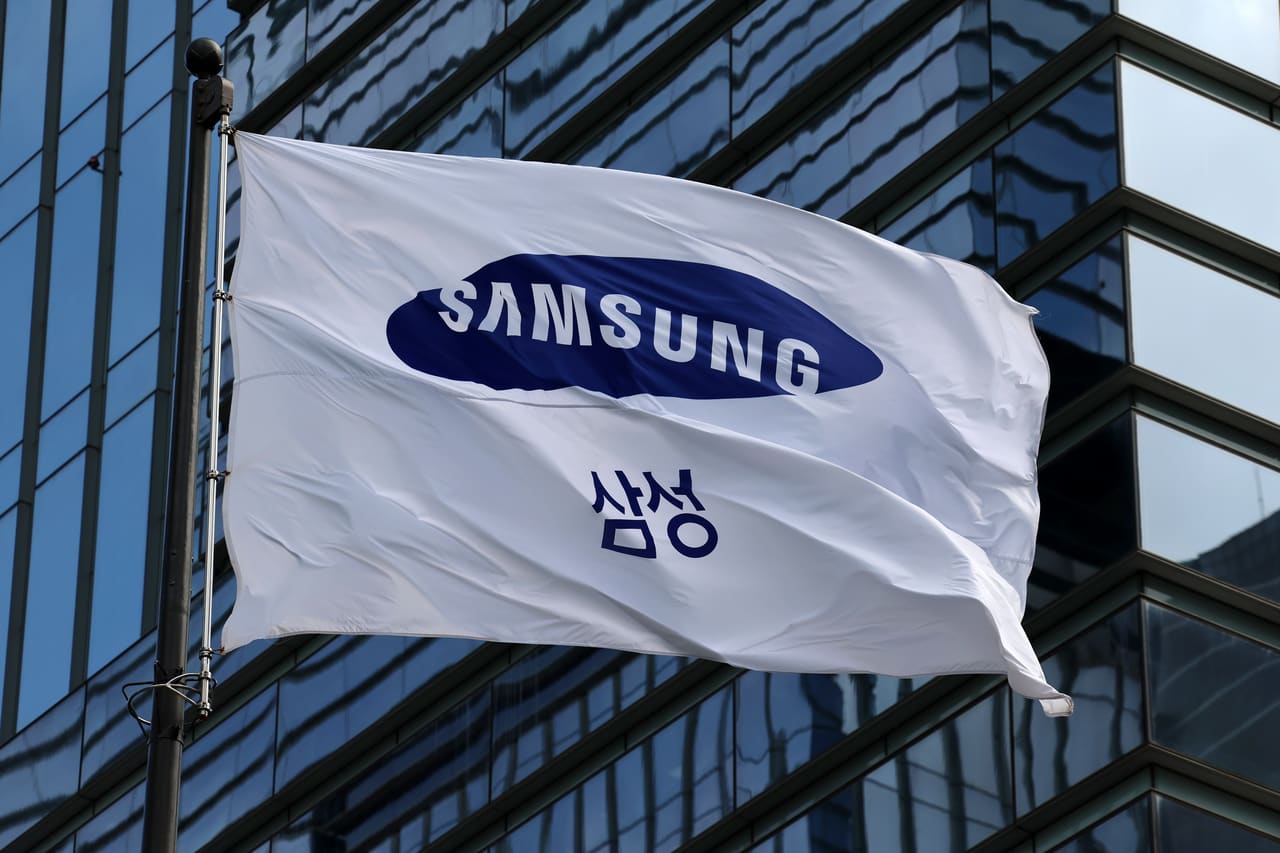
Samsung Life Insurance and Samsung Fire & Marine Insurance together delivered 3.27 trillion won ($2.3 billion) in net profit during the first half of 2026, both recording double-digit percentage increases despite operating on fundamentally different revenue models.
The results underscore the strength of Korea's largest insurance conglomerate while highlighting how life and property segments respond to distinct market forces across the peninsula's financial landscape.
Life Division Surges
Samsung Life reported net profit attributable to controlling shareholders of 1.89 trillion won, a 35.8 percent jump from the prior-year period, according to the company's disclosure. Consolidated net profit reached 1.97 trillion won, climbing 33.8 percent year-on-year.
The life insurer's performance reflects Korea's aging demographics and rising demand for retirement products, as household savings increasingly flow into long-term insurance vehicles amid low bank deposit rates. Samsung Life has expanded its protection-oriented product lineup while managing a massive investment portfolio sensitive to interest rate movements.
The firm controls roughly a quarter of Korea's life insurance market by premium volume, competing directly with Hanwha Life and Korea Life in a sector where scale and brand trust drive policyholder retention.
Property Arm's Distinct Path
Samsung Fire & Marine, the conglomerate's property and casualty unit, posted separate results that showed growth driven by auto insurance repricing and improved loss ratios in commercial lines. The property insurer operates in a more cyclical segment, where quarterly underwriting performance swings with claim frequency and catastrophe events.
Korea's property insurance sector has benefited from regulatory approval of premium increases in motor insurance, the largest single line, after years of underwriting losses forced carriers to seek rate relief. Claims inflation from rising repair costs and medical expenses had squeezed margins across the industry.
Samsung Fire competes with DB Insurance and Hyundai Marine & Fire in a market where telematics adoption and direct-to-consumer channels are reshaping distribution economics.
Investment Returns in Focus
Both insurers manage large fixed-income portfolios sensitive to Korea's monetary policy cycle. The Bank of Korea has held rates steady in recent quarters, providing relative stability in bond valuations after the volatility of 2024 and 2025.
Samsung Life's investment income benefits from duration positioning in government and corporate bonds, while Samsung Fire focuses on shorter-duration assets to match liability profiles in property lines. Equity holdings and alternative investments contribute smaller but more volatile portions of total returns.
The combined asset base of the two insurers exceeds 400 trillion won, making investment strategy a critical driver of bottom-line performance beyond underwriting results.
Regional Competitive Context
Korea's insurance sector remains among the most developed in Asia, with penetration rates above regional averages and sophisticated product offerings. However, growth has slowed as the domestic market matures, pushing larger carriers to explore expansion in Vietnam, Indonesia, and India.
Samsung's insurance arms face intensifying competition from digital-first challengers and bancassurance models, particularly in simpler product categories where customer acquisition costs favor online channels. Traditional agency networks still dominate high-value life policies, but the margin advantage is narrowing.
Regulatory scrutiny on sales practices and product transparency has increased compliance costs, while new capital rules under Korea's insurance solvency framework require higher buffers. These structural shifts favor scale players like Samsung that can spread fixed costs across large premium bases.
Outlook and Market Positioning
The divergent earnings drivers between life and property segments provide the Samsung insurance group with natural diversification, cushioning consolidated results when one division faces headwinds. Life premiums tend to be stable and recurring, while property underwriting is more cyclical but offers faster repricing ability.
Analysts expect Samsung Life to maintain momentum if interest rates remain above historical lows, supporting spread income on new policy sales. Samsung Fire's trajectory depends on claims experience and the pace of premium increases in competitive lines like auto and homeowners coverage.
Both units will report detailed second-quarter breakdowns in coming weeks, offering insight into how investment yields and underwriting margins trended through the spring. The combined strength positions Samsung as Korea's dominant insurance franchise, with capital flexibility to pursue inorganic growth or return cash to shareholders as market conditions evolve.
RELATED STORIES
South Korea Targets 36 Firms Under Stricter Delisting Standards
Cheng Wei-Lun · 3 min
Seoul's KOSPI Climbs 3.2% on Semiconductor Rally
Cheng Wei-Lun · 3 min

Washington's Yen Intervention Signals Broader Currency Pressure Across Asia
Priyanka V. Rao · 4 min
South Korea's Short Sellers Pile In as Tech Rebound Gathers Steam
Cheng Wei-Lun · 2 min
Spot something wrong? Email editor@briefasia.com. We log every correction publicly.