Technology · Products
Samsung Positions Galaxy Z8 as Comfort-First Foldable After Seven Years of Data
The Korean tech giant says its latest foldable series prioritizes everyday usability over form, drawing on user feedback accumulated since 2019.
KEY TAKEAWAYS
- ·Samsung Electronics introduced its Galaxy Z8 foldable series with a design philosophy centered on everyday comfort, informed by seven years of development and user data.
- ·The shift comes as Chinese rivals including Huawei, Oppo, and Xiaomi release thinner, lighter foldables that challenge Samsung's early market lead in Asia.
- ·Samsung has not disclosed launch timing, pricing, or technical specifications, but the emphasis on usability suggests refinements in weight, hinge feel, and ergonomics.
A New Design Philosophy
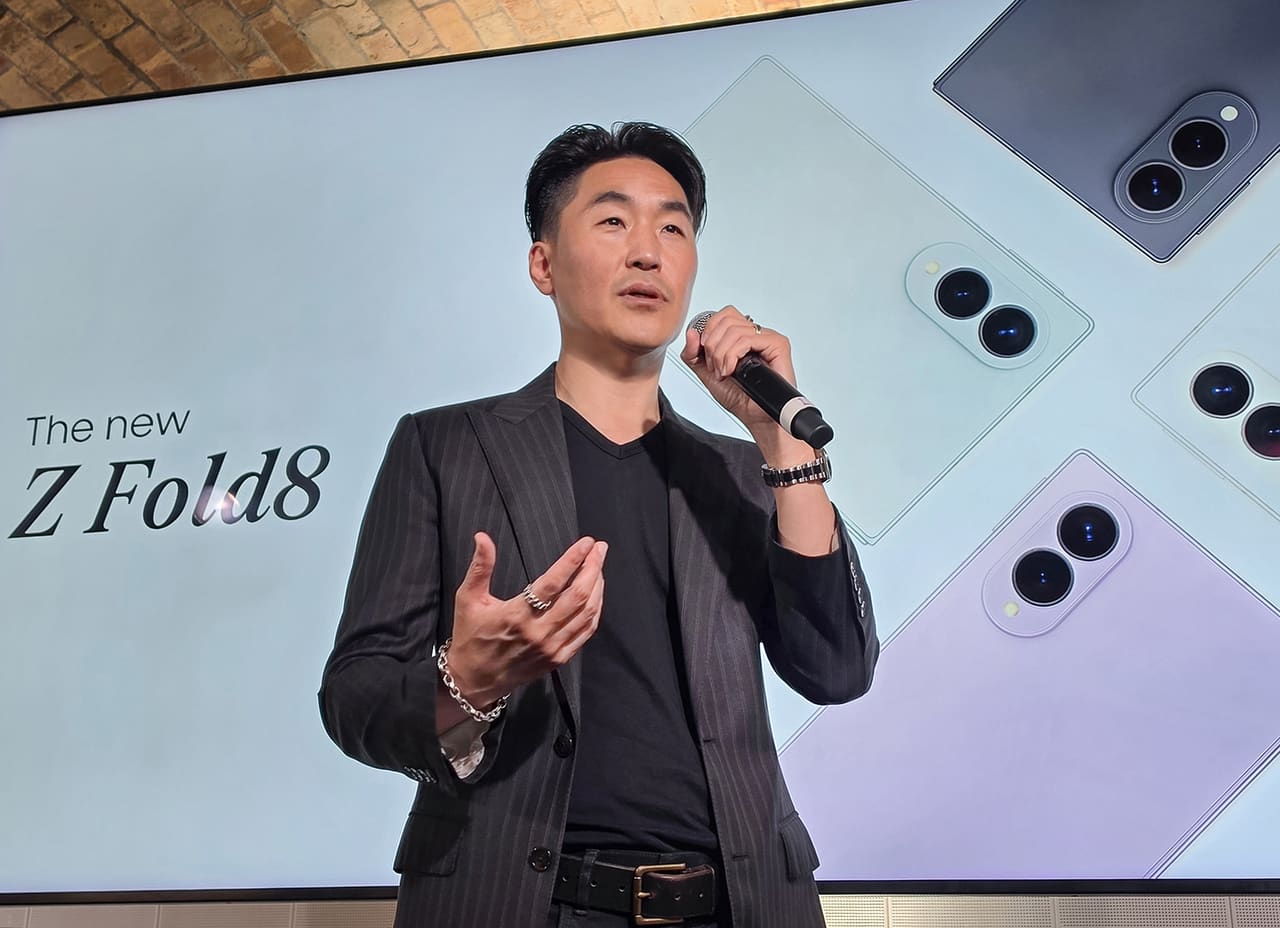
Samsung Electronics has unveiled its approach to the Galaxy Z8 foldable smartphone series, signaling a strategic pivot toward everyday comfort rather than the novelty that defined earlier generations. Speaking at a design briefing in London, Hubert Lee, who leads the Mobile eXperience design team, explained that the latest iteration reflects lessons learned across seven years of foldable development and extensive analysis of how users actually interact with these devices.
The company launched its first commercial foldable in 2019, and each subsequent generation has brought incremental refinements to hinge mechanics, screen durability, and form factor. The Z8 series, according to Lee, represents a maturation point where Samsung believes it can establish what foldable design should prioritize moving forward.
Data-Driven Iteration
Samsung has collected behavioral data from millions of foldable users since the Galaxy Fold debuted. That corpus now informs decisions about weight distribution, crease visibility, grip ergonomics, and how often people unfold their devices throughout the day. Lee emphasized that accumulated insights, rather than engineering novelty alone, shaped the Z8's design language.
The company has not disclosed specific dimensions or technical specifications for the Z8 series, but the emphasis on comfort suggests adjustments to thickness, hinge resistance, and possibly materials that reduce hand fatigue during prolonged use. Earlier models faced criticism for being too bulky or awkward to hold one-handed, a trade-off users tolerated in exchange for the larger unfolded screen.
Asia's Foldable Race
Samsung's renewed focus comes as competition in the foldable segment intensifies across Asia. Chinese manufacturers including Huawei, Oppo, Vivo, and Xiaomi have all released thinner, lighter foldables over the past two years, eroding Samsung's early lead in both technology and market share. Huawei's Mate X series and Oppo's Find N line have been particularly praised for their hinge engineering and reduced crease prominence.
In South Korea, Samsung still dominates the premium smartphone market, but foldables remain a niche segment even domestically. Pricing remains the largest barrier, with most foldables retailing above 1.5 million won. The Z8 series will need to balance design refinement with cost control if Samsung hopes to expand the category beyond early adopters and corporate buyers.
The Comfort Gambit
By framing the Z8 around comfort, Samsung is making a bet that foldables have moved beyond the proof-of-concept phase and must now compete on the same usability metrics as traditional slabs. That means all-day wearability in a pocket, one-handed operation when folded, and a screen experience that does not constantly remind users they are using a foldable.
Whether this message resonates will depend heavily on execution. If the Z8 series delivers tangible improvements in weight, thickness, and hinge feel, it could reset expectations for the category. If the changes are marginal, competitors with more aggressive form factors may continue to chip away at Samsung's lead.
What Comes Next
Samsung has not announced a launch date or regional availability for the Z8 series, though the company typically unveils new foldables in the third quarter. Pricing, battery capacity, camera specifications, and chipset details remain undisclosed. The design briefing in London suggests a global rollout is planned, with Europe and Asia likely to be priority markets given foldable adoption trends.
The broader question is whether prioritizing comfort can drive mass-market adoption. Foldables still account for less than 2 percent of global smartphone shipments, and Samsung's ability to grow that share will hinge on whether users see the Z8 as a daily driver rather than a premium curiosity.
RELATED STORIES

Samsung Display Restarts Asan OLED Campus as Foldable Phones Stage Recovery
Cheng Wei-Lun · 4 min
Samsung and SK Hynix Turn Down KEPCO's Multibillion-Dollar Prepayment Demand
Cheng Wei-Lun · 4 min

South Korea Taps Three Telecom Giants to Deliver Free AI Services Nationwide
Cheng Wei-Lun · 3 min

Samsung's Device Division Reports First Quarterly Loss as Chip Costs Surge
Cheng Wei-Lun · 3 min
Spot something wrong? Email editor@briefasia.com. We log every correction publicly.