Technology · Dev
Samsung Eyes Novatek for Galaxy S28 Ultra Display Chips
The South Korean electronics giant is considering breaking System LSI's exclusive grip on flagship smartphone display driver ICs, potentially opening the door to Taiwan's largest independent DDI supplier.
KEY TAKEAWAYS
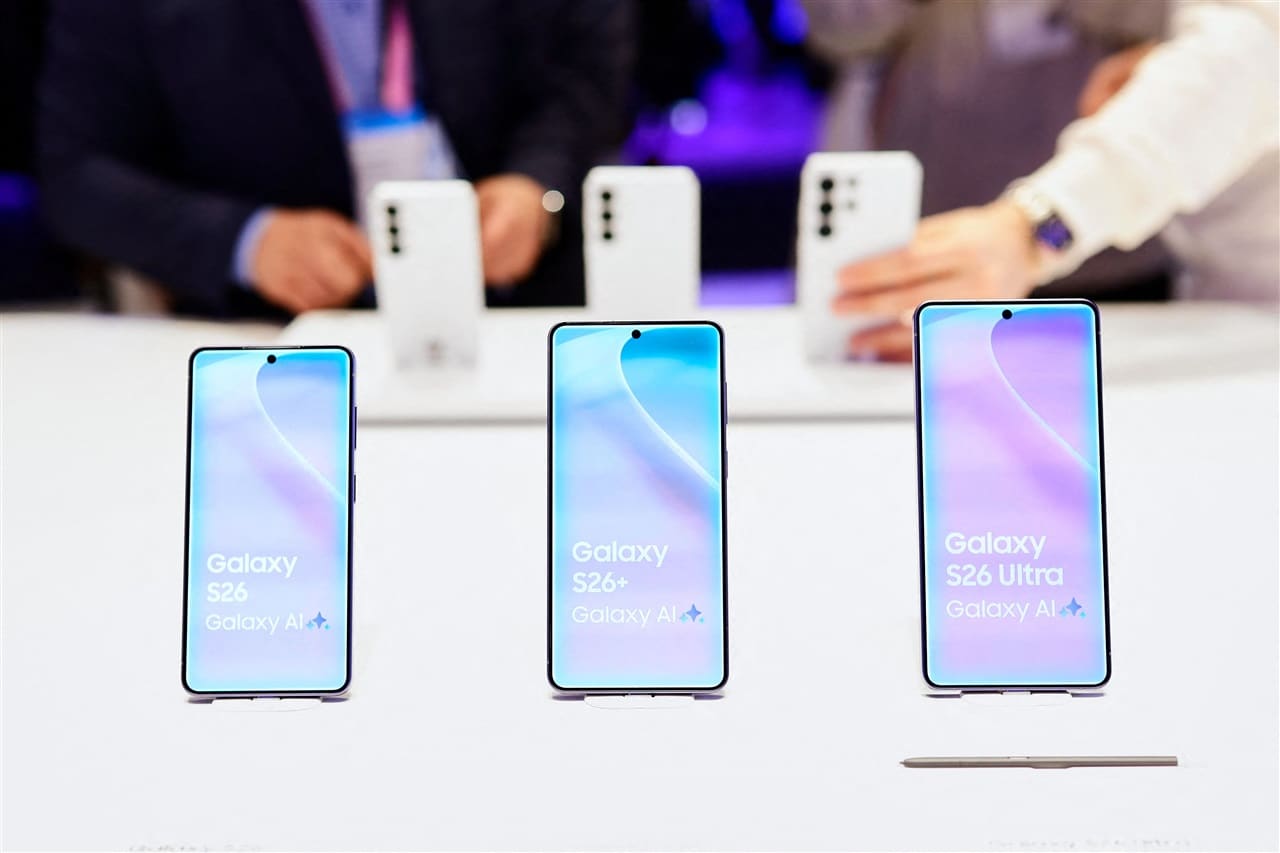
- ·Samsung Electronics is exploring adding Novatek Microelectronics as a display driver IC supplier for the Galaxy S28 Ultra, which would end System LSI's exclusive arrangement on the flagship line.
- ·The potential shift reflects pressure to cut component costs and reduce supply risk, while Taiwan's DDI industry has closed the performance gap with in-house solutions.
- ·A Samsung-Novatek partnership would validate the Taiwanese supplier's technology at the premium tier and test how Samsung balances internal versus external sourcing across its device portfolio.
A Rare Opening in Samsung's Closed Loop
Samsung Electronics is exploring whether to bring Novatek Microelectronics into the supply chain for its Galaxy S28 Ultra display driver integrated circuits, according to Samsung. The move would mark the first time an external vendor has supplied DDIs for the flagship Galaxy S series, breaking the exclusive arrangement that has kept the business inside System LSI, Samsung's semiconductor division, for years.
Display driver ICs sit between a smartphone's processor and its screen, translating digital signals into the voltages that illuminate individual pixels. For premium devices with high refresh rates and complex display features, DDI performance directly affects battery life, color accuracy, and responsiveness. Samsung has historically kept DDI design and supply in-house for its top-tier models, a vertical integration strategy that offers tighter control but limits competitive pressure on cost and innovation.
Novatek, headquartered in Hsinchu, is Taiwan's largest independent DDI designer and a major supplier to Chinese smartphone makers and display panel manufacturers. The company has built expertise in drivers for OLED and high-refresh-rate screens, segments where Samsung's Galaxy Ultra models compete. Opening the S28 Ultra program to Novatek would give Samsung a second source, potentially reducing per-unit costs and mitigating supply risk if System LSI faces capacity or yield issues.
What Drives the Shift
The timing suggests Samsung is weighing trade-offs between internal loyalty and external flexibility. System LSI has faced margin pressure across several product lines, and Samsung's mobile division has been vocal about the need to cut component costs as the smartphone market matures. Bringing in an outside DDI supplier could serve as both a cost lever and a signal to System LSI that exclusivity is no longer guaranteed.
Taiwan's DDI industry has also narrowed the performance gap with in-house solutions. Novatek has invested in advanced process nodes and co-packaging techniques that allow tighter integration with OLED panels, a capability Samsung would need for the S28 Ultra's expected display specifications. If Novatek can meet Samsung's quality benchmarks at a lower price, the business case for diversification becomes straightforward.
There is precedent for Samsung opening supply chains selectively. The company already sources power management ICs, RF components, and certain memory modules from external vendors when internal capacity is constrained or when outside suppliers offer clear advantages. Extending that logic to DDIs would be a natural evolution, though it carries symbolic weight given the flagship status of the Ultra line.
Implications for the Regional Supply Web
A Samsung-Novatek partnership would ripple through the Asia-Pacific semiconductor ecosystem. For Novatek, winning a slot in the Galaxy S28 Ultra would validate its technology against the highest performance tier and likely open doors to other premium Android brands. The company's revenue is concentrated in the mid-range smartphone and automotive display segments; a flagship design win would diversify that base and lift average selling prices.
For System LSI, the threat is both immediate and structural. Losing exclusivity on the Ultra DDI program would shrink revenue and signal that Samsung's mobile division is willing to bypass internal suppliers when external options are compelling. That dynamic could extend to other component categories where System LSI competes with Qualcomm, MediaTek, and other Asia-based chip designers.
The broader supply chain would also feel the shift. If Samsung splits DDI orders between System LSI and Novatek, foundry capacity at Taiwan Semiconductor Manufacturing Company or Samsung Foundry could see incremental demand, depending on where Novatek sources its wafers. Packaging and testing houses in Taiwan and South Korea would compete for the additional volume, tightening capacity in the advanced packaging segment that already serves AI accelerators and high-performance computing chips.
What Comes Next
Samsung has not disclosed a timeline for the decision, and the S28 Ultra is not expected to launch until early 2028. That leaves roughly eighteen months for Novatek to complete design validation, secure foundry slots, and ramp production if Samsung proceeds. Industry practice suggests Samsung would start with a small allocation to test yield and quality before committing to volume orders.
The move also sets up a test case for how Samsung balances internal and external sourcing across its device portfolio. If the Novatek experiment succeeds, other component categories could follow. If it stumbles, System LSI's position as the default supplier would be reinforced. Either outcome will shape how Asia's largest electronics conglomerate structures its supply chain in the next hardware cycle.
RELATED STORIES
South Korea Mobilizes Conglomerates for Humanoid Robot Push
Cheng Wei-Lun · 3 min
SK Hynix Eyes Stake Sale in $3 Billion China Packaging Facility
Cheng Wei-Lun · 2 min
South Korea's Danuri Orbiter Photographs SpaceX Rocket Impact on Moon's Far Side
Cheng Wei-Lun · 4 min
Posco Future M Lands 190,000-Ton LFP Cathode Contract in Energy Storage Push
Jun-ho Seo · 3 min
Spot something wrong? Email editor@briefasia.com. We log every correction publicly.