Technology · Dev
Posco Future M Lands 190,000-Ton LFP Cathode Contract in Energy Storage Push
South Korean materials producer inks six-year supply agreement with domestic battery maker as North American ESS demand accelerates plant conversion strategy
KEY TAKEAWAYS
- ·Posco Future M signed a six-year agreement to supply more than 190,000 metric tons of lithium iron phosphate cathodes to a Korean battery maker from 2027 through 2032.
- ·The contract follows the company's conversion of part of its Pohang high-nickel cathode line to LFP production, targeting North American energy storage system demand.
- ·The deal highlights Korean battery suppliers' push to diversify away from Chinese LFP dominance and capture stationary storage market growth.
Breaking into LFP Territory
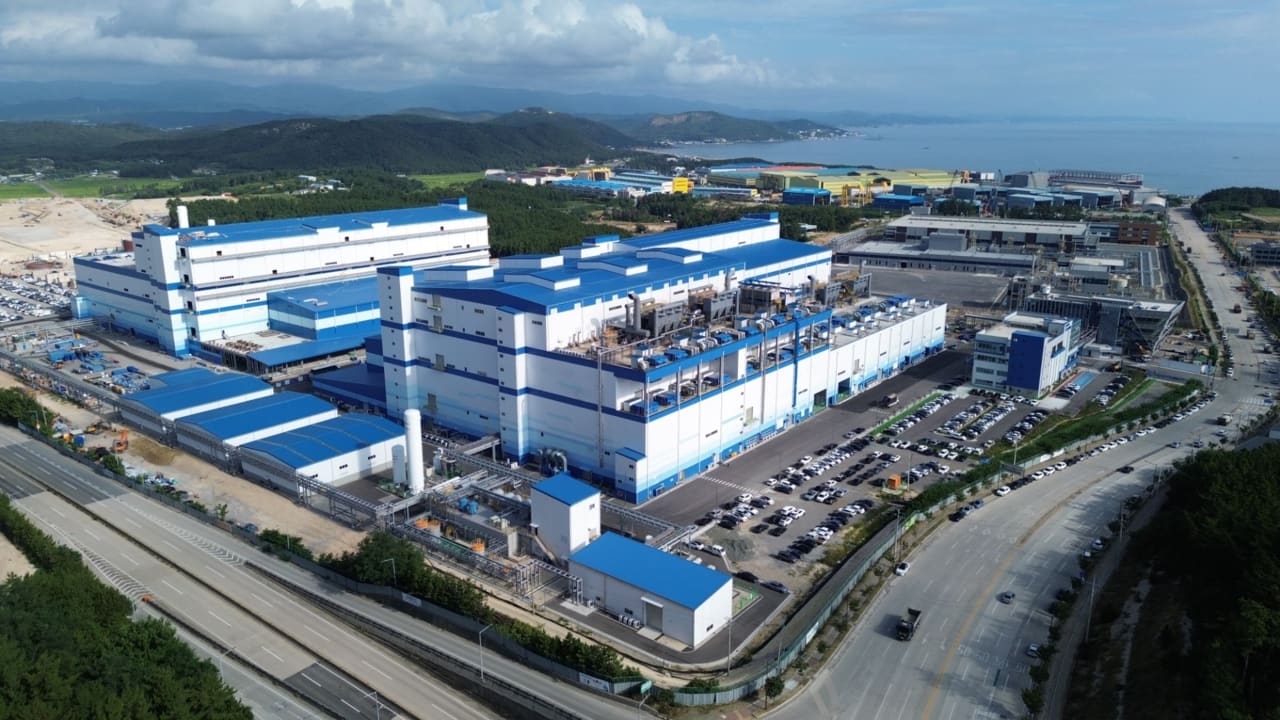
Posco Future M has locked in its inaugural large-scale lithium iron phosphate cathode order, a six-year commitment to deliver more than 190,000 metric tons to an unnamed Korean battery manufacturer between 2027 and 2032. The agreement marks a strategic pivot for the South Korean materials supplier, which has historically concentrated on high-nickel chemistries for electric vehicle applications.
The contract comes roughly a year after Posco Future M announced plans to repurpose a portion of its Pohang facility in North Gyeongsang Province, shifting production capacity from nickel-rich cathodes toward LFP materials. That decision reflected a broader recalibration across Asia's battery supply chain, driven by the rapid expansion of utility-scale energy storage installations in North America and the cost advantages LFP offers over nickel-cobalt alternatives.
Why Energy Storage Is Reshaping Cathode Economics
Lithium iron phosphate cathodes deliver lower energy density than high-nickel variants, which has limited their appeal in premium electric vehicles where range and weight matter. But for stationary energy storage systems, those trade-offs matter less. Grid-scale battery projects prioritize safety, cycle life, and upfront cost, three areas where LFP excels. The chemistry's thermal stability reduces fire risk, and its ability to endure thousands of charge-discharge cycles translates into longer asset lifespans for utilities and project developers.
North American demand for energy storage has climbed sharply over the past eighteen months, fueled by federal tax incentives, state renewable portfolio standards, and transmission bottlenecks that make battery buffers economically attractive. That surge has created a pull effect across the Pacific, prompting cathode producers in South Korea, Japan, and China to either build new LFP lines or retrofit existing nickel-based capacity.
Posco Future M's Pohang conversion is a calculated hedge. The company retains its core high-nickel business for automotive clients while carving out a foothold in the faster-growing stationary segment. The six-year tenor of the new supply agreement provides revenue visibility and justifies the capital outlay required to reconfigure production equipment and secure raw material feedstock.
Supply Chain Implications
The deal also underscores the increasing verticalization of Korea's battery ecosystem. By sourcing LFP cathodes domestically, Korean cell manufacturers can shorten lead times, reduce exposure to Chinese supply dominance, and potentially qualify for local-content incentives under U.S. manufacturing rules. China controls the majority of global LFP production, and geopolitical friction has made diversification a strategic priority for Seoul-based battery makers.
Posco Future M benefits from its parent group's upstream positions in lithium and other raw materials, which should help the company manage input cost volatility as it ramps LFP output. The firm has not disclosed pricing terms or the identity of its battery customer, though the tonnage involved suggests a multi-gigawatt-hour ESS pipeline over the contract period.
What Comes Next
The Pohang line is expected to begin commercial LFP shipments in 2027, aligning with the first deliveries under the new agreement. Industry observers will watch whether Posco Future M pursues additional conversions at other facilities or opts to build greenfield LFP capacity if demand trajectories hold. The company's ability to balance automotive nickel cathode commitments with the emerging stationary storage opportunity will shape its competitive position as the battery materials landscape continues to fragment by chemistry and application.
For now, the contract represents a tangible validation of the energy storage thesis and a meaningful revenue stream for a producer that has spent the past decade optimizing for the electric vehicle market. Whether that bet pays off will depend on how quickly North American ESS deployment scales and whether Korean cathode suppliers can match the cost structures of their Chinese counterparts.
RELATED STORIES
Posco Future M Rolls Out AI Strategy Across Battery Materials Production
Jun-ho Seo · 3 min
South Korea Mobilizes Conglomerates for Humanoid Robot Push
Cheng Wei-Lun · 3 min
SK Hynix Eyes Stake Sale in $3 Billion China Packaging Facility
Cheng Wei-Lun · 2 min
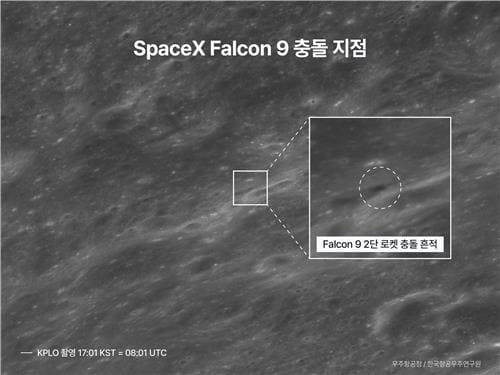
South Korea's Danuri Orbiter Photographs SpaceX Rocket Impact on Moon's Far Side
Cheng Wei-Lun · 4 min
Spot something wrong? Email editor@briefasia.com. We log every correction publicly.