Sustainability · Energy
Samsung and Erex Target Japan's AI Power Crunch With Biomass Plant
Special-purpose facility aims to deliver stable renewable capacity to data centers by fiscal 2029, sourcing fuel from Southeast Asia
KEY TAKEAWAYS
- ·A Samsung Group trading arm and Erex will build a biomass power plant in Japan targeting data center demand, with operations planned by fiscal 2029.
- ·The facility will source biomass fuels primarily from Southeast Asia and operate under a special-purpose company structure to provide stable renewable power.
- ·Japan's power companies are building or upgrading around 30 substations to meet surging electricity needs driven by artificial intelligence infrastructure.
Betting on Biomass for the AI Era
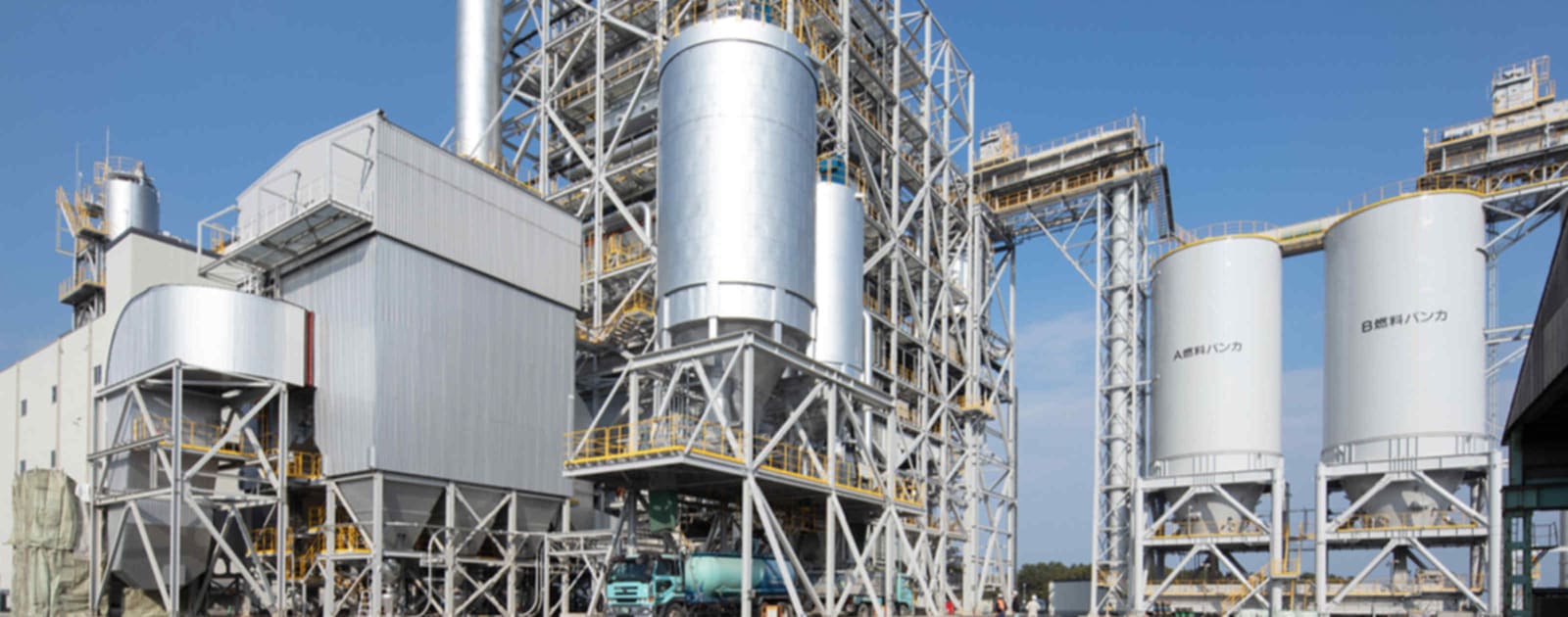
A Samsung Group trading subsidiary and Erex, one of Japan's major electricity providers, have announced plans to construct a biomass power plant designed to meet the rising energy needs of data centers driven by artificial intelligence workloads. The facility, scheduled to begin operations by fiscal 2029, represents a strategic response to Japan's escalating power demands as cloud computing and machine learning infrastructure expand across the archipelago.
The plant will operate under a special-purpose company structure, with biomass fuels sourced primarily from Southeast Asia, according to Erex. The partnership combines Samsung's supply chain reach with Erex's experience in Japan's renewable energy market, positioning the venture to address what both companies see as a critical infrastructure gap.
Renewable Stability in a Strained Grid
Japan's electricity grid faces mounting pressure as data center operators seek locations with reliable power and cooling infrastructure. Traditional renewable sources such as solar and wind face intermittency challenges, creating demand for baseload alternatives that can deliver consistent output. Biomass power, which burns organic material to generate electricity, offers a dispatchable renewable option that can operate around the clock.
The timing aligns with broader infrastructure planning across Japan. Domestic power companies have announced intentions to build or upgrade approximately 30 substations to accommodate AI-related electricity demand, signaling industry-wide recognition of the supply constraints ahead. Data center developers have identified stable, low-carbon power as a bottleneck in site selection, particularly as corporate sustainability commitments push operators toward renewable energy procurement.
Southeast Asia's Role in the Fuel Chain
The decision to source biomass feedstock largely from Southeast Asia reflects both economic and logistical considerations. The region produces substantial volumes of palm oil residues, wood pellets, and agricultural waste that can be converted into power-generation fuel. Japan has limited domestic biomass resources relative to its energy consumption, making imports a necessary component of any large-scale biomass strategy.
This supply chain arrangement also ties the project into broader regional trade flows. Southeast Asian nations have been developing biofuel industries as part of energy diversification efforts, with countries such as Vietnam accelerating biofuel initiatives amid rising oil import risks. The Erex-Samsung venture stands to benefit from these emerging export channels, though it will also face competition from other buyers seeking similar feedstock.
Asia's Data Center Arms Race
The plant is part of a wider pattern across Asia, where governments and private players are racing to build out digital infrastructure. TikTok's construction of a massive data center in Brazil, though outside the region, underscores the global scale of investment in computing capacity. Within Asia, Singapore, Tokyo, Seoul, and emerging hubs such as Jakarta are all vying for data center capital, with power availability increasingly a deciding factor.
Japan's regulatory environment has also shifted to encourage offshore investment in energy infrastructure. New investment rules have opened pathways for international partners in offshore wind and other renewable projects, creating a more favorable climate for joint ventures such as the Samsung-Erex collaboration. The biomass plant can be seen as a hedge against uncertainty in other renewable sectors; BP recently weighed exiting an offshore wind project in northern Japan, highlighting the commercial and technical challenges in marine renewables.
Fiscal 2029 and the Long Build Cycle
The target date of fiscal 2029 reflects the extended timelines inherent in power plant development. Permitting, financing, equipment procurement, and construction for a biomass facility typically span several years, particularly when international fuel supply chains must be established concurrently. For data center operators planning expansions, this timeline means that power purchase agreements and site commitments will need to be locked in well in advance.
The partnership's ability to meet the 2029 target will depend on navigating Japan's regulatory approval processes, securing long-term fuel contracts, and coordinating construction in a market where labor and materials are in high demand. If successful, the plant will offer a model for other developers seeking to pair renewable generation with data center loads in Asia's power-constrained markets.
RELATED STORIES
Minebea Mitsumi Halts Acquisitions to Prioritise AI Component Demand
Cheng Wei-Lun · 3 min
Japan's Property Firms Pivot to Data Centre Build-Out
Aiko Nakamura · 3 min
ABN Amro Clearing to Break Into Japan's Power Futures Market
Tran Quoc Bao · 3 min
Japan's August Exports Rise 19.3% on Semiconductor Demand
Aiko Nakamura · 3 min
Spot something wrong? Email editor@briefasia.com. We log every correction publicly.