Technology · AI
Minebea Mitsumi Halts Acquisitions to Prioritise AI Component Demand
Japanese precision parts maker shifts strategy as ball bearing orders surge from AI server and robotics manufacturers
KEY TAKEAWAYS
- ·Minebea Mitsumi has suspended its acquisition strategy to focus on surging ball bearing orders from AI server cooling systems and humanoid robot manufacturers.
- ·The company produces over 300 million ball bearings monthly, with lead times extending from eight to twelve weeks due to supply tightness in custom specifications.
- ·The strategic shift reflects confidence that existing capacity can capture AI-driven demand without requiring external acquisitions or new technology capabilities.
Strategic Pause on Dealmaking
Minebea Mitsumi has decided to put its acquisition programme on hold as the Japanese precision components manufacturer redirects resources toward meeting accelerating demand from artificial intelligence infrastructure builders and robotics firms.
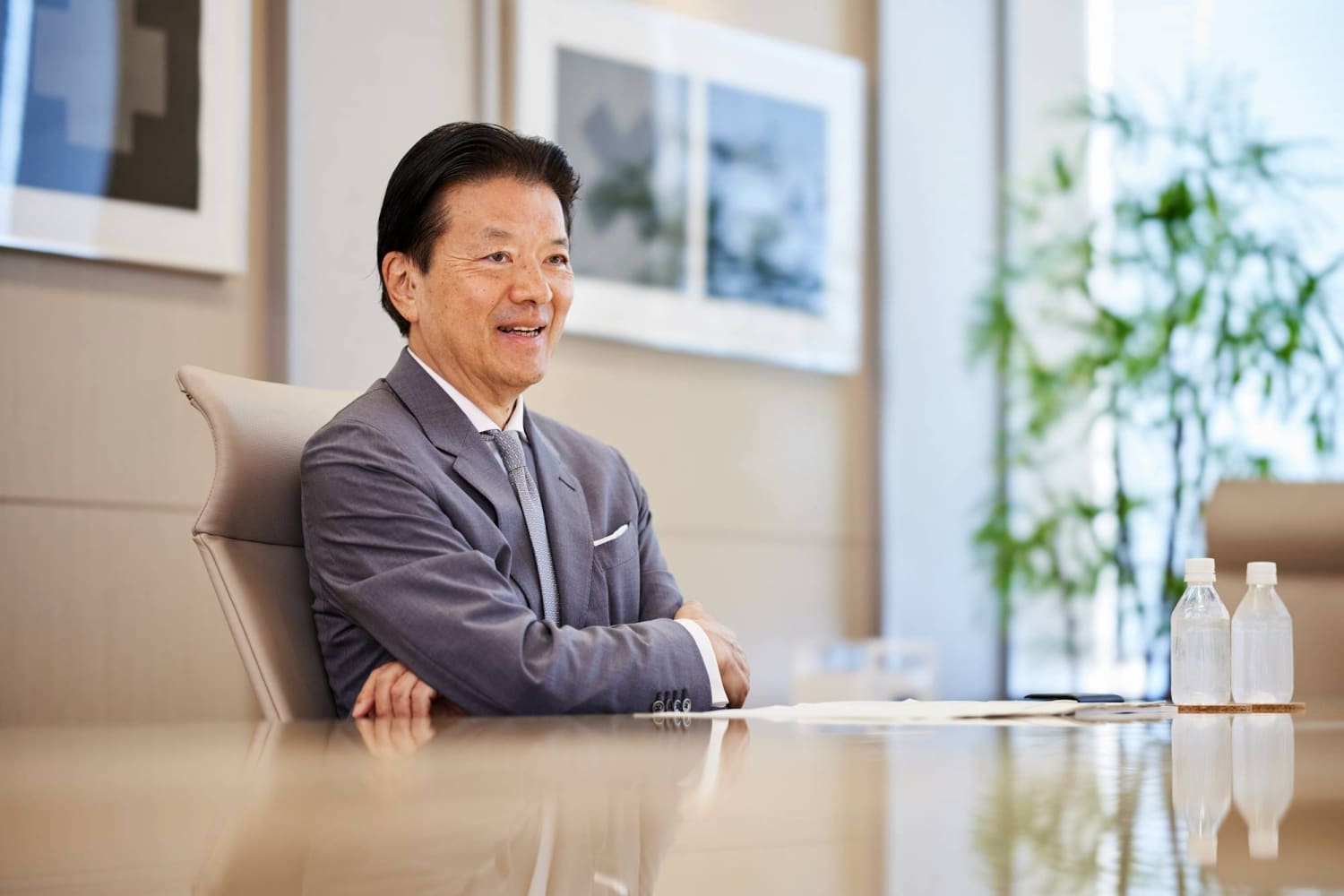
Chairman Yoshihisa Kainuma announced the shift, pointing to a significant uptick in orders for the company's ball bearings, which are critical components in AI server cooling fans and the articulated joints of humanoid robots. The decision marks a departure from the company's historically active dealmaking posture in favour of maximising returns from existing production capacity.
The move reflects a broader recalibration among Japanese industrial suppliers as AI infrastructure buildout creates unexpected bottlenecks in what were previously considered mature, commoditised component categories. Ball bearings, long viewed as a low-margin staple, are experiencing renewed demand intensity as hyperscale data centres and robotics manufacturers compete for reliable supply.
AI Infrastructure Drives Component Hunger
The surge in ball bearing orders stems from two distinct but concurrent trends. First, the proliferation of high-density AI server deployments has increased thermal management requirements, driving demand for more sophisticated and higher-volume cooling fan assemblies. Each rack of AI accelerators can house dozens of fans, each requiring multiple precision bearings rated for continuous operation under thermal stress.
Second, the emerging humanoid robotics sector, led by firms in China, the United States, and Japan, requires miniaturised ball bearings capable of withstanding repetitive motion cycles in joint assemblies. Unlike industrial robots with limited degrees of freedom, humanoid platforms demand hundreds of bearings per unit, creating a step-change in volume requirements as production scales.
Minebea Mitsumi's position as one of the world's largest ball bearing manufacturers, with monthly output exceeding 300 million units, gives it scale advantages in serving both markets simultaneously. The company's vertical integration, spanning steel sourcing through final assembly, allows tighter quality control than competitors reliant on outsourced grinding and finishing.
Organic Growth Over Inorganic Expansion
The decision to pause acquisitions suggests management confidence that current capacity and technology can capture the AI-driven demand wave without requiring external capabilities. It also reflects capital allocation discipline in an environment where integration risks and valuation multiples may outweigh the benefits of geographic or product line expansion.
For Minebea Mitsumi, which has historically pursued growth through targeted acquisitions in adjacent component categories, the shift implies that internal capital expenditure on production line expansion and automation will take precedence over dealmaking in the near term. The company has not disclosed a specific timeline for resuming acquisition activity.
The strategic pivot also carries implications for smaller precision component suppliers across Asia that may have been potential acquisition targets. With one of the region's most active consolidators stepping back, these firms will need to demonstrate standalone growth trajectories or seek alternative buyers.
Regional Implications
Japan's precision manufacturing sector has seen uneven benefits from the AI boom, with some firms struggling to translate legacy expertise into next-generation applications. Minebea Mitsumi's ability to leverage existing ball bearing technology for AI infrastructure positions it as an outlier, capitalising on physical component needs that remain stubbornly resistant to software substitution or miniaturisation beyond certain thresholds.
The company's Karuizawa and Thailand production facilities are expected to absorb much of the incremental volume, with potential expansions in Southeast Asia under consideration if demand trajectories hold. Lead times for custom bearing specifications have extended from eight weeks to twelve in some product lines, indicating supply tightness that could persist through 2027.
As AI infrastructure investment continues to ripple through supply chains, the ability of established component makers to pivot quickly toward emerging applications will determine winners and laggards in what remains a fiercely competitive and price-sensitive market.
RELATED STORIES
Kioxia Rules Out SK Hynix Merger, Focuses on Stabilising Memory Chip Prices
Tran Quoc Bao · 3 min
Kioxia Rules Out SK Hynix Manufacturing Partnership Despite Memory Boom
Jun-ho Seo · 3 min
Preferred Networks Eyes Public Listing to Scale AI Chip Production
Aiko Nakamura · 2 min
Kioxia Pushes Flash Memory to Replace DRAM Amid Market Squeeze
Jun-ho Seo · 3 min
Spot something wrong? Email editor@briefasia.com. We log every correction publicly.