Technology · AI
Kioxia Rules Out SK Hynix Merger, Focuses on Stabilising Memory Chip Prices
Japanese flash memory maker prioritises maintaining elevated pricing levels over potential South Korean partnership as industry consolidation speculation mounts
KEY TAKEAWAYS
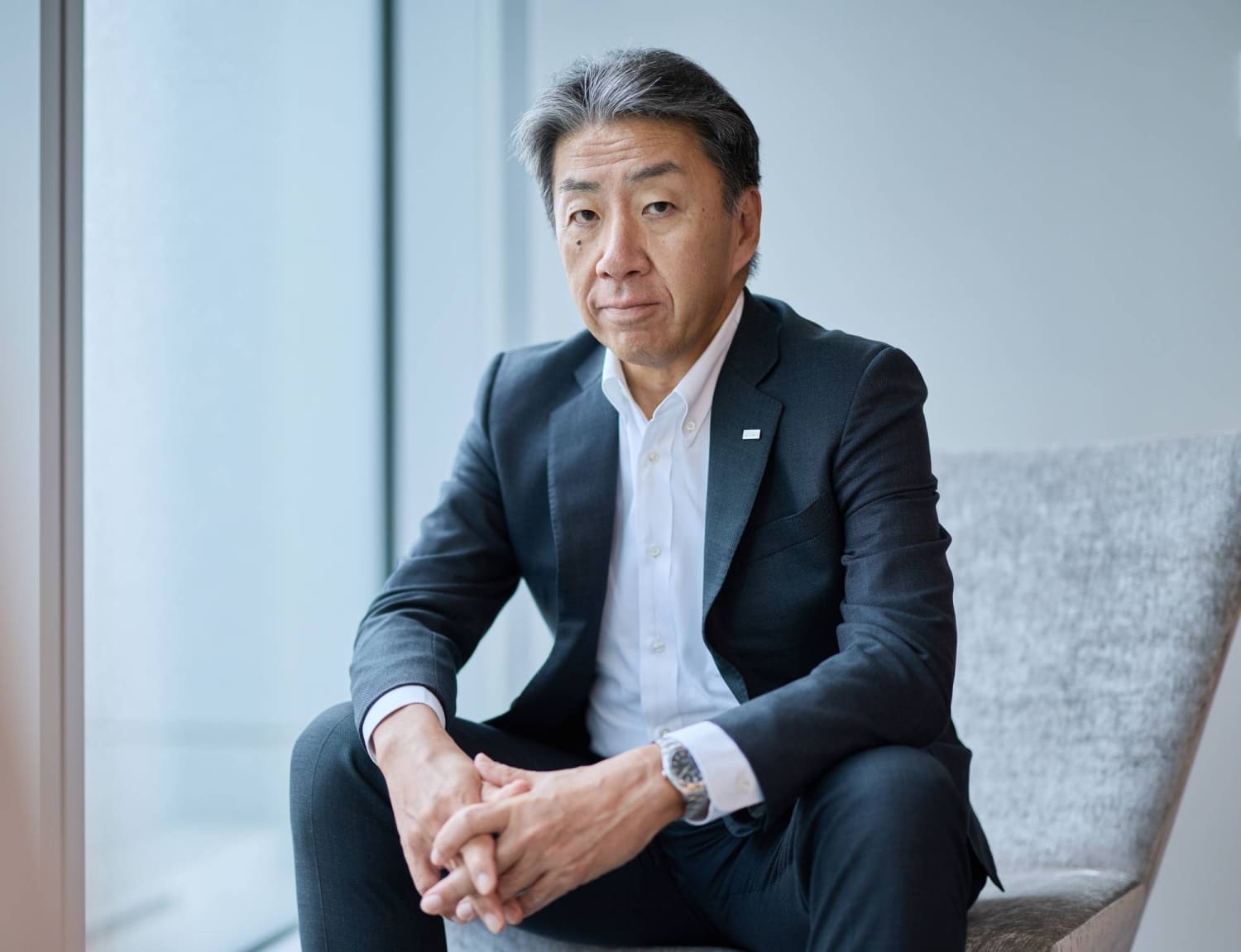
- ·Kioxia chief executive Hiroo Ota has dismissed speculation of a merger with SK Hynix, signalling the Japanese chipmaker will pursue an independent strategy.
- ·The company is prioritising the stabilisation of current elevated chip prices rather than pursuing further increases, reflecting concerns about fragile supply-demand dynamics.
- ·Memory chip prices have risen over 40 per cent year-on-year through mid-2026, but Kioxia faces pressure to balance profitability with the risk of weakening demand from price-sensitive customers.
Strategic Independence
Kioxia has rejected the prospect of a partnership with SK Hynix, the South Korean memory chip manufacturer, as the Japanese firm charts a course centred on market stability rather than consolidation. Chief executive Hiroo Ota made clear that any tie-up with the Korean rival is off the table for now, steering attention instead toward the company's pricing strategy in a volatile semiconductor market.
The statement comes amid persistent speculation about potential consolidation among major memory chip producers. Kioxia, formerly Toshiba Memory, has been the subject of recurring merger and acquisition rumours since its spin-off, with industry watchers pointing to structural oversupply and cyclical pricing pressures as drivers for potential deals. SK Hynix, the world's second-largest memory chipmaker after Samsung, has itself pursued aggressive expansion, including its acquisition of Intel's NAND business in recent years.
Pricing Strategy Takes Precedence
Ota's remarks also addressed the thornier question of where chip prices go from here. While he stopped short of committing to further increases, the executive emphasised that Kioxia's immediate objective is to sustain current elevated price levels rather than push for additional hikes. The comment suggests the company sees recent gains as fragile and worth protecting, particularly as supply-demand dynamics remain uncertain.
Memory chip prices have climbed substantially over the past eighteen months, driven by tighter supply discipline among manufacturers and resilient demand from data centre operators and smartphone makers. NAND flash, Kioxia's core product, saw spot prices rise more than 40 per cent year-on-year through mid-2026, according to industry data. That rally has bolstered margins for producers after a prolonged downturn that forced capacity cuts and delayed capital expenditure across the sector.
Yet the recovery remains uneven. Enterprise customers, particularly hyperscalers building out AI infrastructure, have absorbed higher costs with relative ease, but consumer electronics manufacturers have pushed back against sustained increases. Kioxia's cautious stance reflects this tension, balancing the need to preserve profitability with the risk of demand destruction if prices climb too aggressively.
Asia's Memory Landscape
The broader context is a memory chip industry increasingly defined by scale and technological differentiation. South Korea's Samsung and SK Hynix dominate DRAM, while the NAND market sees more fragmented competition among Kioxia, Western Digital, Samsung, SK Hynix, and Micron. Consolidation has long been viewed as inevitable, particularly as the shift toward advanced nodes and 3D architectures demands heavier R&D spending.
Kioxia's rejection of a SK Hynix deal underscores the strategic and political complexities that continue to stall such moves. Japanese policymakers have historically viewed semiconductor manufacturing as a matter of economic security, particularly as trade tensions with China and shifting US export controls reshape supply chains. A merger with a South Korean player would require navigating not only antitrust scrutiny but also national interest considerations in both Tokyo and Seoul.
For SK Hynix, the rebuff is unlikely to derail its growth trajectory. The company has been investing heavily in high-bandwidth memory products for AI accelerators, a segment where Kioxia has less presence. Its focus remains on HBM and next-generation DRAM rather than NAND consolidation, though the latter would offer diversification benefits.
What Comes Next
Kioxia's path forward hinges on execution in a market where technological leadership and capital efficiency determine winners. The company has been ramping production of its latest 3D NAND generation, targeting density improvements and cost reductions to stay competitive. Its partnership with Western Digital, which shares fabrication facilities in Japan, remains a critical asset, though that alliance too has faced periodic questions about its long-term viability.
The decision to forgo M&A discussions and concentrate on price stability suggests Kioxia is betting on a sustained, if moderate, recovery in memory markets. Whether that proves sufficient in an industry marked by rapid cycles and relentless capex demands will become clearer as 2027 investment plans take shape. For now, the message from Tokyo is unambiguous: Kioxia intends to compete on its own terms.
RELATED STORIES
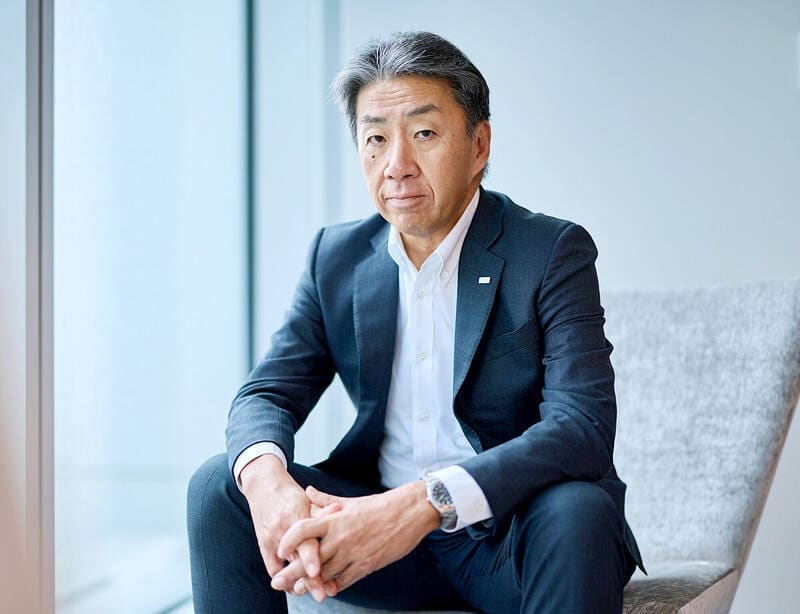
Kioxia Rules Out SK Hynix Manufacturing Partnership Despite Memory Boom
Jun-ho Seo · 3 min
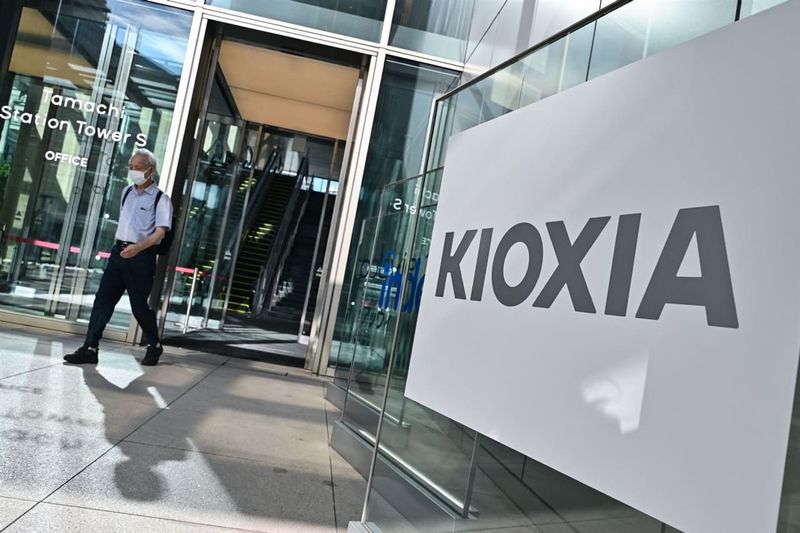
Kioxia Pushes Flash Memory to Replace DRAM Amid Market Squeeze
Jun-ho Seo · 3 min
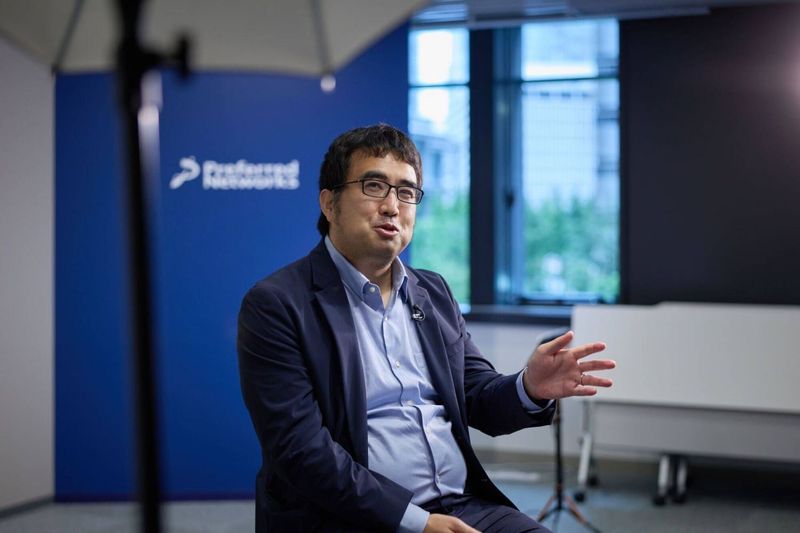
Preferred Networks Eyes Public Listing to Scale AI Chip Production
Aiko Nakamura · 2 min

Fujitsu to Exit Commodity Hardware as AI Shifts Production Strategy
Aiko Nakamura · 4 min
Spot something wrong? Email editor@briefasia.com. We log every correction publicly.