Technology · AI
Kioxia Rules Out SK Hynix Manufacturing Partnership Despite Memory Boom
The Japanese chipmaker's CEO dismisses deeper ties with its South Korean rival, citing antitrust concerns and existing joint ventures, while warning against excessive price increases that could dampen AI demand.
KEY TAKEAWAYS
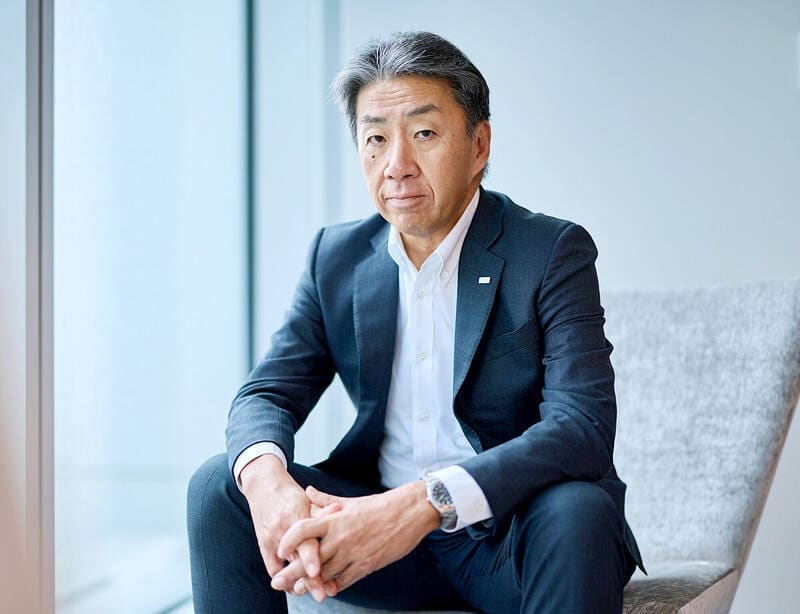
- ·Kioxia CEO Hiroo Ota has ruled out manufacturing collaboration with SK Hynix, citing antitrust obstacles and existing joint ventures with SanDisk.
- ·The Japanese chipmaker plans over $33 billion in capacity expansion with SanDisk but is restraining price increases despite 70 per cent quarterly gains in NAND flash memory.
- ·Kioxia is nearing 50 per cent long-term contract coverage and developing metal-oxide memory technology with Taiwan's Nanya as an alternative to conventional DRAM.
Partnership Off the Table
Kioxia Holdings has shut the door on manufacturing collaboration with SK Hynix, even as memory chip prices surge on the back of artificial intelligence infrastructure buildouts. Chief executive Hiroo Ota said antitrust obstacles and the company's existing joint manufacturing arrangement with SanDisk make any deeper partnership with the South Korean rival impractical.
The statement comes after SK Inc chairman Chey Tae-won floated the possibility of a production tie-up between the two memory makers earlier this month. An SK Hynix representative clarified that Chey's remarks were general observations and that no discussions are underway between the companies.
"We have no idea what prompted him to say what he did," Ota said, adding that the two chipmakers are not in talks about joint production. He dismissed the notion of expanding Kioxia's existing SanDisk arrangement to include a third party: "We can't just say: 'Well then, let's make it three companies.'"
Capital Spending Surge
Memory chip manufacturers are committing enormous sums to expand production capacity as hyperscalers and cloud providers scramble for components to power AI infrastructure. Kioxia and SanDisk are planning more than ¥5 trillion ($33 billion) in combined spending to expand their jointly owned facilities in northern and central Japan. SK Hynix has outlined a 54 trillion won ($40 billion) expansion at home in South Korea, alongside an advanced packaging facility under construction in West Lafayette, Indiana.
The capital intensity has prompted industry observers to consider whether partnerships might help spread risk. Yet the regulatory landscape and existing commitments appear to limit room for consolidation among the top tier of memory producers.
Price Discipline
Ota, who assumed the chief executive role in April, said he has instructed sales teams to exercise restraint on pricing despite tight supply. Kioxia's average NAND flash memory price climbed 70 per cent in the June quarter compared with the prior three months, when prices more than doubled. Another 70 per cent quarterly increase appears unlikely, Ota said.
"Prices have already risen enough," he said. "We would end up hurting our own market and growth if we pushed prices up too much. Even hyperscalers have limited budgets."
The approach reflects concern that runaway pricing could dampen investment appetite among the technology companies driving AI infrastructure spending. Kioxia's priority is to maintain current elevated price levels rather than pursue further increases, according to Ota.
Long-Term Contracts
Demand from large technology providers remains robust, with some seeking supply agreements extending to 2030, Ota said. Kioxia is nearing its target of having 50 per cent of shipment volume covered by long-term contracts, a structure that offers revenue visibility amid volatile spot markets.
The company began shipping its latest 332-layer 10th-generation 3D flash memory in July, targeting high-margin data centre applications. The chips offer higher transmission speeds and efficiency compared with earlier generations.
Technology Diversification
Kioxia is also pursuing alternative memory architectures. The company is developing chips using metal-oxide materials in place of silicon through a research partnership with Taiwan's Nanya Technology. The collaboration, currently limited to development work, aims to produce a viable alternative to conventional DRAM.
"We would consider various options" if the effort yields a commercial product, Ota said.
The diversification push comes as Chinese manufacturer Yangtze Memory Technologies gains market share in lower-margin consumer flash memory. Kioxia has opted to concentrate resources on data centre applications rather than chase volume in commodity segments.
"We would not chase market share for the sake of market share," Ota said, "but would instead strive to provide the technology that companies will seek out first."
The Japanese chipmaker's strategy reflects a broader calculation among memory producers: balancing the imperative to expand capacity against the risk of oversupply and price collapse that has characterised previous industry cycles. Whether disciplined pricing and selective capacity additions can sustain margins through the current AI-driven boom remains an open question as new supply comes online over the next two years.
RELATED STORIES
Kioxia Pushes Flash Memory to Replace DRAM Amid Market Squeeze
Jun-ho Seo · 3 min
Preferred Networks Eyes Public Listing to Scale AI Chip Production
Aiko Nakamura · 2 min

Fujitsu to Exit Commodity Hardware as AI Shifts Production Strategy
Aiko Nakamura · 4 min
US Asset Managers Queue for Kioxia Leveraged ETF Approvals
Cheng Wei-Lun · 3 min
Spot something wrong? Email editor@briefasia.com. We log every correction publicly.