Finance · Deals
Samsung Electronics Posts Record Q2 Operating Profit on AI Memory Demand
The South Korean chipmaker's second-quarter earnings reached 89.5 trillion won as artificial intelligence applications drive unprecedented semiconductor sales
KEY TAKEAWAYS
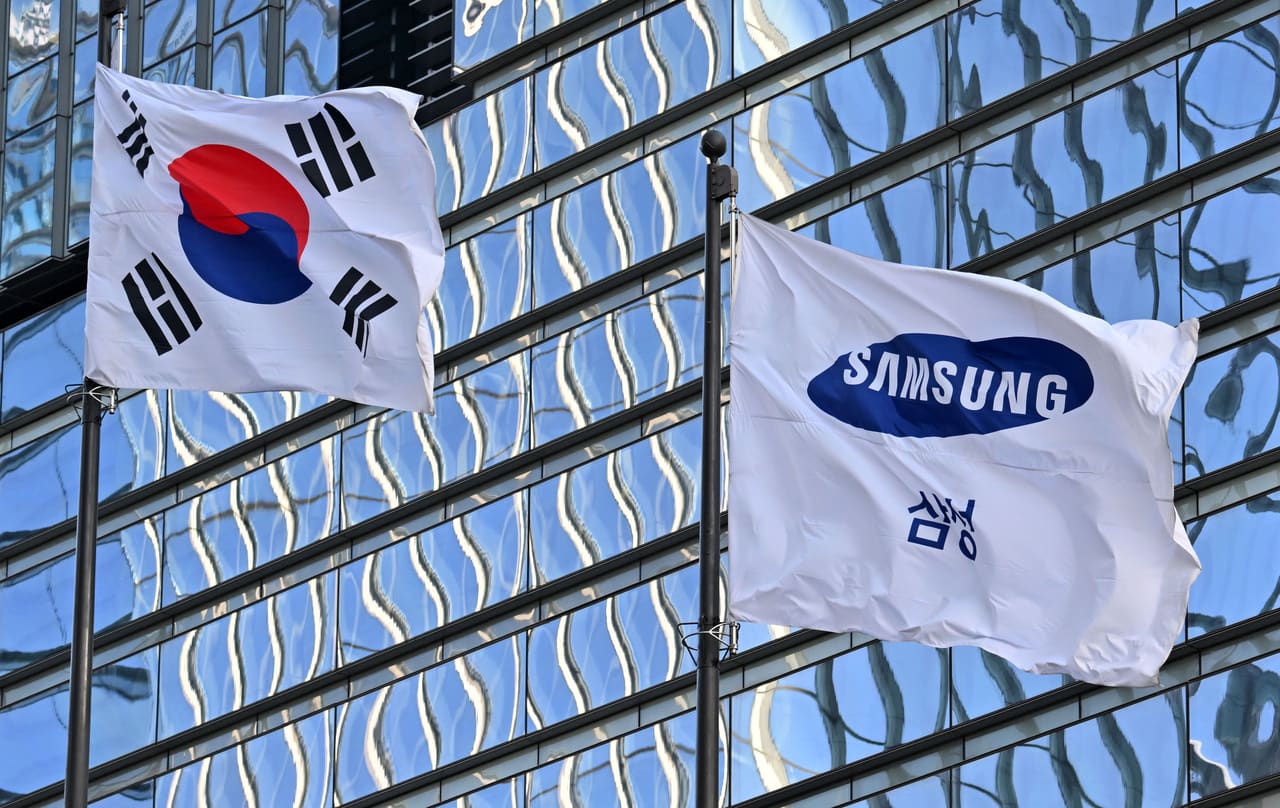
- ·Samsung Electronics reported 89.5 trillion won in second-quarter operating profit, a 56 percent increase from Q1 and an all-time high for the company.
- ·Revenue reached 171.5 trillion won as the Device Solutions semiconductor division captured surging demand for high-bandwidth memory used in AI training and inference.
- ·The results position Samsung to accelerate capital expenditure and HBM4 production ramp, with analysts expecting elevated profitability to continue through year-end.
Record-Breaking Quarter
Samsung Electronics delivered operating profit of 89.5 trillion won ($61.9 billion) for the three months ending June, the company announced Thursday. The figure represents a 56 percent jump from the previous quarter and marks the highest operating profit in the company's history.
Revenue for the April-June period climbed to 171.5 trillion won, a 28 percent increase quarter-on-quarter. Both metrics surpassed previous records as artificial intelligence workloads fueled demand for high-bandwidth memory and advanced chips.
Semiconductor Division Leads Growth
The Device Solutions division, which handles Samsung's semiconductor operations, powered the results. The unit has now posted consecutive record-breaking quarters, building on strong first-quarter performance with even steeper gains in Q2.
Memory chip sales drove the surge. Data center operators and cloud providers building out AI infrastructure have accelerated purchases of high-capacity DRAM and NAND flash, particularly HBM3E modules designed for training and inference tasks. Samsung's position as one of three major suppliers of high-bandwidth memory has allowed the company to capture a disproportionate share of margin expansion in the sector.
Industry analysts note that AI server configurations require substantially more memory per unit than traditional enterprise hardware. A single AI training cluster can consume several hundred terabytes of HBM, with refresh cycles compressed as model complexity scales. That dynamic has tightened supply across the memory market and pushed average selling prices higher.
Regional Context
Samsung's results reflect broader momentum across Asia's semiconductor supply chain. Rivals SK Hynix and Micron Technology have also reported strengthening financials tied to AI demand, while Taiwan's TSMC continues to operate foundries at near-full utilization to meet orders for AI accelerators.
Seoul has made semiconductor self-sufficiency a policy priority, committing tax incentives and infrastructure investment to anchor production domestically. The government views memory and logic chips as strategic assets, particularly as U.S. export controls restrict Chinese access to cutting-edge nodes and place greater emphasis on allied supply chains.
Samsung's Pyeongtaek and Hwaseong fabrication complexes are running multi-shift schedules to keep pace with orders. The company has signaled plans to expand cleanroom capacity and bring additional EUV lithography tools online later this year, anticipating sustained demand through 2027.
Margin Expansion and Outlook
Operating margin improved sharply as Samsung shipped a higher proportion of advanced products. HBM3E and DDR5 modules command premium pricing relative to legacy DRAM, while enterprise SSDs built on 200-layer and denser NAND architectures carry better gross margins than consumer-grade products.
The shift in product mix has been deliberate. Samsung reallocated wafer starts toward high-value segments over the past eighteen months, reducing exposure to commodity PC and smartphone memory where pricing remains under pressure. That strategy is now delivering results, with the Device Solutions division contributing the majority of group operating profit.
Looking ahead, the company faces execution risk on next-generation HBM4 production, where yield and thermal performance will determine competitive positioning. Hyperscale customers are already qualifying samples, and volume shipments are expected to begin in the fourth quarter. Samsung's ability to ramp HBM4 without delays will be critical to defending market share against SK Hynix, which has moved aggressively to expand its own HBM footprint.
Capital Allocation
The record earnings give Samsung room to accelerate capital expenditure. The company has earmarked over 50 trillion won for semiconductor investments this year, with funds directed toward advanced packaging, EUV capacity, and pilot lines for gate-all-around transistor technology.
Investor sentiment has improved alongside the results. Samsung's share price has gained more than 40 percent year-to-date, outpacing the broader KOSPI index. Analysts expect the company to maintain elevated profitability through the remainder of 2026, barring a sharp slowdown in AI infrastructure spending or an inventory correction among cloud providers.
The memory cycle has historically been volatile, but the current upcycle appears more durable than previous rallies. AI model training and deployment represent structural demand rather than cyclical restocking, which may extend the period of favorable pricing and high utilization rates across the industry.
RELATED STORIES
Samsung Electronics Drops 8% as Market Questions Buyback Strategy
Cheng Wei-Lun · 2 min
South Korea Extends Trading Hours to Attract Foreign Capital
Anand Sundaram · 2 min

MBK Partners Chair Questioned Over Homeplus Debt Issuance Ahead of Collapse
Anand Sundaram · 3 min
Seoul Stocks Drop on Mideast Tensions and Oil Price Surge
Tran Quoc Bao · 3 min
Spot something wrong? Email editor@briefasia.com. We log every correction publicly.