Technology · Products
Samsung Electro-Mechanics Pilots Camera Tech for Humanoid Robots in Vietnam
The Korean component maker has started trial production of specialized camera modules at its Vietnamese facility as robotics demand takes shape across Asia.
KEY TAKEAWAYS
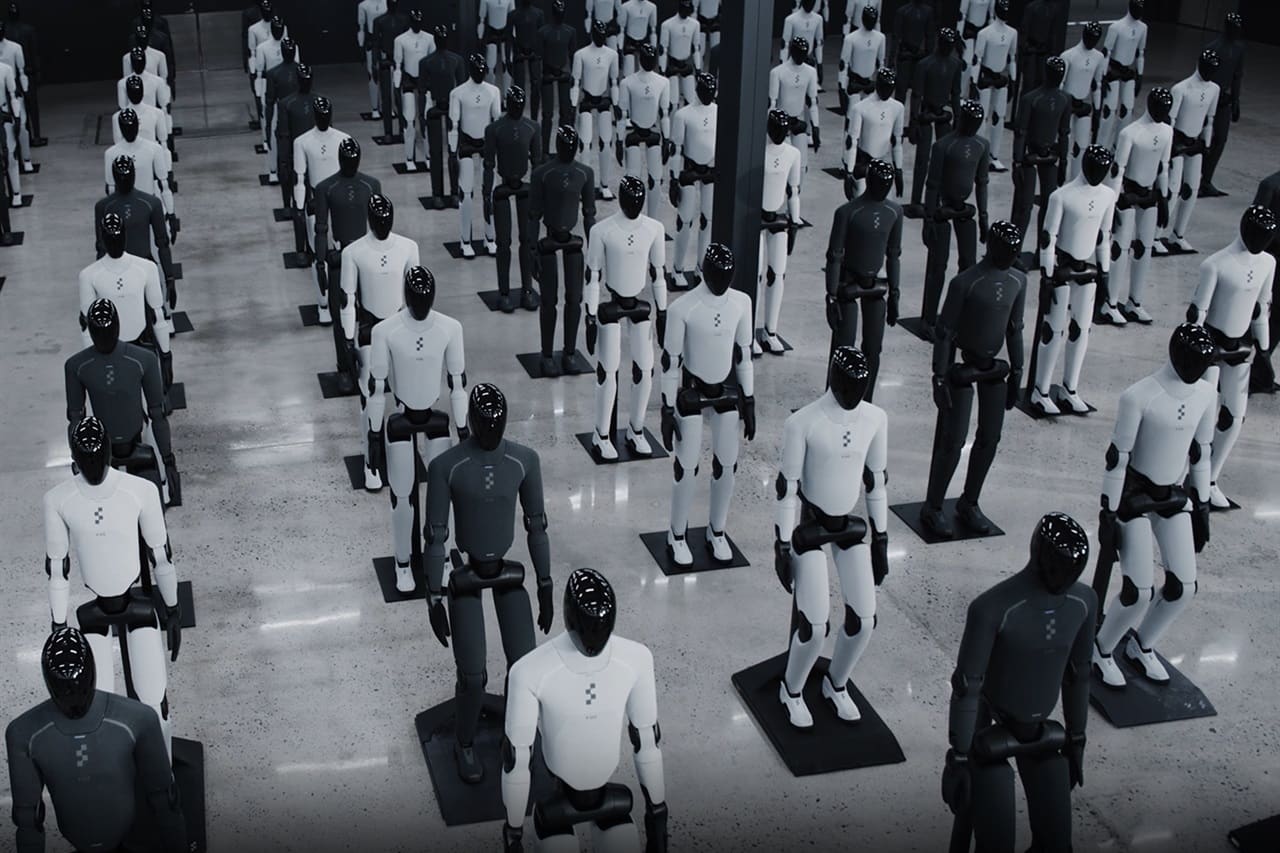
- ·Samsung Electro-Mechanics launched pilot production of camera modules for humanoid robots at its Vietnam manufacturing base, leveraging optical expertise from smartphone production.
- ·The move reflects competition with LG Innotek and other Asian suppliers as robotics startups prepare second-generation humanoid platforms requiring multiple high-resolution sensors.
- ·Commercial viability remains uncertain with current humanoid units costing USD 150,000 to USD 250,000, prompting Samsung to test demand before committing to mass production.
Testing Ground for Robotics Vision
Samsung Electro-Mechanics has initiated pilot production of camera modules tailored for humanoid robots at its Vietnam manufacturing facility, according to industry sources. The move positions the component supplier at the intersection of two accelerating trends: Southeast Asia's deepening role in precision electronics manufacturing and the nascent but capital-intensive race to build commercially viable humanoid platforms.
The Korean firm, known primarily for multi-layer ceramic capacitors and smartphone camera modules, is leveraging its existing optical expertise to address a market segment that remains largely speculative but has attracted significant venture and corporate investment over the past eighteen months. Humanoid robots require multiple high-resolution cameras for depth perception, navigation, and object manipulation, creating potential demand for compact, ruggedized modules that can withstand repetitive motion and variable lighting conditions.
Vietnam has emerged as a favored location for Samsung's component diversification. The country hosts several of the conglomerate's production lines for displays, batteries, and telecommunications hardware, benefiting from lower labor costs than Korea and established supply-chain infrastructure. Pilot production typically precedes a decision on mass manufacturing, allowing engineers to refine yields and identify bottlenecks before committing capital to full-scale lines.
Asia's Robotics Hardware Ecosystem
The camera module development comes as several robotics startups and established manufacturers prepare to ship second-generation humanoid platforms. Figure AI, a California-based startup backed by major technology investors, recently unveiled its Figure 03 model, which integrates multiple camera sensors for real-time environment mapping. South Korea's LG Innotek, a direct competitor to Samsung Electro-Mechanics, is reportedly in supply discussions with Figure AI and other humanoid developers, underscoring the competitive intensity in this emerging component category.
Asian suppliers hold a structural advantage in miniaturized optical systems. Decades of investment in smartphone camera technology have created deep expertise in autofocus actuators, image stabilization, and high-density sensor packaging. These capabilities translate directly to robotics applications, where size, weight, and power consumption are critical constraints. Samsung Electro-Mechanics produced over 400 million camera modules for mobile devices in 2025, providing a manufacturing foundation that can be adapted for lower-volume, higher-specification robotics orders.
The timing reflects broader shifts in industrial automation and logistics. Warehouses, factories, and healthcare facilities are testing humanoid platforms for tasks that require bipedal mobility and dexterous manipulation, applications where wheeled robots face limitations. However, commercial viability remains uncertain. Current humanoid prototypes cost between USD 150,000 and USD 250,000 per unit, and most deployments are pilot programs rather than production rollouts.
Market Uncertainty and Strategic Hedging
Pilot production does not guarantee commercial success. Samsung Electro-Mechanics is testing market appetite without the financial exposure of a dedicated production line. If demand materializes, the Vietnam facility can scale quickly. If the humanoid market stalls, the optical and assembly capabilities can be redirected toward automotive camera systems, drones, or augmented reality headsets, all of which share similar technical requirements.
The component maker faces competition from Japanese and Taiwanese suppliers who also serve the robotics sector. Japan's optical incumbents, including subsidiaries of larger electronics groups, have long-standing relationships with industrial automation firms. Taiwan's camera module makers, meanwhile, are expanding beyond smartphones into adjacent categories. Samsung Electro-Mechanics will need to demonstrate differentiation in durability, frame rate, or integration support to secure design wins.
Vietnam's role in this equation is instructive. The country has absorbed significant electronics manufacturing capacity over the past decade, driven by firms seeking alternatives to China amid trade friction and rising wages. Samsung alone employs over 160,000 people across its Vietnamese operations, producing everything from smartphones to home appliances. Adding camera modules for humanoid robots to that portfolio reflects the country's deepening capability in high-precision assembly.
Whether humanoid robots achieve commercial scale in the next five years remains an open question. For now, Samsung Electro-Mechanics is positioning itself to capture early orders, testing both its technology and the market's readiness to move beyond prototypes.
RELATED STORIES

Samsung's Vietnam Operations Post 23% Profit Jump to $2.3 Billion
Tran Quoc Bao · 3 min
Singapore Captures Two-Thirds of Southeast Asian EV Startup Capital
Priyanka V. Rao · 3 min

Vietnam's Trade Turnover Hits $770 Billion as Imports Surge Past Exports
Jun-ho Seo · 2 min

Mixue Shutters 89 Stores Across Southeast Asia Amid Profit Decline
Siti Nuraini · 3 min
Spot something wrong? Email editor@briefasia.com. We log every correction publicly.