Finance · Deals
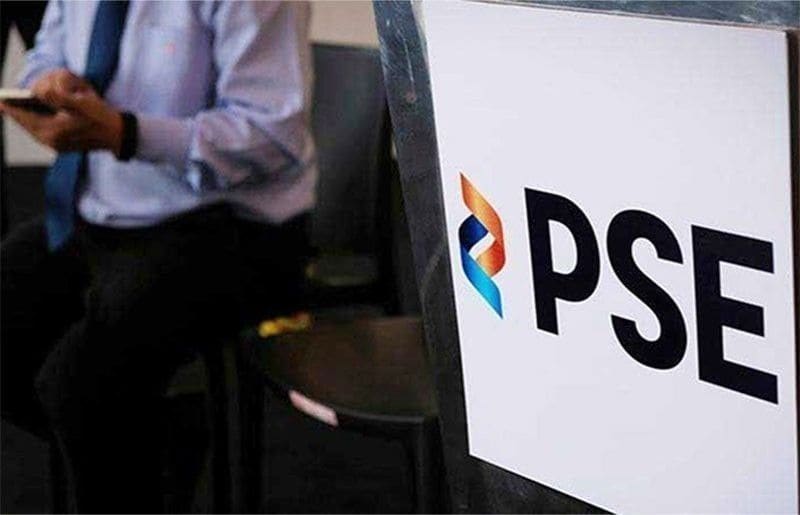
Robinsons Retail Trading Halted After Public Float Drops to 0.31 Percent
The Philippine retailer's shares were suspended following a tender offer that pushed public ownership below exchange minimums, clearing the path for a voluntary delisting by late July.
KEY TAKEAWAYS
- ·Robinsons Retail Holdings shares were suspended at the Philippine Stock Exchange after JE Holdings acquired 21.54 percent of outstanding stock, reducing public float to just 0.31 percent.
- ·The company priced its tender offer at 48.30 pesos per share and has requested voluntary delisting by July 28, citing a disconnect between market valuation and intrinsic value.
- ·Robinsons Retail operates 2,782 stores across the Philippines and raised 28.12 billion pesos in its 2013 initial public offering, spending nearly thirteen years as a listed entity.
Trading Suspension Takes Effect
Robinsons Retail Holdings Inc. shares stopped trading at the Philippine Stock Exchange on July 13, marking a decisive step toward the company's exit from public markets. The suspension came immediately after JE Holdings Inc. completed a block sale that acquired 21.54 percent of the retailer's outstanding capital stock.
The transaction, executed through a tender offer that ran from May 25 to July 6, brought Robinsons Retail's public float down to 0.31 percent of issued and outstanding shares. That figure sits well below the exchange's minimum public ownership threshold, triggering an automatic trading halt.
According to the company, there are no plans to restore the required public ownership percentage. Robinsons Retail has formally requested that its voluntary delisting become effective by July 28, and the process of obtaining final approval from the exchange is now underway.
Valuation Disconnect Drives Exit
The tender offer priced shares at 48.30 pesos each. Management cited a persistent gap between market valuations and the company's intrinsic value as the primary rationale for leaving the exchange.
Robinsons Retail first listed at the Philippine Stock Exchange on November 11, 2013, raising 28.12 billion pesos through the sale of primary and over-allotment shares during its initial public offering. The company has spent nearly thirteen years as a publicly traded entity.
The decision to delist reflects a broader trend among Southeast Asian retail conglomerates that have watched their share prices stagnate or decline despite stable operational performance. When market multiples compress and liquidity thins, the compliance costs and disclosure obligations of public listing can outweigh the benefits of exchange access.
Retail Footprint Remains Intact
As of the end of March, Robinsons Retail operated 2,782 stores across multiple formats. The network includes 805 food stores, 1,187 drugstores, 51 department stores, 234 do-it-yourself outlets, and 505 specialty stores. The company also manages over 2,100 franchised stores under the TGP brand.
The delisting does not alter the company's physical retail presence or its day-to-day operations. Store expansions, supplier relationships, and franchise agreements continue as planned. What changes is the company's access to public equity markets and the regulatory reporting framework it must follow.
What Comes Next
Once the Philippine Stock Exchange grants final approval, Robinsons Retail will complete its transition to private ownership. Shareholders who tendered their shares during the offer period have already exited at the 48.30 peso price. Those who did not participate now hold shares in a private company, with liquidity limited to negotiated sales or future corporate actions.
The delisting will eliminate quarterly earnings calls, public disclosures, and the scrutiny that comes with exchange listing. For management, the move offers greater flexibility in capital allocation and strategic planning without the pressure of short-term market expectations.
The Philippine retail sector has seen consolidation accelerate in recent years, with family-controlled conglomerates taking advantage of depressed valuations to take subsidiaries private. Robinsons Retail's exit may signal that other listed retail chains in the region are evaluating similar moves, particularly those with controlling shareholders who view public market pricing as divorced from underlying business fundamentals.
RELATED STORIES
Philippine Stocks Edge Higher as Inflation Cools to Five-Month Low
Jun-ho Seo · 3 min
Philippine Stock Index Falls Below 6,000 as Rate Increase and Currency Pressure Mount
Priyanka V. Rao · 3 min

GCash IPO Could Turn Users Into Shareholders
Mariel D. Santos · 3 min
Jollibee Shifts IPO Plans to Hong Kong After US Listing Target
Cheng Wei-Lun · 3 min
Spot something wrong? Email editor@briefasia.com. We log every correction publicly.