Finance · Markets
Ringgit Strengthens Against Dollar as US Bond Intervention Rattles Markets
Malaysia's currency closes the week higher amid growing investor unease over Washington's Treasury market tactics and fiscal trajectory

KEY TAKEAWAYS
- ·The ringgit closed at 4.0365 against the US dollar on Friday, up from 4.0425 the previous day, supported by rising Malaysian yields.
- ·US government debt has surpassed 40 trillion dollars, raising investor concerns that bond buyback programs may signal fiscal stress rather than strength.
- ·Economists warn that Treasury market interventions could resemble yield-curve control, a policy historically associated with currency weakness and eroded confidence.
Currency Gains Amid Fiscal Uncertainty
Malaysia's ringgit closed the week stronger against the US dollar, reaching 4.0365 on Friday from 4.0425 the previous day, as investor attention shifts to Washington's bond-market interventions and the ballooning federal debt that recently crossed the 40 trillion dollar threshold.
The local currency's resilience comes despite elevated US Treasury yields, with the move driven by a combination of stronger Malaysian yields and mounting questions about the sustainability of American fiscal policy. Market participants are watching closely as the US government deploys buyback programs aimed at managing long-term borrowing costs.
Yield Management Concerns
The crux of investor unease centers on whether US efforts to suppress long-term yields might evolve into a form of yield-curve control, a policy approach that has historically pressured reserve currencies. Quintex Intel's global strategist Stephen Innes noted that such measures could chip away at confidence in US assets, according to Quintex Intel.
The mechanics are straightforward: when a government actively intervenes to cap long-term rates, it can signal fiscal stress rather than strength. Traders interpret these moves as potential precursors to financial repression, where real returns are deliberately held below inflation to ease the debt burden. That dynamic tends to weaken a currency as capital seeks better risk-adjusted returns elsewhere.
Debt Ceiling and Fiscal Path
The US government debt pile surpassing 40 trillion dollars marks a psychological milestone that economists say cannot be addressed through market operations alone. Bank Muamalat Malaysia chief economist Mohd Afzanizam Abdul Rashid emphasized that durable solutions require revenue increases and expenditure discipline, according to Bank Muamalat Malaysia.
Buyback programs, while providing temporary relief by smoothing Treasury auctions and supporting liquidity, do not alter the underlying fiscal arithmetic. Markets will eventually refocus on deficit trajectories and debt-to-GDP ratios to assess sovereign credit risk. For now, the combination of intervention signals and debt milestones is creating a modest headwind for the dollar across emerging-market pairs.
Regional Currency Performance
The ringgit's weekly performance extended beyond the dollar. It appreciated against the Japanese yen to 2.5449 from 2.5527, gained versus the British pound to 5.5118 from 5.5164, and firmed against the euro to 4.7227 from 4.7322.
Within Southeast Asia, the picture was mixed. The ringgit edged higher against the Singapore dollar to 3.1809 from 3.1813 and nudged up versus the Philippine peso to 6.54 from 6.55. However, it softened against the Indonesian rupiah to 228.1 from 227.7 and slipped versus the Thai baht to 12.3474 from 12.3014.
Implications for Asian Capital Flows
The divergence in regional currency moves reflects differing exposures to US fiscal risk and varying domestic yield dynamics. Malaysia's relatively stable political environment and narrower fiscal deficit have helped anchor investor confidence, allowing the ringgit to benefit when dollar sentiment sours.
For portfolio managers allocating across Asia, the current episode underscores the importance of sovereign debt sustainability. Currencies backed by credible fiscal frameworks tend to outperform when global reserve-currency concerns flare. As US debt service costs rise and political gridlock complicates deficit reduction, emerging-market currencies with stronger fundamentals may continue to attract rotational flows.
The week's trading also highlights how bond-market interventions, even when intended to stabilize borrowing costs, can transmit unintended signals. If investors perceive that a government is prioritizing short-term yield suppression over long-term fiscal health, the currency often pays the price through gradual depreciation or heightened volatility.
Looking ahead, traders will be parsing US fiscal data releases and any further commentary on Treasury buyback operations. For the ringgit, sustained strength will depend on Malaysia maintaining its own yield advantage and avoiding external shocks that could reverse risk sentiment across emerging markets.
RELATED STORIES
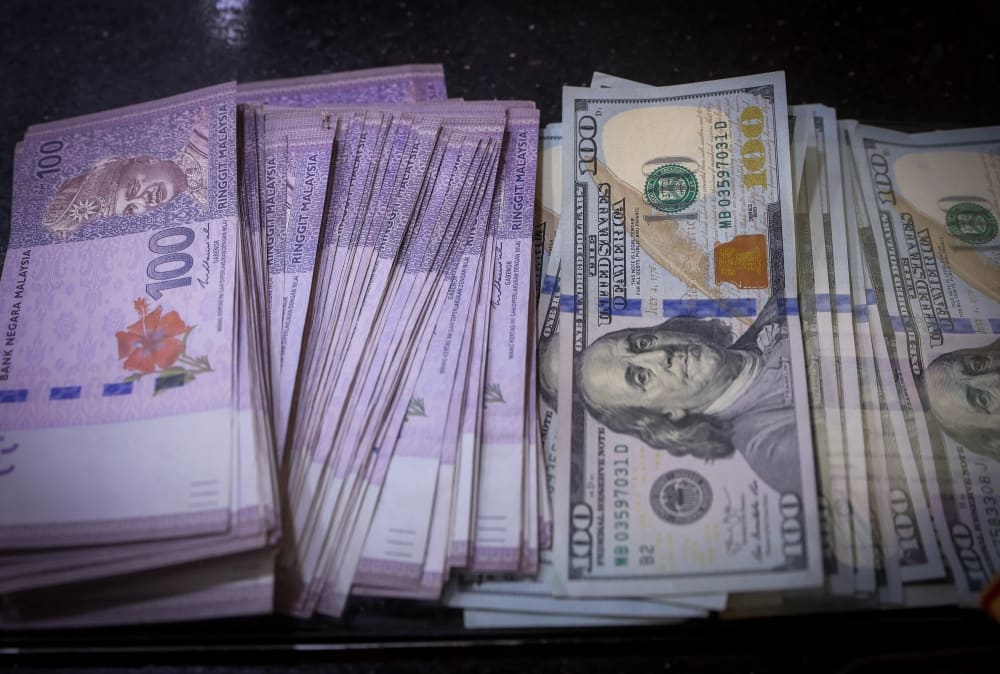
Ringgit Strengthens to 4.0365 Against Dollar as US Fiscal Concerns Offset Treasury Yield Gains
Priyanka V. Rao · 2 min

Ringgit Strengthens as US Debt Burden Pressures Dollar
Priyanka V. Rao · 3 min
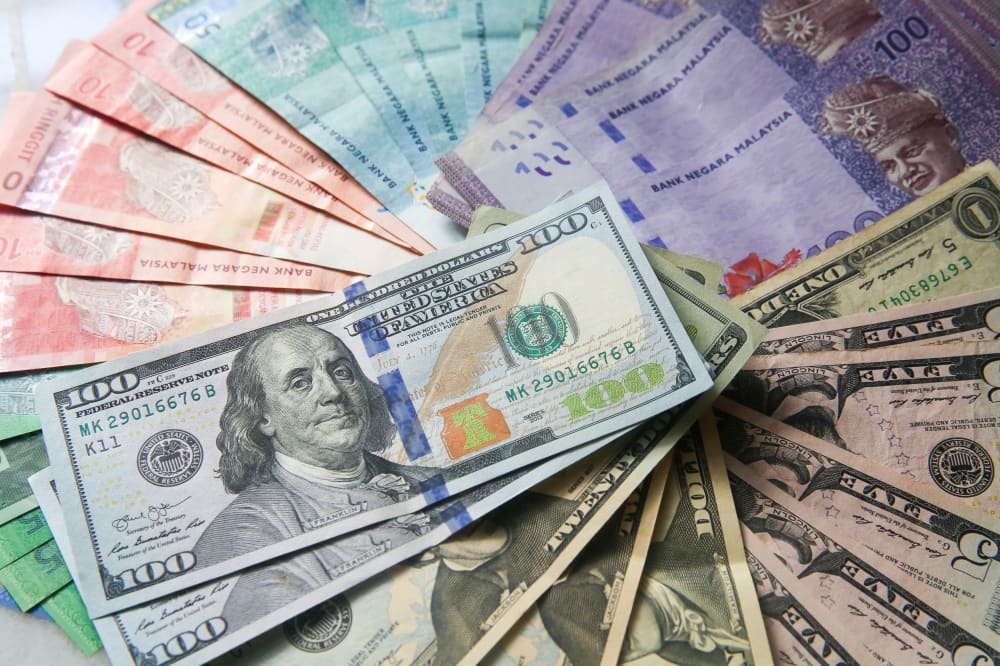
Ringgit Gains as US Debt Crosses $40 Trillion Threshold
Cheng Wei-Lun · 2 min

Malaysian Ringgit Faces Profit-Taking Risk After Six-Day Rally
Cheng Wei-Lun · 2 min
Spot something wrong? Email editor@briefasia.com. We log every correction publicly.