Finance · Markets
Ringgit Strengthens as US Debt Burden Pressures Dollar
Malaysia's currency opens firmer Thursday morning amid dimming expectations for Federal Reserve rate hikes and declining US Dollar Index
KEY TAKEAWAYS
- ·The Malaysian ringgit opened at 4.0455 per US dollar Thursday, stronger than Wednesday's close of 4.0565, as US public debt surpassed $40 trillion.
- ·The US Dollar Index fell 0.86 percent to 98.798 points as expectations for a September Federal Reserve rate hike diminished.
- ·The ringgit is expected to trade between 4.04 and 4.06 against the dollar, with stable interest rate differentials supporting the local currency.
Debt Concerns Shift Currency Dynamics
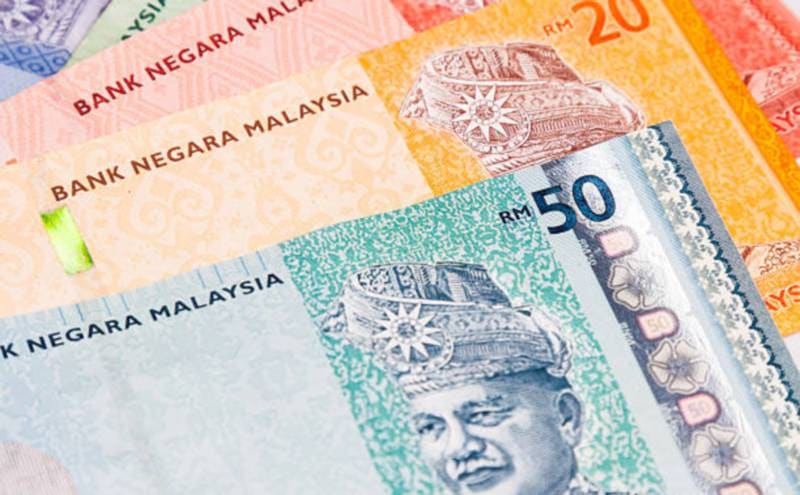
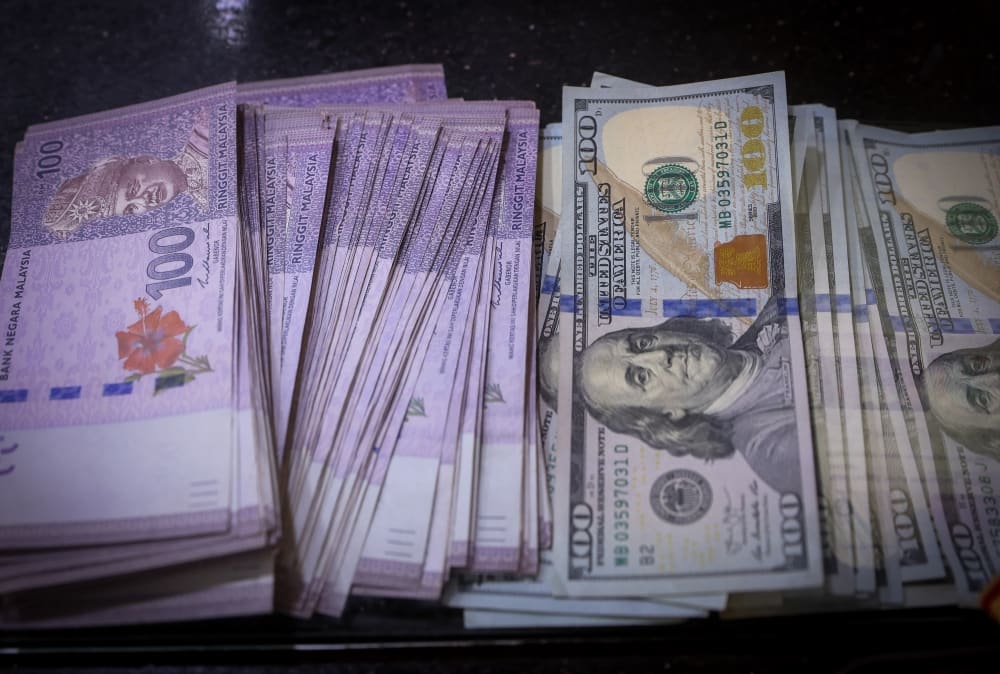
The Malaysian ringgit opened at 4.0455 per US dollar Thursday morning, firmer than Wednesday's close of 4.0565, as anxiety over America's escalating government debt load dampened expectations for near-term Federal Reserve rate increases.
The shift reflects broader market uneasiness about Washington's fiscal trajectory. US public debt outstanding has surpassed $40 trillion, according to Bank Muamalat Malaysia Bhd, representing an increase of roughly one-third in under five years. The milestone arrives as the Treasury Department has attempted to suppress long-term yields through direct bond market intervention.
Dr Mohd Afzanizam, chief economist at Bank Muamalat Malaysia Bhd, noted that any Fed decision to raise interest rates in the current environment could complicate the government's debt servicing capacity. The constraint has effectively narrowed the central bank's policy options at a time when inflation concerns typically warrant tighter monetary conditions.
Dollar Index Retreats
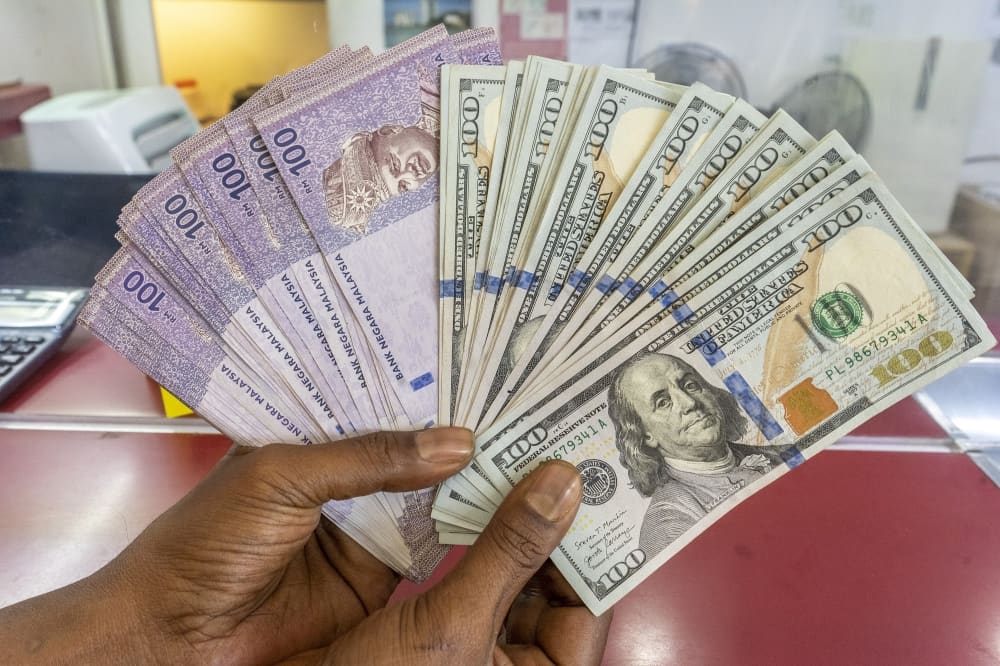
The US Dollar Index dropped 0.86 percent to 98.798 points as traders reassessed the likelihood of a September rate hike. The decline in the dollar's benchmark measure signals reduced confidence in the greenback's strength across major currency pairs.
For Malaysia, the development offers a favorable backdrop. The narrowing probability of Fed tightening means the interest rate differential between the Fed Funds Rate and Bank Negara Malaysia's overnight policy rate is likely to remain stable. That stability reduces pressure on the ringgit from yield-seeking capital flows and supports the currency's recent appreciation trend.
Dr Mohd Afzanizam expects the ringgit to trade between 4.04 and 4.06 against the dollar through the session, a range that would represent continued firmness relative to recent weeks.
Mixed Performance Against Regional Peers
The ringgit's performance against other major and regional currencies was less uniform. Against the Japanese yen, the local currency weakened to 2.5562 from Wednesday's 2.5498. It also slipped versus the British pound, moving to 5.5023 from 5.4994, and declined against the euro to 4.7231 from 4.7080.
Within Southeast Asia, the ringgit showed mixed results. It weakened slightly against the Singapore dollar, moving to 3.1819 from 3.1778, and edged lower versus the Thai baht to 12.3046 from 12.2686. However, it gained ground against the Indonesian rupiah, strengthening to 226.7 from 227.3, and improved versus the Philippine peso to 6.54 from 6.56.
Implications for Malaysia's Economy
The ringgit's resilience against the dollar carries significance for Malaysia's trade-dependent economy. A firmer local currency reduces the cost of imports, particularly energy and capital goods priced in dollars, and can help contain inflationary pressures that have challenged household budgets.
At the same time, a stronger ringgit presents headwinds for exporters, who benefit from a weaker currency that makes Malaysian goods more competitive in international markets. The electronics and palm oil sectors, both major contributors to export revenue, will be watching currency movements closely in coming weeks.
The current dynamic underscores how external factors, particularly US fiscal and monetary policy, continue to shape the trading environment for Asian currencies. With Washington's debt trajectory showing no signs of reversal and political debates over spending intensifying ahead of the 2026 midterm elections, currency volatility is likely to persist.
For now, the ringgit's morning gain reflects a market recalibrating its expectations around Fed policy. Whether that strength holds will depend on incoming US economic data, Treasury auction results, and any signals from Federal Reserve officials about their assessment of inflation and growth risks.
RELATED STORIES
Ringgit Climbs as US Debt Crosses $40 Trillion, Pressures Dollar
Cheng Wei-Lun · 3 min
Malaysian Ringgit Strengthens as Fed Rate Hike Bets Fade
Priyanka V. Rao · 3 min
Ringgit Gains Ground as Weaker US Data Shifts Fed Outlook
Priyanka V. Rao · 2 min
Ringgit Strengthens as Fed Rate Hike Odds Drop Below 30 Percent
Priyanka V. Rao · 3 min
Spot something wrong? Email editor@briefasia.com. We log every correction publicly.