Finance · Markets
Malaysian Ringgit Strengthens as Fed Rate Hike Bets Fade
Currency gains track declining September rate expectations and first-half GDP growth of 5.7 per cent
KEY TAKEAWAYS
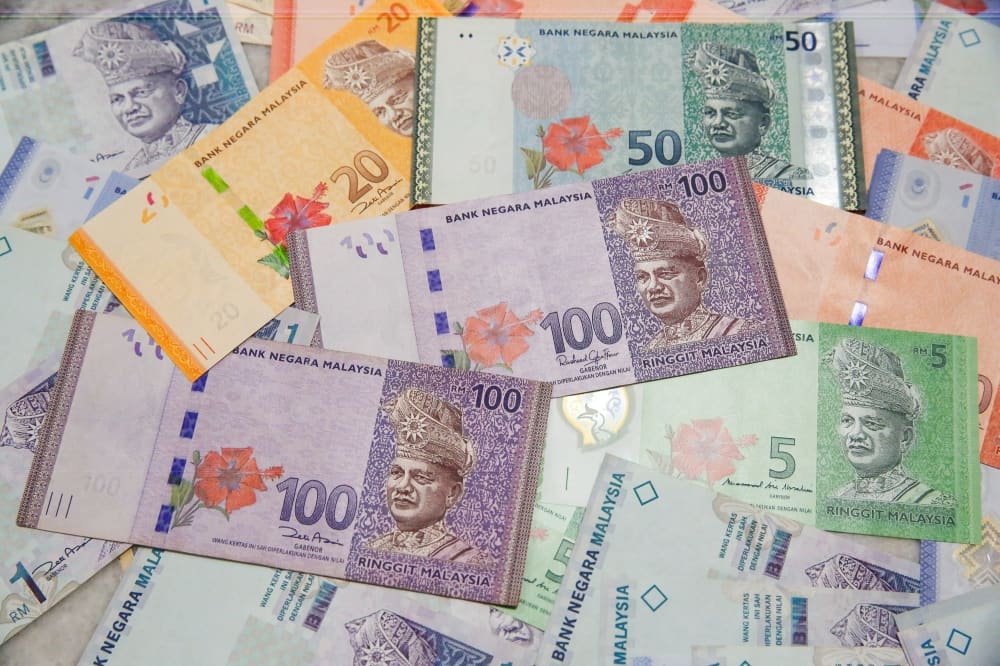
- ·The Malaysian ringgit closed at 4.0575 per US dollar on Tuesday, strengthening as traders reduced expectations for a Federal Reserve rate hike in September.
- ·Malaysia's economy expanded 5.7 per cent in the first half of 2026, surpassing Bank Negara's full-year projection range of four to five per cent.
- ·Rising crude oil prices above USD 82 per barrel could push inflation higher and revive rate hike expectations in the second half of the year.
Currency Rally Tracks Dovish Fed Outlook
The Malaysian ringgit closed at 4.0575 per US dollar on Tuesday, edging up from 4.0585 the previous session, as traders dialed back expectations for a US Federal Reserve interest rate increase in September. The move marked the currency's second consecutive session of gains against the greenback, with the dollar weakening across emerging Asian markets.
Market pricing for a September rate hike by the Federal Open Market Committee has declined sharply over the past week, reducing the yield advantage that has drawn capital toward dollar assets. That shift has created room for Asian currencies to recover ground lost earlier this year, when expectations of tighter US monetary policy had weighed on regional exchange rates.
GDP Outperformance Supports Sentiment
Malaysia's economy expanded 5.7 per cent in the first half of 2026, Finance Minister II Amir Hamzah Azizan announced Tuesday. The figure surpasses Bank Negara Malaysia's full-year projection range of four to five per cent, with first-quarter growth of 5.4 per cent followed by a 6.0 per cent expansion in the second quarter.
The outperformance reflects sustained momentum in manufacturing exports, particularly electronics and electrical goods, alongside resilient domestic consumption. Foreign direct investment inflows into the semiconductor and data-center sectors have also provided support, with several multinational firms announcing capacity expansions in Penang and Johor.
Bank Muamalat Malaysia chief economist Mohd Afzanizam Abdul Rashid noted that the GDP data reinforced positive sentiment toward the ringgit, complementing the external tailwind from softer Fed rate expectations. "The combination of robust domestic fundamentals and a weaker dollar environment has been constructive for the currency," he said.
Regional Currency Gains Broaden
The ringgit's advance extended across other major and regional currencies. It strengthened to 2.5420 per 100 Japanese yen from 2.5496, and firmed against the British pound to 5.4902 from 5.5021. Against the euro, the ringgit rose to 4.6982 from 4.7062.
Among Southeast Asian peers, the ringgit appreciated to 3.1756 per Singapore dollar from 3.1804, and gained versus the Indonesian rupiah to 227.1 from 228.0. It also edged higher against the Thai baht to 12.2657 from 12.2948, and improved marginally versus the Philippine peso to 6.56 from 6.60.
The broad-based gains suggest a regional shift in capital flows, with investors reassessing allocations in anticipation of a less aggressive Fed tightening cycle. Southeast Asian currencies have been particularly sensitive to US rate differentials, given the region's integration into global supply chains and reliance on dollar-denominated trade finance.
Inflation Risk Remains on Radar
Despite the favorable backdrop, Mohd Afzanizam cautioned that market sentiment remains fragile. Rising crude oil prices, which have climbed more than 8 per cent over the past month, pose a risk to inflation trajectories in the second half of the year. Brent crude traded above USD 82 per barrel this week, pressured by supply concerns and robust demand from China and India.
"If oil prices continue to rise, inflation could accelerate toward year-end, potentially reviving the rate hike thesis," Mohd Afzanizam said. Higher energy costs would feed through to transport and food prices, complicating the inflation outlook for both Malaysia and the United States.
Bank Negara Malaysia has held its overnight policy rate at 2.75 per cent since mid-2024, citing balanced growth and inflation dynamics. However, a sustained uptick in headline inflation could prompt the central bank to revisit its stance, particularly if price pressures broaden beyond energy and food categories.
Market Positioning and Near-Term Outlook
Currency strategists in Singapore and Kuala Lumpur note that speculative positioning in the ringgit remains relatively light, suggesting scope for further gains if the Fed maintains a dovish tone. The next FOMC meeting is scheduled for mid-September, with markets currently pricing less than a 30 per cent probability of a rate increase.
Malaysia's external balance sheet provides additional support, with foreign reserves standing above USD 115 billion and the current account maintaining a surplus. The country's status as a net energy exporter also offers a partial hedge against oil price volatility, unlike several regional peers.
Traders will watch upcoming US inflation and labor market data for clues on the Fed's policy trajectory, alongside any signals from Bank Negara on its own rate outlook. For now, the ringgit's momentum reflects a confluence of improving domestic fundamentals and a more accommodative global rate environment.
RELATED STORIES

Malaysian Ringgit Gains Ground on 6% GDP Growth in Second Quarter
Priyanka V. Rao · 3 min
Ringgit Gains Ground as Weaker US Data Shifts Fed Outlook
Priyanka V. Rao · 2 min
Ringgit Strengthens as Fed Rate Hike Odds Drop Below 30 Percent
Priyanka V. Rao · 3 min

Ringgit Gains Ground on Softer US Rate Expectations
Priyanka V. Rao · 3 min
Spot something wrong? Email editor@briefasia.com. We log every correction publicly.