Finance · Markets
Ringgit Strengthens as Fed Rate Hike Odds Drop Below 30 Percent
Malaysia's currency gained 225 pips against the dollar after weak US inflation and jobs data shifted market sentiment on Federal Reserve policy
KEY TAKEAWAYS
- ·The ringgit closed at 4.0585 per dollar, gaining 225 basis points, after US inflation rose only 0.1 percent in July and nonfarm payrolls fell 23,000 jobs.
- ·Probability of a September Fed rate hike dropped to 30 percent from over 50 percent a month ago, easing pressure on emerging market currencies.
- ·Malaysia's currency also strengthened against the yen, euro, pound, and all major regional peers including the baht, rupiah, and Singapore dollar.
Currency Rally Caps Monday Session
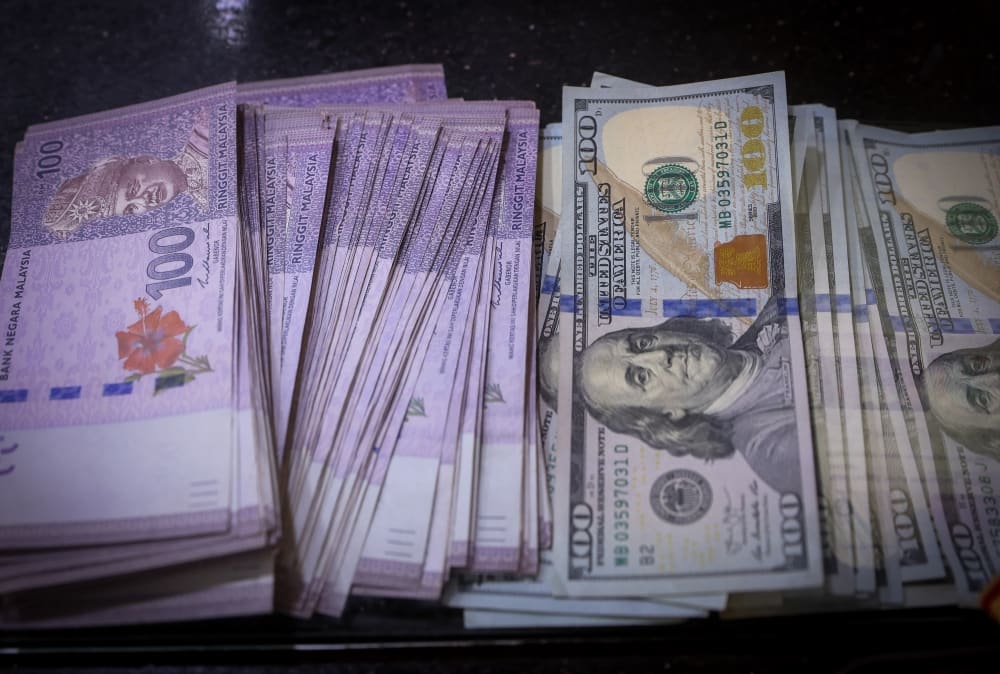
Malaysia's ringgit posted its strongest single-day gain in weeks, closing at 4.0585 against the US dollar on Monday evening, a jump of 225 basis points from Friday's 4.0840 finish. The move came as traders reassessed Federal Reserve policy expectations following a string of disappointing US economic releases.
The shift in sentiment marks a notable reversal for Asian currencies, which had spent much of the past month under pressure as markets priced in the possibility of additional Fed tightening. Probability of a September rate increase has now fallen to 30 percent, down from better than even odds just four weeks ago.
Inflation and Employment Miss Forecasts
Two key US data points drove the recalibration. July's consumer price index rose just 0.1 percent month-on-month, pushing the annual rate to 3.4 percent, according to official figures. More significantly, nonfarm payrolls contracted by 23,000 positions in July, a sharp miss against economist forecasts that had called for roughly 80,000 new jobs.
Dr Mohd Afzanizam, chief economist at Bank Muamalat Malaysia, noted that the combination of cooling inflation and weakening employment has altered the policy calculus. The reduced likelihood of near-term tightening removes a headwind that had weighed on emerging market currencies throughout the summer.
Broad-Based Gains Across the Board
The ringgit's strength extended beyond the dollar. Against the Japanese yen, the local currency improved to 2.5496 from 2.5660 on Friday. It also gained ground versus the British pound, closing at 5.5021 compared with 5.5232 previously, and advanced against the euro to 4.7062 from 4.7182.
Regional currency performance showed similar patterns. The ringgit edged higher against the Philippine peso, moving to 6.60 from 6.64, and climbed versus the Thai baht to 12.2948 from 12.3153. It also strengthened against the Indonesian rupiah, ending at 228.0 from 229.0, and rose against the Singapore dollar to 3.1804 from 3.1924.
Market Positioning and Near-Term Outlook
The synchronized move across multiple currency pairs suggests broader repositioning in Asian foreign exchange markets rather than Malaysia-specific factors. With Fed policy now appearing less restrictive in the immediate term, carry trades and risk appetite for regional assets may see renewed interest.
Bank Negara Malaysia has maintained its overnight policy rate at current levels for several quarters, citing balanced growth and inflation dynamics. The central bank's relative stability, combined with easing external pressure from dollar strength, provides a more supportive backdrop for the ringgit in coming weeks.
Trading volumes were elevated during Monday's session, reflecting active participation from both corporate hedgers unwinding dollar-long positions and speculative accounts testing new ranges. Technical analysts noted the break below 4.06 opens the door to further gains if US data continues to undershoot expectations.
Policy Divergence Comes Into Focus
The contrast between Fed caution and regional central bank steadiness highlights a shifting landscape for Asian currencies. While the US central bank faces conflicting signals on growth and inflation, Southeast Asian economies have generally maintained more predictable policy trajectories, attracting inflows from investors seeking yield and stability.
Malaysia's current account surplus and stable fiscal position add to the fundamental case for ringgit support. Export performance has held up despite global manufacturing softness, with electronics and commodities providing offsetting strength.
The next major test for the currency will come with the Fed's September policy meeting and updated economic projections. For now, the market has decisively repriced the probability of tightening, giving the ringgit room to extend its recovery from multi-month lows reached in late July.
RELATED STORIES

Malaysian Ringgit Gains Ground on 6% GDP Growth in Second Quarter
Priyanka V. Rao · 3 min

Malaysia's Money Supply Growth Hits Pandemic-Era Pace as Producer Prices Surge
Priyanka V. Rao · 3 min

Malaysian Stocks Fall as Investors Look Past Strong GDP Print
Priyanka V. Rao · 3 min
Malaysia's Ringgit Strengthens on 6% Second-Quarter GDP Beat
Priyanka V. Rao · 3 min
Spot something wrong? Email editor@briefasia.com. We log every correction publicly.