Finance · Markets
Ringgit Climbs as US Debt Crosses $40 Trillion, Pressures Dollar
Malaysia's currency strengthened to 4.0455 per dollar as mounting US fiscal concerns dampen Federal Reserve rate-hike expectations
KEY TAKEAWAYS
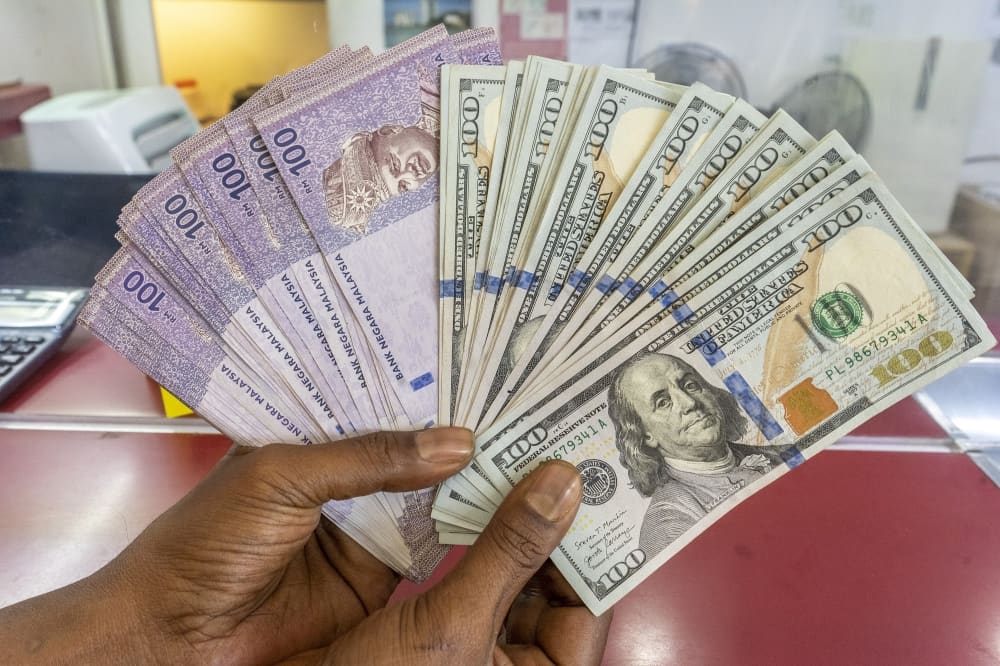
- ·Malaysia's ringgit opened at 4.0455 per US dollar, strengthening from 4.0565 as US public debt crossed $40 trillion and rose one-third in under five years.
- ·The US Dollar Index fell 0.86 percent to 98.798 points as markets reduced expectations for a September Fed rate hike amid concerns that tightening would strain debt-servicing capacity.
- ·Bank Muamalat Malaysia projects the ringgit will trade between 4.04 and 4.06 today, benefiting from stable interest rate differentials as Fed policy remains on hold.
Ringgit Gains on Dollar Weakness
Malaysia's ringgit strengthened in early trading, opening at 4.0455 per US dollar compared to the previous close of 4.0565, as investor anxiety over America's ballooning public debt undermined the greenback across Asian markets.
The local currency's appreciation reflects broader concerns about US fiscal sustainability after government debt outstanding surpassed the $40 trillion threshold. That figure represents a one-third increase in less than five years, according to Bank Muamalat Malaysia Bhd chief economist Dr Mohd Afzanizam.
The timing of this debt milestone is particularly significant given recent US Treasury Department efforts to suppress long-term bond yields through direct market intervention. The intersection of rising debt levels and yield management has created fresh questions about the Federal Reserve's monetary policy flexibility.
Rate-Hike Expectations Fade
Market participants are increasingly doubtful that the Fed will proceed with interest rate increases in the near term. Any move to tighten monetary policy could further strain the US government's capacity to service its debt obligations, Dr Mohd Afzanizam noted.
The US Dollar Index declined 0.86 percent to 98.798 points as traders reduced their expectations for a September rate hike. This shift in sentiment has created favorable conditions for emerging-market currencies, particularly in Southeast Asia where central banks have maintained relatively stable policy stances.
For Malaysia, the receding prospect of Fed tightening means the interest rate differential between the Fed Funds Rate and Bank Negara Malaysia's overnight policy rate is likely to remain steady. That stability typically supports capital flows into ringgit-denominated assets and underpins the currency's value.
Trading Range and Regional Performance
Dr Mohd Afzanizam expects the ringgit to trade between 4.04 and 4.06 against the dollar through the session, suggesting the currency has room for modest additional gains if dollar weakness persists.
Against other major currencies, the ringgit showed mixed performance in early trading. It weakened to 2.5562 per Japanese yen from 2.5498 at the previous close, and slipped to 5.5023 against the British pound from 5.4994. The euro also gained ground, with the ringgit falling to 4.7231 from 4.7080.
Within the region, Malaysia's currency displayed varied momentum. It declined against the Singapore dollar to 3.1819 from 3.1778 and edged lower versus the Thai baht to 12.3046 from 12.2686. However, the ringgit appreciated against the Indonesian rupiah, reaching 226.7 from 227.3, and strengthened versus the Philippine peso to 6.54 from 6.56.
Fiscal Pressure Points
The US debt trajectory has become a focal point for currency traders and fixed-income investors worldwide. With public borrowing accelerating and no clear path to fiscal consolidation, questions about long-term dollar stability are mounting.
Treasury yields have become a particular area of concern. The department's attempts to manage the yield curve through direct intervention signal discomfort with market-determined rates, yet higher rates would increase debt-servicing costs on an already strained budget.
This dynamic creates a policy bind for the Federal Reserve. Raising rates to combat any resurgence in inflation would add billions in annual interest expense to the federal budget, potentially forcing difficult choices between fiscal sustainability and price stability.
For Asian economies, the situation presents both opportunity and risk. A weaker dollar can boost export competitiveness and ease debt burdens for countries with dollar-denominated obligations. However, prolonged US fiscal instability could eventually trigger broader financial market volatility that would affect the region.
Market Positioning
Currency markets are now pricing in a prolonged pause in Fed tightening, a marked shift from earlier expectations of continued rate increases through year-end. This repricing has provided breathing room for emerging-market central banks, which had faced pressure to raise their own rates to prevent capital outflows.
Malaysia's central bank has maintained its overnight policy rate at current levels, judging that domestic economic conditions and inflation dynamics do not yet warrant tightening. The Fed's apparent pause reinforces that stance and reduces the risk of destabilizing capital flows.
The ringgit's performance in coming sessions will likely hinge on further US economic data and any signals from Federal Reserve officials about their policy outlook. For now, the currency appears positioned to benefit from a weaker dollar environment, though volatility remains possible if US fiscal concerns intensify or if Treasury yields spike unexpectedly.
RELATED STORIES
Malaysian Ringgit Strengthens as Fed Rate Hike Bets Fade
Priyanka V. Rao · 3 min
Ringgit Gains Ground as Weaker US Data Shifts Fed Outlook
Priyanka V. Rao · 2 min

Malaysian Ringgit Gains Ground on 6% GDP Growth in Second Quarter
Priyanka V. Rao · 3 min
Ringgit Strengthens as US Debt Burden Pressures Dollar
Priyanka V. Rao · 3 min
Spot something wrong? Email editor@briefasia.com. We log every correction publicly.