Finance · Markets
Ringgit Strengthens to 4.0365 Against Dollar as US Fiscal Concerns Offset Treasury Yield Gains
Malaysia's currency gained ground despite rising US Treasury yields, buoyed by domestic bond market strength and investor doubts about Washington's debt trajectory
KEY TAKEAWAYS
- ·The ringgit closed at 4.0365 per US dollar Friday, up from 4.0425 Thursday, supported by rising Malaysian yields and US fiscal doubts.
- ·US government debt exceeded USD 40 trillion for the first time, intensifying investor concerns about long-term dollar strength and yield-curve interventions.
- ·The ringgit gained against the yen, pound, and euro but slipped versus the rupiah and baht in mixed regional trading.
Malaysian Currency Gains Despite US Treasury Moves
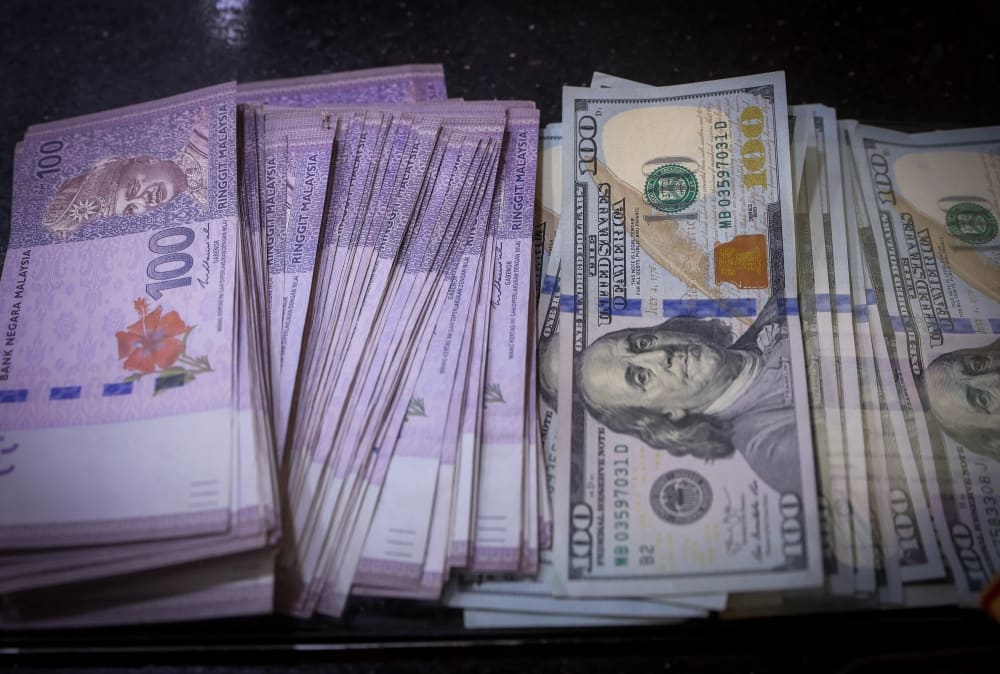
The ringgit closed the week at 4.0365 per US dollar on Friday, strengthening from Thursday's 4.0425 level, as investors balanced rising domestic yields against mounting concerns over US fiscal policy. The Malaysian currency's advance came even as US Treasury yields moved higher, an unusual divergence driven by questions about Washington's debt management strategy.
Malaysian government bond yields rose through the week, providing support for the ringgit as capital flows responded to improved domestic fixed-income returns. At the same time, global investors began reassessing their exposure to US assets following recent interventions in the American bond market, creating an opening for emerging-market currencies across Asia.
Debt Ceiling and Intervention Fears
US government debt surpassed USD 40 trillion for the first time, according to official Treasury data, intensifying scrutiny of fiscal sustainability in the world's largest economy. The milestone has reignited debate over deficit trajectories and the long-term implications for dollar strength.
Quintex Intel global strategist Stephen Innes noted that recent measures aimed at managing long-term US yields risk undermining confidence in American assets. "The concern is that efforts to suppress long-term US yields could eventually resemble a form of yield-curve management or financial repression which has historically weighed on the greenback," Innes said.
Bank Muamalat Malaysia chief economist Mohd Afzanizam Abdul Rashid emphasized that structural fiscal adjustments remain the only durable solution. "The US government should focus on raising revenue and reining in expenditure to slow the growth in US government debt," he told reporters. "A buyback programme would only buy time, with markets eventually turning their attention back to the US fiscal position to make their assessment."
Cross-Currency Performance
The ringgit advanced against most major currencies in Friday trading. It rose to 2.5449 per Japanese yen from 2.5527 the previous day, climbed to 5.5118 against the British pound from 5.5164, and strengthened to 4.7227 versus the euro from 4.7322.
Performance was more mixed within Southeast Asia. The ringgit edged higher against the Singapore dollar to 3.1809 from 3.1813 and gained slightly on the Philippine peso, moving to 6.54 from 6.55. However, it slipped against the Indonesian rupiah to 228.1 from 227.7 and weakened versus the Thai baht to 12.3474 from 12.3014.
What Comes Next
The ringgit's trajectory in coming weeks will hinge on two competing forces: the pace of yield increases in Malaysian government bonds and the direction of US fiscal policy signals. If Washington's debt buyback programs fail to reassure markets about long-term sustainability, emerging-market currencies may continue to find tailwinds.
For now, the currency's Friday close marks a modest but notable shift in sentiment. Investors are treating Malaysian assets as a relative safe haven within the region, even as global bond markets digest the implications of a USD 40 trillion debt pile in the United States. Whether that dynamic persists will depend on both Kuala Lumpur's ability to maintain attractive real yields and Washington's willingness to address structural budget imbalances.
The ringgit has gained roughly 1.5 percent against the dollar over the past month, reflecting broader appetite for Asian fixed income as inflation pressures ease across the region and central banks signal extended periods of policy stability.
RELATED STORIES

Ringgit Strengthens as US Debt Burden Pressures Dollar
Priyanka V. Rao · 3 min
Ringgit Gains as US Debt Crosses $40 Trillion Threshold
Cheng Wei-Lun · 2 min

Malaysia's Ringgit Slips Against Dollar as Iran Tensions Drive Oil Higher
Cheng Wei-Lun · 2 min
Ringgit Climbs as US Debt Crosses $40 Trillion, Pressures Dollar
Cheng Wei-Lun · 3 min
Spot something wrong? Email editor@briefasia.com. We log every correction publicly.