Finance · Markets
Malaysia's Ringgit Slips Against Dollar as Iran Tensions Drive Oil Higher
Currency weakens to 4.0430 per dollar at morning open while strengthening against yen and euro amid geopolitical uncertainty
KEY TAKEAWAYS
- ·The Malaysian ringgit opened at 4.0430 per US dollar Friday, slightly weaker from 4.0425 Thursday, as US-Iran tensions drove Brent crude up 1.75 percent to $93.22 per barrel.
- ·The 30-year US Treasury yield rose six basis points to 5.25 percent amid Washington's buyback program and geopolitical uncertainty over planned economic isolation measures against Iran.
- ·Bank Muamalat expects the ringgit to trade between 4.04 and 4.06 per dollar today, with risk centered on whether US sanctions extend to Iran's Asian trade partners.
Dollar Gains Ground on Safe-Haven Demand
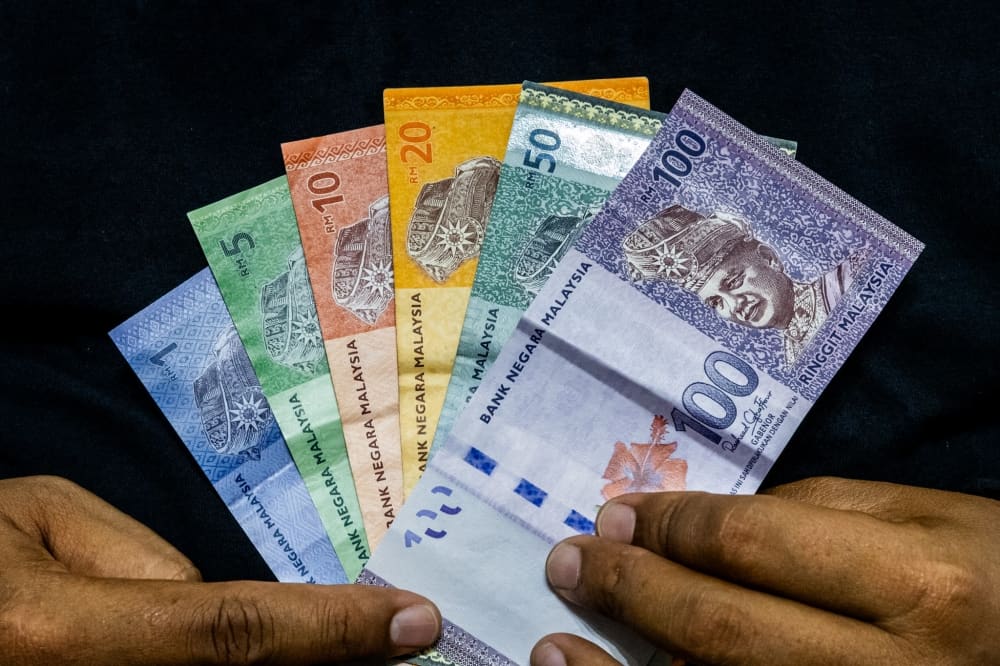
The Malaysian ringgit opened weaker against the US dollar Friday morning, slipping to 4.0430 per dollar at 8am from Thursday's close of 4.0425, as geopolitical tensions between Washington and Tehran prompted investors to seek safer assets.
The currency's modest retreat came despite strengthening against most other major currencies, reflecting a broader flight to dollar-denominated assets. Brent crude jumped 1.75 percent to $93.22 per barrel on supply concerns, according to Bank Muamalat Malaysia Bhd chief economist Mohd Afzanizam Abdul Rashid.
The US government is preparing measures to economically isolate Iran, with announcements expected in coming days, Mohd Afzanizam noted. That prospect has unsettled currency markets across emerging Asia, where energy importers face the twin pressures of rising oil costs and dollar strength.
Treasury Buyback Adds Complexity
Washington's simultaneous push to buy back US Treasuries has created additional pressure on yields. The 30-year Treasury yield climbed six basis points to 5.25 percent, according to Mohd Afzanizam, as the government attempts to suppress borrowing costs even as geopolitical risk drives demand for long-dated debt.
The buyback program, part of broader debt management strategy, has complicated the usual relationship between safe-haven demand and Treasury prices. Investors are watching whether the Federal Reserve will adjust policy if oil-driven inflation accelerates.
For Malaysia, the calculus is particularly delicate. While higher crude prices benefit the country's oil and gas exports, a stronger dollar erodes competitiveness for manufactured goods and raises the cost of dollar-denominated debt servicing.
Mixed Performance Across Regional Pairs
The ringgit showed divergent moves against regional currencies. It strengthened to 3.1797 per Singapore dollar from 3.1813 Thursday, but weakened against the Thai baht to 12.3120 from 12.3014.
Against the Indonesian rupiah, the ringgit held nearly flat at 227.8, while it was almost unchanged versus the Philippine peso at 6.56. The pattern suggests currency traders are differentiating between exporters more exposed to China demand versus those with stronger domestic consumption stories.
The ringgit posted clearer gains against major developed-market currencies. It rose to 2.5445 per yen from 2.5527, edged up to 5.5159 per pound from 5.5164, and strengthened to 4.7251 per euro from 4.7322.
Protectionist Risk Looms
Mohd Afzanizam highlighted a key concern: whether US measures against Iran will extend to trade partners that continue doing business with Tehran. That risk has particular resonance in Asia, where China and India maintain significant energy ties with Iran.
Any expansion of secondary sanctions could force Asian governments to choose between access to US financial markets and access to discounted Iranian crude. That dilemma has historically strained regional currencies when oil prices spike.
Mohd Afzanizam expects the ringgit to trade in a 4.04 to 4.06 range against the dollar Friday, suggesting limited near-term volatility unless the US announces broader sanctions.
The ringgit's performance will hinge on two competing forces: whether oil prices continue climbing, which would support Malaysia's terms of trade, and whether dollar strength overwhelms that benefit as investors price in prolonged Middle East instability. For now, caution is winning out.
RELATED STORIES
Ringgit Gains as US Debt Crosses $40 Trillion Threshold
Cheng Wei-Lun · 2 min
Ringgit Climbs as US Debt Crosses $40 Trillion, Pressures Dollar
Cheng Wei-Lun · 3 min
Malaysian Ringgit Strengthens as Fed Rate Hike Bets Fade
Priyanka V. Rao · 3 min
Ringgit Gains Ground as Weaker US Data Shifts Fed Outlook
Priyanka V. Rao · 2 min
Spot something wrong? Email editor@briefasia.com. We log every correction publicly.