Finance · Markets
Ringgit Strengthens Ahead of Malaysia Second-Quarter Growth Release
Currency gains against dollar as markets anticipate GDP data while softer US inflation signals steady Fed policy
KEY TAKEAWAYS
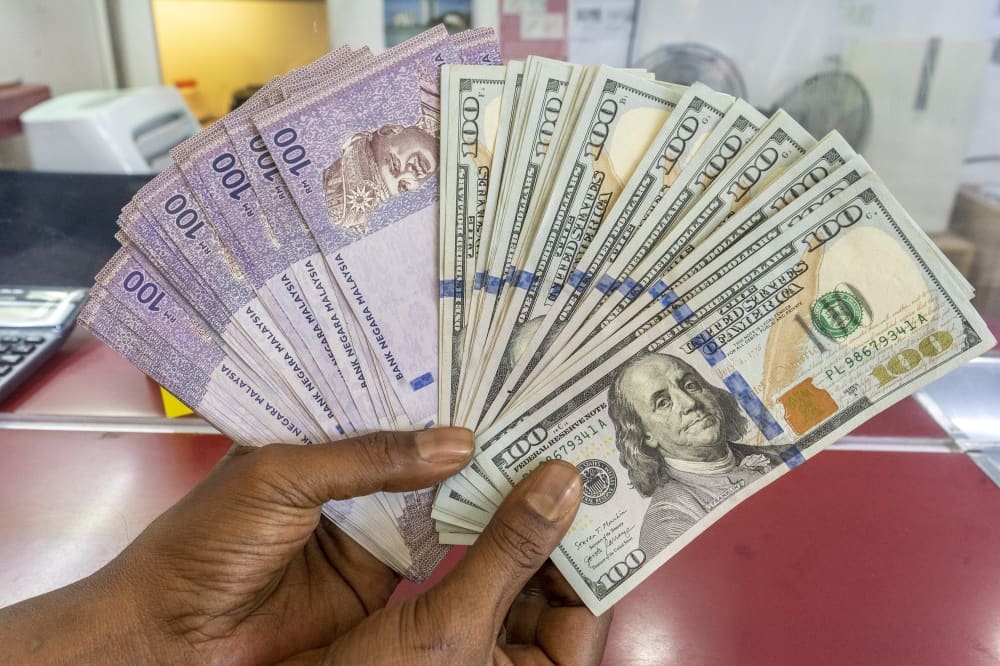
- ·Malaysia's ringgit opened at 4.0835 per dollar ahead of second-quarter GDP data, with economists forecasting growth of 5.8 to 5.9 percent driven by manufacturing and mining.
- ·US producer price index fell to 4.7 percent in July from 5.0 percent, reducing expectations for a Federal Reserve rate hike at the September 15-17 meeting.
- ·The ringgit gained against the yen, pound, Singapore dollar, and Thai baht while holding steady versus the peso and rupiah in early Friday trading.
Currency Gains Ground Before Key Data
Malaysia's ringgit traded higher in early Friday trading, reaching 4.0835 per US dollar at the open compared to 4.0850 at Thursday's close, as markets positioned ahead of the country's second-quarter 2026 GDP announcement scheduled for later in the day.
Economists surveyed expect Malaysia's economy expanded between 5.8 and 5.9 percent in the April-June period, driven by improved output in manufacturing and mining. The consensus forecast reflects confidence in the export-oriented sectors that have powered much of Southeast Asia's recovery momentum this year.
Mohd Afzanizam Abdul Rashid, chief economist at Bank Muamalat Malaysia, noted that any print above the consensus range would provide additional support for the local currency. The ringgit's recent trajectory has been shaped by both domestic fundamentals and shifting expectations around US monetary policy, creating a window for appreciation when economic data surprises to the upside.
US Inflation Easing Shifts Rate Outlook
The ringgit's morning strength coincided with a modest pullback in the US Dollar Index, which declined 0.05 percent to 99.960 points following the release of softer-than-expected producer price data from the United States. July's producer price index registered 4.7 percent year-on-year, down from 5.0 percent in June, while core PPI moderated to 4.2 percent from 4.7 percent.
The inflation deceleration follows earlier labor market figures that showed cooling demand for workers, a combination that has market participants reassessing the likelihood of further Federal Reserve tightening. With the Federal Open Market Committee set to meet September 15-17, the probability of a rate increase has diminished sharply.
According to Mohd Afzanizam, the combination of weak employment data and moderating price pressures suggests policymakers will opt to hold the Fed Funds Rate steady at the upcoming gathering. That scenario keeps the interest rate differential between Malaysia and the United States unchanged, removing one potential headwind for ringgit performance in the near term.
Regional Currency Movements
Against other major currencies, the ringgit posted mixed results. It appreciated to 2.5608 per 100 yen from 2.5634 and improved to 5.5086 against the British pound from 5.5119. The currency slipped marginally versus the euro, trading at 4.7099 compared to 4.7120 previously.
Within Southeast Asia, the ringgit edged higher against the Singapore dollar to 3.1895 from 3.1912 and strengthened versus the Thai baht to 12.3086 from 12.3239. Movements against the Philippine peso and Indonesian rupiah were negligible, reflecting the relatively narrow trading bands that have characterized intra-ASEAN currency pairs in recent sessions.
The pattern underscores how much of the ringgit's recent volatility has been driven by external factors, particularly shifts in Federal Reserve policy expectations, rather than idiosyncratic domestic developments. With inflation pressures easing in advanced economies and growth holding up across much of Asia, the currency environment has become more conducive to stability.
What the GDP Print Means
Market attention now turns to the official GDP release, which will provide the first comprehensive view of Malaysia's economic performance in the second quarter. A print in line with or above consensus would validate the recovery narrative that has supported ringgit gains over recent weeks and could attract further portfolio inflows into Malaysian equities and debt.
Conversely, a miss on growth expectations might prompt a reassessment of the currency's near-term trajectory, particularly if it raises questions about the sustainability of export momentum or domestic consumption trends. Either way, the data will offer important signals for policymakers as they calibrate fiscal and monetary settings for the second half of the year.
The interplay between domestic growth dynamics and external rate expectations will continue to shape the ringgit's path in the months ahead, with both factors currently pointing toward a more supportive backdrop than earlier in the year.
RELATED STORIES

Malaysia's Ringgit Holds Steady as Traders Await GDP Data
Priyanka V. Rao · 3 min
Malaysian Ringgit Gains Ground as Markets Brace for US Inflation Data
Priyanka V. Rao · 3 min

Malaysia's Ringgit Slides Against Dollar as Markets Brace for US Inflation Data
Priyanka V. Rao · 5 min

Malaysian Ringgit Holds Steady as Markets Await GDP Release
Priyanka V. Rao · 2 min
Spot something wrong? Email editor@briefasia.com. We log every correction publicly.