Finance · Markets
Malaysian Ringgit Gains Ground as Markets Brace for US Inflation Data
The currency strengthened to 4.0835 per dollar while traders awaited July CPI figures that could reshape Federal Reserve rate expectations
KEY TAKEAWAYS
- ·Malaysia's ringgit appreciated to 4.0835 per US dollar from 4.0905, outperforming most regional peers ahead of key US inflation data
- ·Markets expect US July CPI to moderate to 3.4 percent from 3.5 percent, though elevated oil prices could deliver a higher reading
- ·A stronger-than-expected inflation print would likely boost the dollar and pressure Asian currencies by extending the Federal Reserve's high-rate timeline
Currency Strengthens Amid Cautious Trading
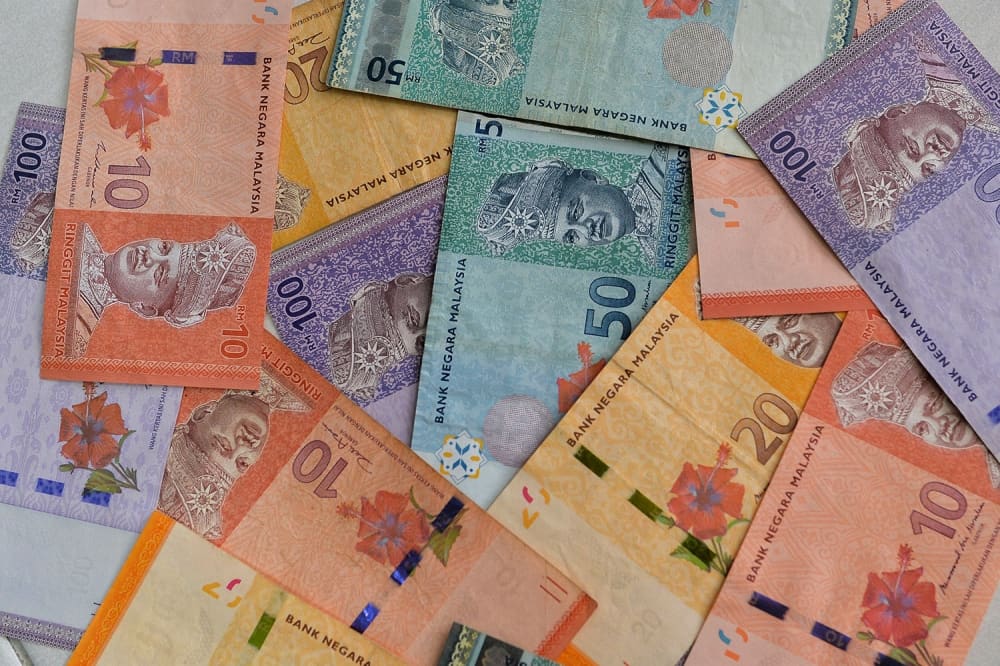
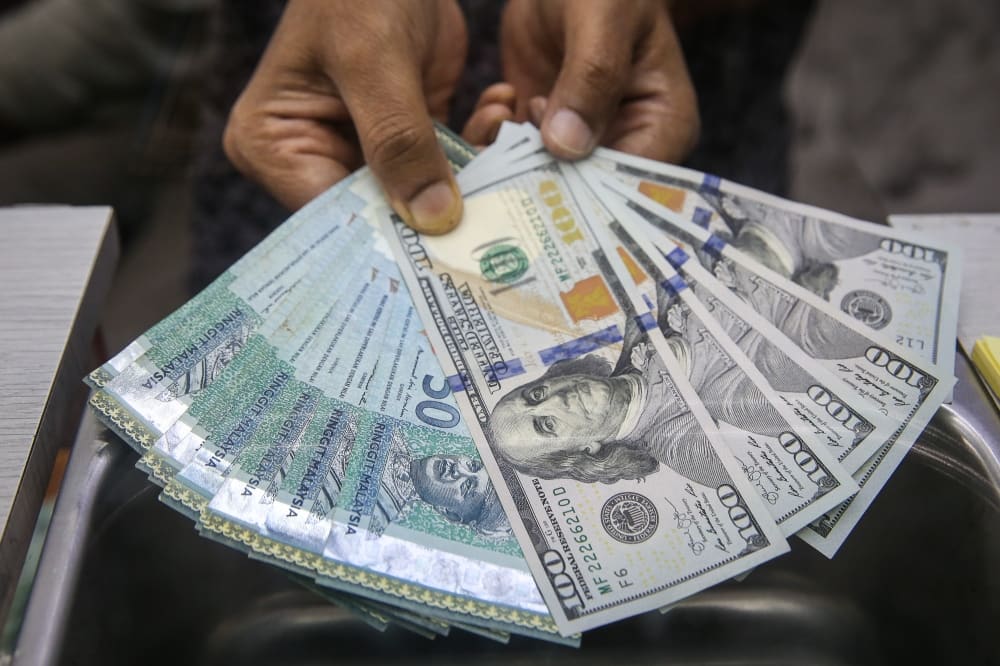
Malaysia's ringgit closed stronger against the US dollar on Tuesday, appreciating to 4.0835 per dollar from the previous session's 4.0905. The move came as regional markets adopted a wait-and-see stance ahead of the United States Consumer Price Index release scheduled for later that evening.
The currency's performance stood out in a mixed day for Asian peers, with most regional units trading in narrow ranges against the greenback. Market participants appeared reluctant to take large positions before the inflation print, which economists expected to show a moderation to 3.4 percent in July from June's 3.5 percent reading.
Dr Mohd Afzanizam Abdul Rashid, chief economist at Bank Muamalat Malaysia, noted that the ringgit enjoyed solid support during the session. The cautious tone across trading desks reflected uncertainty about how the inflation data might shift expectations for US interest rate policy, with implications for capital flows across emerging Asian markets.
Oil Prices Add Complexity to Inflation Outlook
The inflation picture facing US policymakers has grown more complicated in recent weeks. Elevated crude oil prices have raised the possibility that consumer price growth could come in above consensus forecasts, potentially extending the timeline for Federal Reserve rate cuts that many investors had priced in earlier this year.
A hotter-than-expected inflation reading would likely strengthen the dollar, as higher rates for longer tend to attract capital flows into US assets. The US Dollar Index held relatively flat at 99.855 points during Asian trading hours, suggesting markets were evenly balanced between competing scenarios.
For currencies like the ringgit, the stakes are significant. A sustained period of high US rates typically creates headwinds for emerging market currencies by widening interest rate differentials and making dollar-denominated assets more attractive to global investors.
Broader Currency Movements
Beyond its dollar performance, the ringgit posted gains against several major currencies. It strengthened to 2.5655 per Japanese yen from 2.5680 in the previous session, and appreciated to 4.7107 against the euro from 4.7188. Against the British pound, the local currency improved to 5.5180 from 5.5238.
Regional currency performance was mixed but tilted in the ringgit's favor. The Malaysian unit climbed to 3.1905 per Singapore dollar from 3.1930, and gained ground against both the Philippine peso and Indonesian rupiah. It moved to 6.67 per peso from 6.68, and to 228.4 per 100 rupiah from 229.0.
The Thai baht proved an exception, with the ringgit slipping to 12.3488 per baht from 12.3323. The divergence reflected Thailand's own economic dynamics and differing expectations for monetary policy paths across Southeast Asian central banks.
What the Inflation Data Means for Asia
The evening's US inflation release carries particular weight for Asian economies deeply integrated into global trade and capital flows. A reading that supports the case for Federal Reserve easing could provide relief to regional currencies that have faced pressure from rate differentials with the United States.
Conversely, stubborn inflation that keeps US rates elevated for longer would likely test the resilience of currencies across the region. Central banks in Asia have navigated a difficult balance between supporting economic growth and defending their currencies against a strong dollar over the past two years.
Malaysia's economy, like others in Southeast Asia, remains sensitive to shifts in global monetary conditions. The ringgit's recent stability suggests markets are pricing in a gradual normalization of US policy, but that view could shift quickly if inflation data surprises in either direction.
The coming sessions will reveal whether Tuesday's currency gains reflect genuine confidence in the ringgit's fundamentals or simply a temporary pause before the next leg of dollar strength.
RELATED STORIES
Malaysia's Currency Holds Ground as Dollar Index Climbs on Hormuz Tensions
Priyanka V. Rao · 4 min
Malaysia's Ringgit Slides Against Dollar as Markets Brace for US Inflation Data
Priyanka V. Rao · 5 min
Malaysian Ringgit Dips Against Dollar as Markets Brace for US Inflation Print
Priyanka V. Rao · 2 min
Malaysian Ringgit Holds Ground as Weak US Jobs Data Clouds Fed Path
Priyanka V. Rao · 2 min
Spot something wrong? Email editor@briefasia.com. We log every correction publicly.