Finance · Markets
Ringgit Gains on US Data Miss, but Fed Hike Bets Keep Dollar Supported
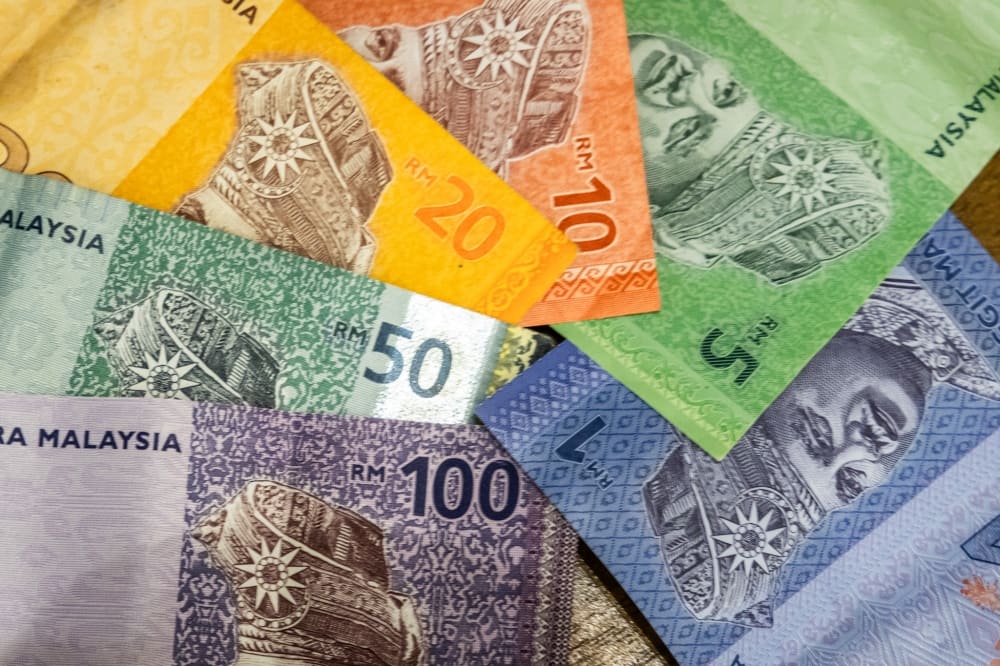
Malaysia's currency edged higher against the greenback as weaker US GDP and inflation figures emerged, though September rate hike expectations limited the move
KEY TAKEAWAYS
- ·The ringgit closed at 4.0835 per US dollar, up from 4.0875, after US GDP growth missed forecasts at 1.5 per cent and PCE inflation eased to 3.7 per cent in June.
- ·Expectations of a Federal Reserve interest rate hike in September remained intact, limiting dollar weakness despite softer economic data from the United States.
- ·The ringgit weakened against major currencies including the yen, euro, and pound, and lost ground to regional peers such as the Thai baht and Singapore dollar.
Currency Moves Reflect Mixed Sentiment
Malaysia's ringgit finished the week with modest gains against the US dollar, appreciating to 4.0835 per dollar by Friday's close from 4.0875 the previous day. The move came after the United States released economic data that fell short of analyst forecasts, though the greenback retained underlying support as markets continued to price in a Federal Reserve interest rate increase next month.
Second-quarter GDP growth in the US registered 1.5 per cent, missing the consensus estimate of 2.1 per cent. At the same time, the Personal Consumption Expenditures price index, which the Federal Reserve monitors closely as its preferred inflation measure, eased to 3.7 per cent in June from 4.1 per cent in May.
Despite the softer economic indicators, currency traders have not abandoned expectations that the Fed will tighten monetary policy in September. That outlook has provided a floor for the dollar, preventing more significant losses even as incoming data suggest cooling growth and moderating price pressures.
Broader Currency Weakness
The ringgit's performance was less favourable against other major and regional currencies. It weakened to 2.5520 per Japanese yen from 2.5029, and slipped versus the euro to 4.6981 from 4.6863. Against the British pound, the Malaysian currency declined to 5.4923 from 5.4691.
Regional peers also saw the ringgit lose ground. It traded at 12.2264 per Thai baht, down from 12.1637, and depreciated to 226.6 per Indonesian rupiah from 225.7. The Philippine peso and Singapore dollar both strengthened relative to the ringgit, with the local unit falling to 6.66 per peso and 3.1823 per Singapore dollar.
Rate Differential Dynamics
The divergence in central bank policy trajectories remains a key driver of currency flows across Asia. While the Federal Reserve has signalled its readiness to raise rates further to bring inflation back toward its target, many regional central banks have adopted more cautious stances, weighing domestic growth concerns against imported price pressures.
Bank Muamalat Malaysia chief economist Mohd Afzanizam Abdul Rashid noted that September rate hike expectations have remained intact, which continues to underpin dollar demand. The interplay between weaker US data and persistent Fed tightening bets has created a tug-of-war in currency markets, with the ringgit caught between short-term relief from softer US numbers and longer-term pressure from anticipated rate differentials.
What Comes Next
Market participants will be watching upcoming US labour market data and inflation prints for further clues on the Fed's next move. Any sign that price pressures are proving stickier than expected could reinforce September rate hike bets and renew dollar strength. Conversely, a sharper slowdown in activity might prompt traders to dial back their expectations, potentially offering the ringgit more room to appreciate.
For now, the Malaysian currency remains sensitive to shifts in Fed policy expectations and relative interest rate dynamics. With regional currencies displaying mixed performance and volatility persisting in global bond markets, the ringgit's trajectory in the weeks ahead will hinge on whether US data continues to disappoint or reaffirms the case for further tightening.
RELATED STORIES
Malaysian Ringgit Strengthens on Strong US Jobs Data
Tran Quoc Bao · 3 min
Ringgit Strengthens as Malaysia's Stable Rates Signal Policy Flexibility
Mariel D. Santos · 3 min
Ringgit Set to Hold Gains as Malaysia Central Bank Meeting Nears
Priyanka V. Rao · 3 min
Malaysian Equities Climb in Morning Session as Regional Investors Weigh Oil Price Rally
Anand Sundaram · 3 min
Spot something wrong? Email editor@briefasia.com. We log every correction publicly.