Real Estate · Land
Queensland Battery Firm Plans $350 Million Indonesia Precursor Plant
Pure Battery Technologies targets upstream nickel supply chain gap with first domestic facility for high-value cathode materials
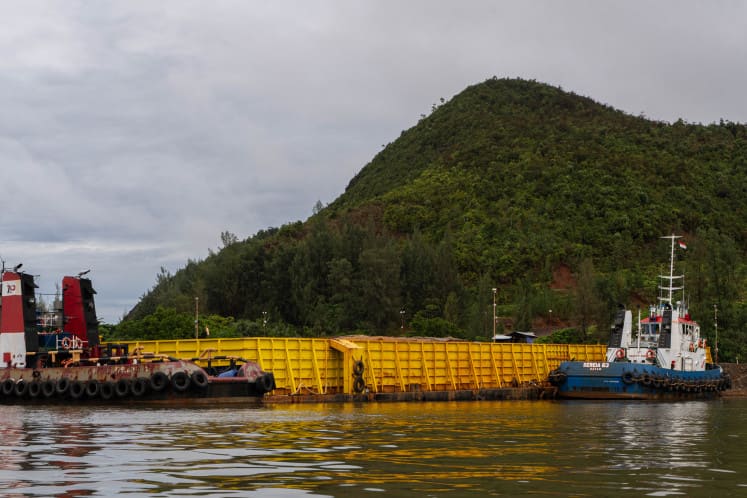
KEY TAKEAWAYS
- ·Pure Battery Technologies will invest $350 million to build Indonesia's first battery precursor plant, targeting high-value cathode material production.
- ·The facility addresses a critical gap in Indonesia's nickel supply chain, which currently lacks domestic capacity for refined battery chemicals.
- ·The project tests whether Indonesia can successfully move beyond mid-stream processing into advanced chemical manufacturing for batteries.
First Precursor Facility in Indonesia
Pure Battery Technologies, a Queensland-based materials firm, will commit $350 million to construct Indonesia's first battery precursor manufacturing plant. The facility represents a strategic move upstream in the nickel value chain, targeting production of cathode precursor materials that command significantly higher margins than raw ore or intermediate products.
Indonesia currently dominates global nickel ore supply and has built substantial processing capacity for nickel pig iron and mixed hydroxide precipitate. Yet the archipelago lacks domestic capability to produce the refined chemical compounds required for lithium-ion battery cathodes, forcing manufacturers to export intermediate materials and reimport finished battery components at higher cost.
Closing the Value Gap
Battery precursor materials, including nickel sulfate and precursor cathode active materials, sit near the top of the nickel processing pyramid. These compounds undergo additional refinement and blending before final cathode production, and they capture a disproportionate share of value in the battery supply chain.
Pure Battery Technologies' planned investment addresses this gap directly. By establishing precursor production capacity within Indonesia, the project allows the country to retain more value from its nickel resources and reduces reliance on processing facilities in China, South Korea, and Japan that currently dominate this segment.
The Australian firm's decision reflects broader trends in battery supply chain reconfiguration. Southeast Asia has emerged as a focal point for battery manufacturing investment, driven by abundant nickel and cobalt deposits, competitive labor costs, and government incentives designed to attract downstream processing.
Indonesia's Downstream Push
Indonesia banned nickel ore exports in 2020, a policy designed to force miners and processors to build refining capacity domestically. The strategy has succeeded in attracting billions of dollars in smelter investment, primarily from Chinese firms, but most of that capital has flowed into mid-stream processing rather than the chemical refining stages closest to battery production.
The Pure Battery Technologies project signals that Indonesia's downstream ambitions are beginning to materialize in higher-value segments. Precursor production requires stricter quality controls, more sophisticated chemical engineering, and tighter integration with battery manufacturers than earlier-stage processing, making it a natural next step for the country's industrial development.
Jakarta has offered tax holidays, expedited permitting, and infrastructure support to companies willing to build battery material plants. The government views battery production as central to its economic strategy, particularly as global automakers accelerate electric vehicle adoption and seek supply chain resilience outside China.
Regional Competition
Indonesia competes with the Philippines, which also holds substantial nickel reserves, and with Vietnam and Thailand, which have attracted battery assembly investments despite lacking domestic nickel supply. The Philippines has been slower to implement ore export bans and has seen less downstream investment as a result.
Pure Battery Technologies has not disclosed the plant's location or production timeline, but industry observers expect the facility to be situated near existing nickel processing hubs in Sulawesi or Kalimantan, where feedstock availability and infrastructure are most developed.
The project will require stable feedstock supply, consistent power, and access to shipping routes for export to battery manufacturers in Northeast Asia and beyond. Indonesia's nickel processing clusters have faced intermittent power shortages and logistical bottlenecks, challenges the government is working to address through grid expansion and port upgrades.
Implications for the Battery Value Chain
If completed as planned, the Pure Battery Technologies facility will represent a test case for whether Indonesia can successfully climb the battery material value ladder. Precursor production demands technical expertise and quality assurance that differ markedly from the metallurgical processes used in earlier-stage nickel refining.
Success would likely attract additional precursor and cathode investments, positioning Indonesia as a more integrated player in the global battery supply chain. Failure or delays, by contrast, would reinforce perceptions that the country's industrial base remains better suited to mid-stream processing than advanced chemical manufacturing.
The Australian firm's involvement also highlights cross-border capital flows within the Asia-Pacific battery sector. Australian mining and materials companies have increasingly looked to Southeast Asia for processing partnerships, leveraging Australia's mining expertise and capital alongside Southeast Asia's resource endowments and labor cost advantages.
Indonesia's battery ambitions hinge on sustained investment in skills, infrastructure, and regulatory clarity. The Pure Battery Technologies project offers a concrete indicator of whether those conditions are falling into place.
RELATED STORIES
Indonesia Faces Critical Choice Between Resource Control and Industrial Growth
Tran Quoc Bao · 3 min
Indonesia Unveils Bid to Become Global Commodity Price-Setter
Priyanka V. Rao · 3 min
Indonesia's Palm Oil Zones Account for Bulk of Fire-Ravaged Land This Year
Siti Nuraini · 4 min
Indonesia Seeks 100GW Solar Build From China, But Not Chinese Ownership
Priyanka V. Rao · 3 min
Spot something wrong? Email editor@briefasia.com. We log every correction publicly.