Asia · Business
Qian Hu Launches Timor-Leste Venture to Capture Early Aquaculture Opportunity
The Singapore-listed ornamental fish firm is investing US$3 million in operations and hatchery infrastructure as it enters one of Southeast Asia's most biodiverse marine environments
KEY TAKEAWAYS
- ·Qian Hu incorporated Timor Aquahub International in June with a 55 percent stake, committing US$3 million to operational infrastructure and a seaside hatchery in Dili.
- ·The venture targets sustainable lobster farming and seafood processing in Timor-Leste, leveraging the nation's location within the biodiverse Coral Triangle marine region.
- ·Timor-Leste's underdeveloped aquaculture sector presents early-mover opportunity but poses risks from unreliable infrastructure, limited skilled labor, and evolving regulatory frameworks.
Strategic Entry into Emerging Market
Qian Hu has established its first operational presence in Timor-Leste, positioning itself to capitalize on the nascent aquaculture sector of a nation surrounded by some of the planet's richest marine ecosystems. The Singapore-listed ornamental fish and aquarium products company incorporated Timor Aquahub International in June, marking a deliberate move into sustainable lobster farming and seafood-processing activities.
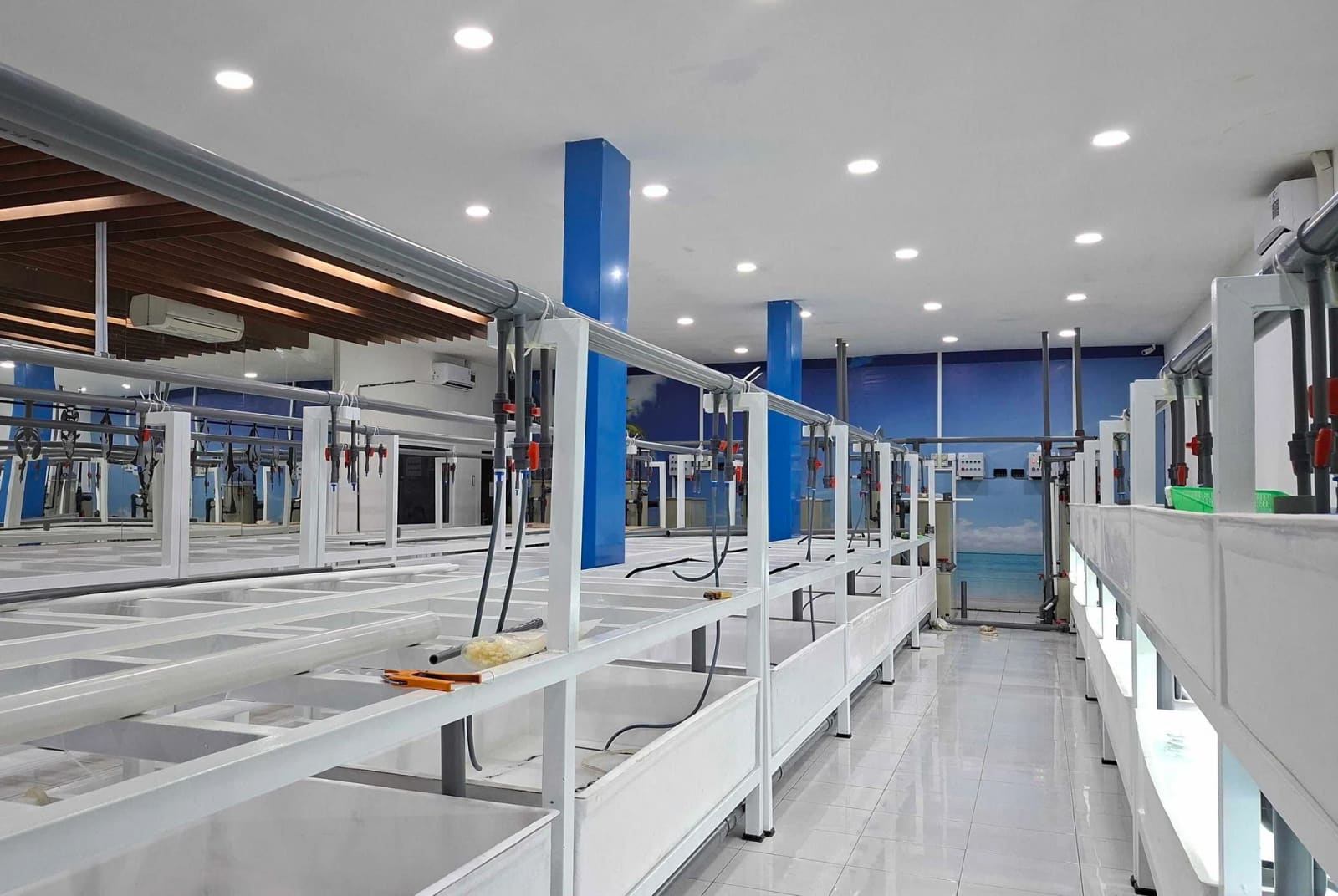
The subsidiary represents a US$3 million capital commitment split between a US$1 million operational base and a US$2 million seaside hatchery, according to Qian Hu. The Dili facility already houses a quarantine center designed to store seafood destined for export and wholesale markets, establishing the logistics backbone for future expansion.
Ownership Structure and Local Ties
Qian Hu holds a 55 percent controlling stake in Timor Aquahub International. The remaining equity is divided between Januario Pereira, Timor-Leste's former secretary of state for electricity, water, and urbanization, who owns 25 percent, and Singaporean Roger Koh with 20 percent. Koh serves as managing director of the subsidiary and brings extensive experience from Indonesia's fishery sector, a credential that may prove valuable given the operational similarities between archipelagic aquaculture environments.
The inclusion of Pereira signals an intent to navigate regulatory and infrastructure challenges with insight from someone familiar with the country's policy apparatus. Timor-Leste declared independence in 2002 and remains one of Asia's youngest nations, with institutional frameworks still taking shape across sectors including maritime resource management.
Biodiversity as Competitive Advantage
Timor-Leste's territorial waters lie within the Coral Triangle, a region recognized for extraordinary marine biodiversity that extends across Indonesia, Malaysia, Papua New Guinea, the Philippines, and the Solomon Islands. The area supports more than 3,000 species of fish and 600 species of reef-building corals, creating a natural advantage for aquaculture ventures that depend on genetic diversity and ecosystem health.
While neighboring Indonesia has scaled industrial aquaculture operations over decades, Timor-Leste's sector remains underdeveloped, constrained by limited infrastructure, capital access, and technical expertise. This gap presents both risk and opportunity for early movers like Qian Hu, which can establish supply chains and relationships before competition intensifies.
Lobster Farming and Export Potential
Sustainable lobster farming forms a core pillar of the Timor Aquahub strategy. Global demand for premium seafood, particularly in China and broader East Asian markets, has driven interest in tropical lobster species such as ornate and painted rock lobsters. These species thrive in warm waters and command high prices in export markets, making them attractive targets for aquaculture investment.
The quarantine and storage infrastructure in Dili positions Timor Aquahub to manage live seafood logistics, a critical capability in maintaining product quality and meeting import standards in key destination markets. Singapore's role as a regional air cargo hub may also facilitate faster export routes compared to competitors operating from more remote locations.
Risks and Infrastructure Constraints
Timor-Leste's business environment presents tangible challenges. Power supply remains unreliable in many areas, and road networks are limited outside the capital. Access to skilled labor in aquaculture is scarce, and the regulatory environment for foreign investment continues to evolve. Qian Hu's partnership with local stakeholders may mitigate some of these risks, but execution will test the venture's operational resilience.
The company's track record in ornamental fish, a segment that requires precision in water quality management and logistics, may transfer well to lobster farming. However, scaling production in a frontier market with minimal aquaculture precedent will demand flexibility and sustained capital commitment beyond the initial US$3 million outlay.
Timor Aquahub's launch reflects a broader trend of Singapore-based agribusiness and aquaculture firms seeking growth in less saturated Southeast Asian markets. Whether the biodiversity advantage and first-mover positioning translate into profitable operations will depend on infrastructure development, market access execution, and the subsidiary's ability to build local capacity in a sector still finding its footing.
RELATED STORIES

Singapore Wage Council Opens Consultation for 2026-2027 Guidelines
Priyanka V. Rao · 2 min

Southeast Asian Workers Embrace AI Tools Faster Than Global Peers
Priyanka V. Rao · 3 min

Utah Positions Itself as Lower-Profile Alternative to Texas for Asian Capital
Priyanka V. Rao · 4 min

Singapore Banks Hit Record Highs on Wealth Management Surge
Priyanka V. Rao · 2 min
Spot something wrong? Email editor@briefasia.com. We log every correction publicly.