Finance · Markets
Ping An Posts 4.9% Ten-Year Investment Return Above Industry Benchmark
China's insurance giant delivers steady yields through long-term allocation strategy, outpacing sector average and internal targets through mid-2026
KEY TAKEAWAYS
- ·Ping An Insurance achieved a 4.9% comprehensive investment yield over ten years ending June 2026, surpassing the industry average of 4.8% and its internal benchmarks.
- ·The performance reflects disciplined long-term asset allocation across fixed income, equities, and alternatives during a decade marked by volatility and regulatory tightening in China.
- ·Sustained outperformance provides Ping An with capital flexibility and supports underwriting margins in long-duration life and annuity products amid a lower-rate environment.
Outperformance on Both Fronts
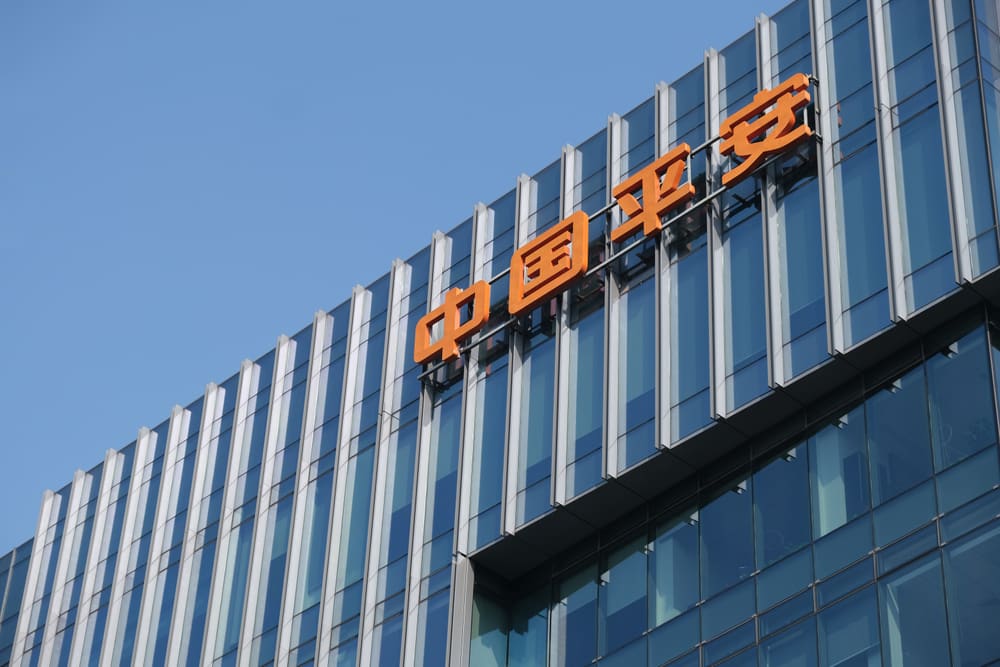
Ping An Insurance Group delivered a ten-year average comprehensive investment yield of 4.9% through the first half of 2026, according to the company. The figure sits above the Chinese insurance industry's 4.8% average for the same period and surpasses Ping An's own internal performance targets.
The result underscores the effectiveness of the Shenzhen-based conglomerate's long-term investment approach in an environment where many Asian insurers have struggled with volatile equity markets, compressed bond yields, and currency headwinds. Ping An manages one of the largest insurance asset portfolios in China, with exposure spanning domestic equities, fixed income, alternative assets, and offshore markets.
Steady Discipline in a Turbulent Decade
The ten-year window captures a period marked by regulatory tightening in China's financial sector, the pandemic's economic disruption, and sharp swings in both onshore and offshore asset prices. Insurers across the region have faced pressure to balance yield targets with rising capital requirements and solvency constraints.
Ping An's ability to maintain a return above its internal hurdle rate suggests the firm has avoided reaching for yield in riskier segments, a temptation that has tripped up peers during low-rate cycles. The company has historically favored a barbell strategy, pairing high-grade fixed income with selective equity and real estate allocations, while using alternatives to dampen volatility.
Industry Context and Allocation Strategy
Chinese insurers have seen their investment returns compress over the past five years as domestic bond yields trended lower and equity market gains proved episodic. The 4.8% industry average reflects a sector still dependent on interest-rate-sensitive products, with limited room to maneuver when policy rates decline.
Ping An's marginal outperformance, while modest in absolute terms, signals consistent execution rather than outsized bets. The company has emphasized duration matching, credit discipline, and geographic diversification, particularly as it expanded its asset management arm and built out capabilities in private markets.
The firm's investment portfolio benefits from scale, allowing access to infrastructure debt, real estate equity, and offshore credit opportunities that smaller insurers cannot easily replicate. Ping An has also been active in technology-sector investments, though it has tempered exposure following regulatory crackdowns on platform companies in recent years.
What It Means for Capital Deployment
For institutional observers, the numbers reinforce the value of patient capital and disciplined rebalancing. Ping An's result did not rely on timing market peaks or chasing high-beta assets; instead, it reflects a willingness to lock in yields during favorable windows and maintain allocation discipline when valuations stretched.
The outperformance also provides the insurer with additional flexibility in product pricing and capital management. A stable investment yield supports underwriting margins, particularly in long-duration life and annuity products where return assumptions are embedded in policyholder guarantees.
Looking ahead, Ping An faces the same macro challenges confronting the broader Asian insurance sector: aging demographics, regulatory scrutiny of asset-liability mismatches, and the need to generate returns in a lower-for-longer rate environment. The company's track record through mid-2026 suggests it has the governance and risk frameworks to navigate those pressures, but the margin for error remains thin.
The insurance industry's aggregate performance will likely remain anchored near current levels unless China's economic growth accelerates or offshore markets deliver sustained rallies. Ping An's incremental edge, sustained over a decade, may prove more valuable than headline-grabbing gains that reverse in subsequent cycles.
RELATED STORIES
Ping An Eyes Hong Kong ETF Market as Beijing Opens Cross-Border Insurance Capital
Cheng Wei-Lun · 4 min

International Traders Turn to Perpetual Futures for China Tech Exposure
Cheng Wei-Lun · 3 min
Hong Kong Dollar and Yuan Bonds Gain Ground as US Borrowing Costs Climb
Cheng Wei-Lun · 3 min

Unitree IPO and Alibaba's $10.2 Billion Raise Signal China's AI Infrastructure Push
Cheng Wei-Lun · 4 min
Spot something wrong? Email editor@briefasia.com. We log every correction publicly.