Finance · Markets
Hong Kong Dollar and Yuan Bonds Gain Ground as US Borrowing Costs Climb
Regional currency issuance set to expand through year-end as companies and governments pivot from dollar debt to capture lower rates
KEY TAKEAWAYS
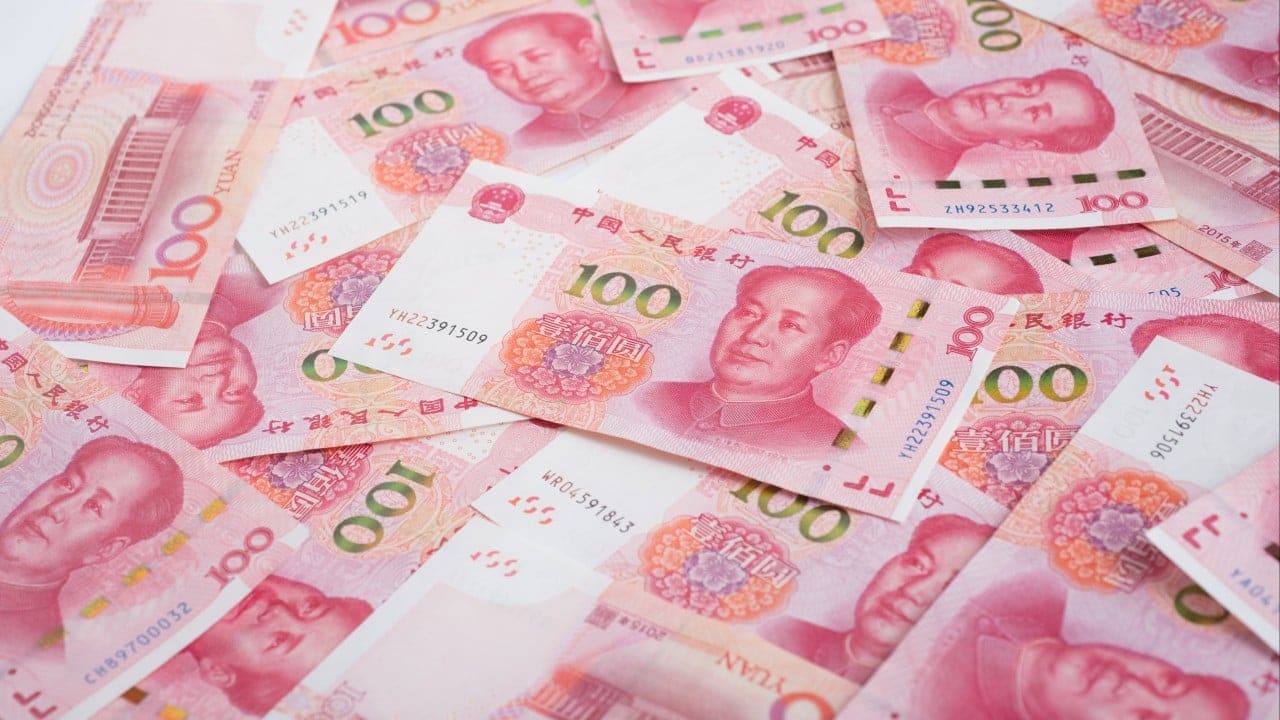
- ·Bond issuance in Hong Kong dollars and yuan is expanding as elevated US dollar funding costs push borrowers toward cheaper regional currency alternatives.
- ·Standard Chartered Bank expects continued growth in regional currency debt through the end of 2026, driven by interest rate differentials and currency matching strategies.
- ·The shift deepens local currency bond markets in Asia and reinforces Hong Kong's role as an offshore yuan hub while diversifying funding sources for mainland issuers.
Cheaper Alternatives Draw Issuers
Bond markets in Hong Kong and mainland China are experiencing sustained momentum as issuers increasingly turn to Hong Kong dollar and yuan-denominated debt instruments. The shift reflects a strategic retreat from US dollar bonds, where funding costs have risen sharply over recent quarters.
Standard Chartered Bank projects continued expansion in regional currency issuance through the remainder of 2026. David Yim Sau-king, who leads the bank's Greater China debt capital markets division, noted that elevated US dollar funding expenses have prompted borrowers to explore alternative currency denominations that deliver lower borrowing rates.
The trend marks a meaningful recalibration in Asia's debt capital markets. For years, US dollar bonds dominated issuance activity across the region, offering deep liquidity and access to global investor pools. That calculus has changed as interest rate differentials widened, making regional currency debt more economically attractive for both corporate and sovereign issuers.
Rate Differentials Drive the Pivot
The economics are straightforward. When US dollar borrowing costs rise faster than those in Hong Kong dollars or yuan, issuers with revenue streams or operations in those currencies can reduce their all-in funding expense by matching debt to cash flows. This also eliminates or reduces foreign exchange hedging costs, which can add significant basis points to effective yields.
Hong Kong's monetary authority maintains the local dollar within a tight band against the greenback, but interest rate dynamics between the two markets can diverge based on liquidity conditions and policy settings. Mainland China's onshore and offshore yuan rates respond to a distinct set of factors, including People's Bank of China policy signals, capital flow management, and domestic credit demand.
The result is a window where regional currency bonds offer compelling value. Issuers that previously defaulted to dollar debt are now running dual-track funding programs, tapping Hong Kong dollar or yuan markets when spreads favor those currencies.
Implications for Regional Capital Flows
This rebalancing has consequences beyond individual borrower balance sheets. Increased issuance in Hong Kong dollars and yuan deepens local currency bond markets, improving liquidity and pricing efficiency. It also broadens the investor base, as regional asset managers and insurance companies with local currency liabilities find more supply to match their needs.
For Hong Kong, the trend reinforces the city's role as a hub for offshore yuan business. Dim sum bonds, as yuan-denominated debt issued in Hong Kong is known, have seen periodic surges since their introduction more than a decade ago. The current cycle appears more durable, supported by both cost advantages and Beijing's continued efforts to internationalize the currency.
Mainland issuers benefit from diversified funding sources. State-owned enterprises and policy banks have historically leaned heavily on dollar debt to finance overseas projects and acquisitions. Shifting a portion of issuance to yuan or Hong Kong dollars reduces concentration risk and aligns funding with the geographic footprint of investments, particularly those tied to Belt and Road infrastructure or regional trade corridors.
What Comes Next
The trajectory of this shift will depend on the path of US monetary policy and the pace of rate adjustments in Asia. If the Federal Reserve holds rates elevated or raises them further, the incentive to issue in regional currencies strengthens. Conversely, any sharp dovish pivot in Washington could narrow rate differentials and slow the migration away from dollar debt.
Market infrastructure also matters. Settlement systems, clearing mechanisms, and investor appetite for non-dollar assets all influence issuance volumes. Hong Kong's well-developed financial plumbing supports efficient execution in both Hong Kong dollars and offshore yuan, giving the city a structural advantage as issuers diversify.
Standard Chartered's outlook suggests that these conditions will persist through at least the end of 2026, keeping regional currency bond issuance on an upward trajectory. For investors, that means a growing menu of options in Asia's fixed-income markets and a slow but steady shift in the region's debt capital architecture.
RELATED STORIES
Alibaba to Raise $10.2 Billion in Placement for AI Build-Out
Cheng Wei-Lun · 2 min
Ping An Eyes Hong Kong ETF Market as Beijing Opens Cross-Border Insurance Capital
Cheng Wei-Lun · 4 min
Alibaba Raises $13 Billion in Hong Kong to Accelerate AI Infrastructure Push
Cheng Wei-Lun · 3 min
Alibaba Raises HK$80 Billion to Accelerate AI Infrastructure Build-Out
Cheng Wei-Lun · 3 min
Spot something wrong? Email editor@briefasia.com. We log every correction publicly.