Technology · AI
Philippines Positions AI-Driven Pax Silica Hub as Economic Growth Catalyst
President Marcos frames proposed industrial park as gateway to strategic tech sectors and job creation
KEY TAKEAWAYS
- ·President Marcos announced the Pax Silica Industrial Hub as the foundation of the Philippines' push into AI and strategic technology industries.
- ·The hub aims to create jobs and improve the country's competitiveness in sectors where regional peers like Vietnam and Singapore have established leads.
- ·Execution details including location, investment scale, infrastructure commitments, and anchor tenants remain undisclosed and will determine the project's viability.
Manila's AI Bet
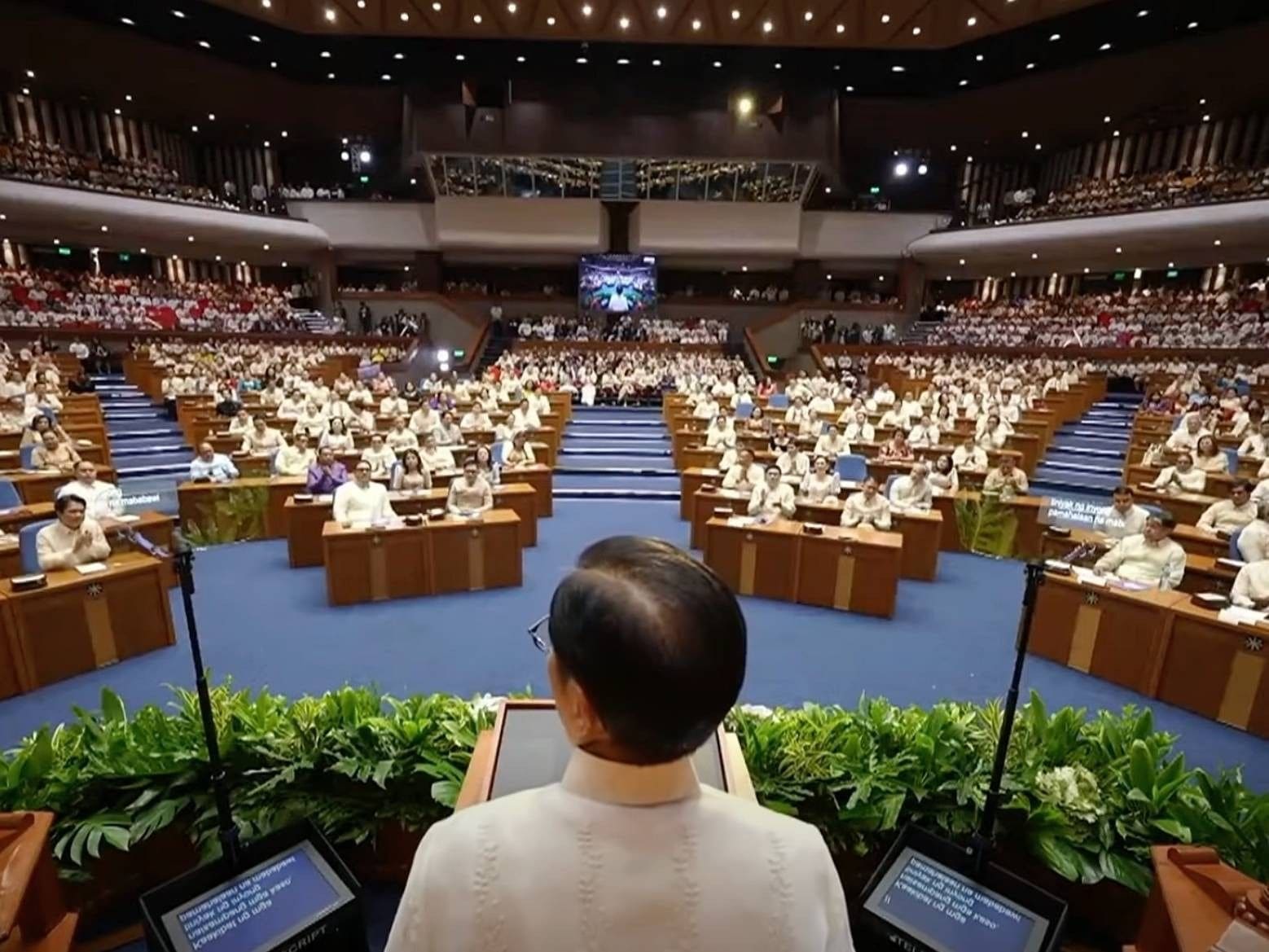
The Philippines is staking a claim in Asia's artificial intelligence race. President Ferdinand Marcos Jr. announced Monday that the proposed Pax Silica Industrial Hub will anchor the country's entry into strategic technology sectors, positioning the facility as the cornerstone of an AI-driven economic transformation.
The statement marks the most explicit articulation yet of Manila's intent to move beyond its established role in business process outsourcing and electronics assembly into higher-value tech manufacturing and AI infrastructure. Pax Silica represents a deliberate pivot toward industries where regional neighbors, particularly Singapore, Taiwan, and increasingly Vietnam, have built competitive advantages over the past decade.
The Strategic Shift
Marcos framed the hub as both a jobs engine and a competitiveness play, linking employment generation to the Philippines' ability to participate in supply chains that underpin artificial intelligence development. The emphasis on competitiveness reflects awareness that Southeast Asian economies are locked in a contest for foreign direct investment in semiconductor packaging, data center operations, and AI-related manufacturing.
The Philippines has lagged regional peers in attracting capital-intensive tech projects. Vietnam captured $15.5 billion in electronics manufacturing FDI in 2025, while the Philippines pulled in roughly $3.2 billion across all manufacturing sectors, according to data from the Philippine Statistics Authority. Pax Silica appears designed to close that gap by offering a dedicated zone for AI and related technologies.
What Pax Silica Entails
Details on the hub remain sparse. No location, investment figure, or timeline has been publicly disclosed. The name itself, Pax Silica, evokes silicon-based technologies and suggests a focus on semiconductor-adjacent industries, though the scope could extend to cloud computing, machine learning infrastructure, or electronics manufacturing that feeds AI hardware supply chains.
The government has not specified whether Pax Silica will be a greenfield development or leverage existing special economic zones. The Philippines operates more than 400 economic zones through the Philippine Economic Zone Authority, but few are equipped with the power stability, water supply, and logistics infrastructure that advanced semiconductor or data center operations require.
Regional Context
The announcement comes as Southeast Asian governments compete to position themselves as AI hubs. Singapore has committed $1 billion to AI research and talent development. Malaysia is courting hyperscale data centers with tax incentives and streamlined permitting. Thailand is marketing itself as a regional AI testing ground, leveraging its automotive and electronics base.
The Philippines brings different assets: a large, English-speaking workforce with technical training, a growing domestic market of 115 million people, and a strategic location between Northeast Asian suppliers and Southeast Asian manufacturing hubs. The challenge is translating those advantages into infrastructure and policy frameworks that can attract companies making multi-billion-dollar capital allocation decisions.
The Jobs and Competitiveness Equation
Marcos linked the hub directly to employment, a politically sensitive issue in a country where underemployment sits above 12 percent and labor migration remains a safety valve for economic pressure. AI-related industries can generate high-paying technical jobs, but they also demand skills that the Philippine education system has struggled to supply at scale.
The competitiveness angle is equally pressing. The Philippines ranks 56th in the World Economic Forum's Global Competitiveness Index, behind Thailand, Malaysia, Indonesia, and Vietnam. Chronic infrastructure deficits, regulatory complexity, and electricity costs that are among the highest in Asia have deterred investment in power-hungry industries like chip packaging and data centers.
Pax Silica, if executed with adequate infrastructure and streamlined regulation, could signal a shift in how Manila approaches industrial policy. The question is whether the government can deliver the enabling environment before investor attention moves elsewhere.
What to Watch
The success of Pax Silica will hinge on execution details that remain undisclosed: land acquisition, power supply commitments, fiscal incentives, and the ability to attract anchor tenants. Announcements of partnerships with semiconductor firms, cloud providers, or AI hardware manufacturers would lend credibility. So would clarity on financing, particularly whether the hub will rely on public funds, public-private partnerships, or foreign investment.
The Philippines has a mixed record on flagship infrastructure projects. Some, like the Clark International Airport expansion, have moved forward. Others, like the Sangley Point International Airport, have stalled in planning. Pax Silica's trajectory will be a test of whether the Marcos administration can translate strategic ambition into operational reality in a sector where timing and scale determine competitiveness.
For now, the hub remains a statement of intent. Whether it becomes a functional node in Asia's AI infrastructure will depend on the details that follow.
RELATED STORIES

Jollibee Shifts IPO Plans to Hong Kong After US Listing Target
Cheng Wei-Lun · 3 min

Philippine Water Operator Earmarks $400 Million for Southeast Asia Expansion
Mariel D. Santos · 2 min

Philippines Energy Budget Climbs 26% as Electric Vehicle Funding Surges
Priyanka V. Rao · 3 min
Seventeen Firms Compete for Manila's $200 Million Geothermal Risk Fund
Priyanka V. Rao · 3 min
Spot something wrong? Email editor@briefasia.com. We log every correction publicly.