Asia · Trade
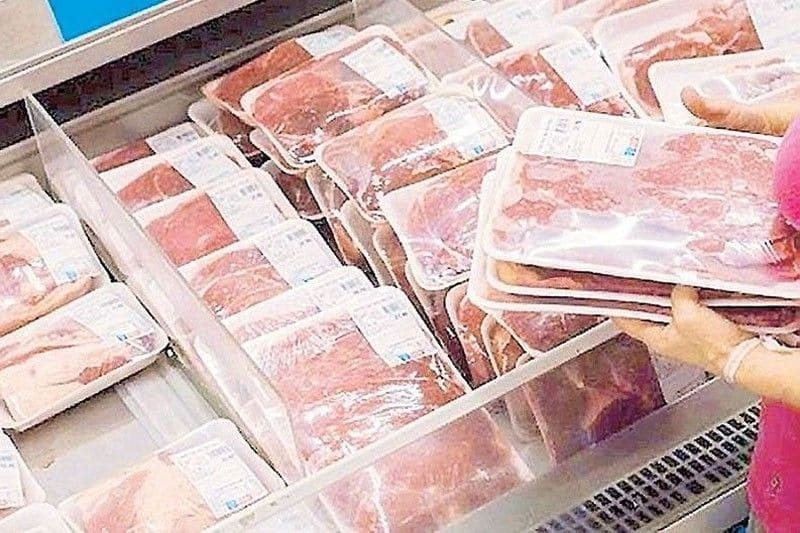
Philippines Meat Imports Jump 33% as Pork Shipments Surge
The country imported 872,274 metric tons in the first half, driven by government policy changes and rising demand for processed meat ingredients.
KEY TAKEAWAYS
- ·Philippines imported 872,274 metric tons of meat in the first half of 2026, a 33 percent increase from 778,100 metric tons in the same period of 2025.
- ·Pork shipments rose 11 percent to 455,381 metric tons, accounting for more than half of total imports, following Executive Order 116 expanding import quotas.
- ·Brazil supplied 429,691 metric tons, nearly half of all meat imports, with the US and Australia trailing at 105,380 and 47,629 metric tons respectively.
Record Import Volume in First Half
The Philippines brought in 872,274 metric tons of meat during the first six months of 2026, marking a 33 percent increase from 778,100 metric tons in the same period last year, according to the Bureau of Animal Industry.
Pork dominated the import surge, accounting for more than half of total meat shipments. The country purchased 455,381 metric tons of pork products between January and June, an 11 percent rise from 409,693 metric tons a year earlier. The breakdown shows 204,183 metric tons of pork cuts, 131,378 metric tons of offals, 65,558 metric tons of pork bellies, and 34,348 metric tons of pork fat.
The increase follows policy adjustments by President Marcos, who signed Executive Order 116 to expand the minimum access volume for imported pork from 54,210 metric tons to 204,210 metric tons. The move aims to stabilize retail prices as domestic supply struggles to keep pace with demand.
Trigger Mechanism for Price Control
The Department of Agriculture is developing a price-based trigger system tied to the expanded import quota. Under the proposed mechanism, lower-tariff imports would be authorized once retail pork prices exceed approximately 430 pesos per kilogram for at least one month. This approach reflects Manila's attempt to balance domestic producer interests with consumer price pressures in a country where pork remains a dietary staple.
Chicken imports climbed nearly 14 percent to 291,497 metric tons from 253,844 metric tons in the first half of 2025. Mechanically deboned meat made up 170,053 metric tons, or 58 percent of total chicken shipments. The ingredient is essential for manufacturers producing hotdogs, meat loaves, and other processed products that have gained market share in Philippine retail and food service channels.
Beef and Regional Supply Patterns
Beef shipments rose four percent year-on-year to 95,769 metric tons from 91,649 metric tons, with cuts comprising 62,141 metric tons of the total. The modest growth contrasts with the sharper increases in pork and poultry, suggesting more stable pricing and supply dynamics in the beef segment.
Brazil emerged as the Philippines' largest meat supplier in the first half, delivering 429,691 metric tons. The United States ranked second with 105,380 metric tons, followed by Australia at 47,629 metric tons. Brazil's dominance reflects its competitive pricing and capacity to meet volume requirements for both pork and poultry, while U.S. shipments skew toward higher-value cuts and offals.
Implications for Domestic Producers
The sharp rise in imports underscores the ongoing tension between protecting local livestock farmers and managing food inflation. Philippine hog raisers have long argued that import surges depress farmgate prices and threaten livelihoods, while consumer groups and processors welcome cheaper supply.
The government's expanded quota and trigger-price mechanism represent a middle path, but implementation will determine whether the policy achieves its dual goals. If retail prices remain elevated despite higher import volumes, pressure will mount for further quota increases or tariff reductions. Conversely, if imports flood the market and farmgate prices collapse, agricultural lobbies will push for stricter controls.
Trade data for the second half will clarify whether the first-half surge reflects a structural shift or a temporary adjustment to supply shocks. With Brazil consolidating its position as the dominant supplier, Philippine importers are likely to continue leveraging South American capacity to meet domestic demand, reshaping the archipelago's meat supply chains in the process.
RELATED STORIES

Philippine Water Operator Earmarks $400 Million for Southeast Asia Expansion
Mariel D. Santos · 2 min
Philippine Manufacturing Expands at Fastest Pace Since 2016
Priyanka V. Rao · 3 min

Five ASEAN Members Back Regional Oil Stockpile as Study Nears Completion
Tran Quoc Bao · 3 min

PhilWeb Trading Halted After P4.2 Billion JKS Tech Bet
Tran Quoc Bao · 3 min
Spot something wrong? Email editor@briefasia.com. We log every correction publicly.