Asia · Trade
Philippines Halts Meat Imports from Seven Middle East and Mediterranean Nations
Manila moves to block live animals and meat products from Azerbaijan, Bahrain, Cyprus, Iraq, Israel, Kuwait, and Palestine as foot-and-mouth disease serotype SAT1 spreads across the regions.
KEY TAKEAWAYS
- ·The Philippine Department of Agriculture has banned live animal and meat imports from seven countries following confirmed foot-and-mouth disease serotype SAT1 outbreaks in those regions.
- ·Processed goods including ultra-high temperature milk, heat-treated meat products, and lime-treated hides remain eligible for import despite the broader restrictions on raw animal products.
- ·Greece regained market access after the World Organisation for Animal Health reinstated its FMD-free status following successful containment of a Lesvos sheep outbreak.
Import Ban Targets FMD Risk
The Philippine Department of Agriculture has ordered an immediate halt to live animal and meat product imports from seven countries across the Middle East and Mediterranean, citing confirmed outbreaks of foot-and-mouth disease serotype SAT1. Azerbaijan, Bahrain, Cyprus, Iraq, Israel, Kuwait, and Palestine are now subject to the ban under Department Circular 39.
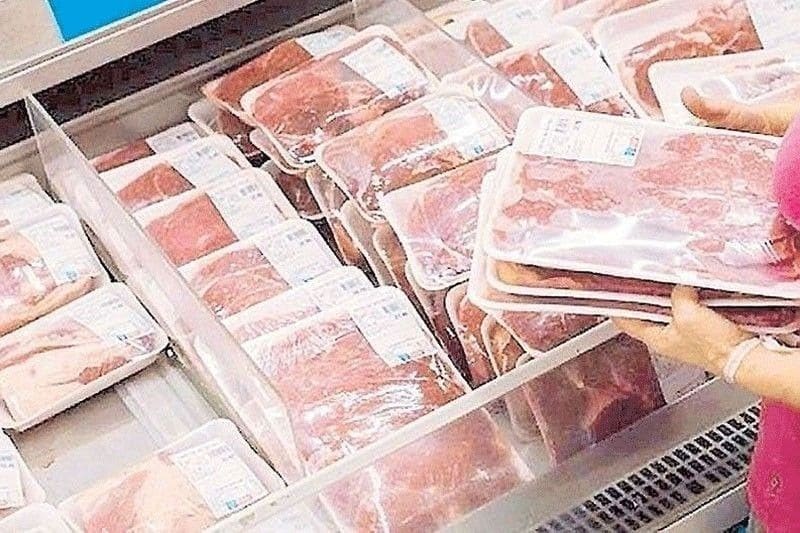
The restriction covers skeletal muscle meat, casings, tallow, hooves, horns, and live swine, bovines, and water buffaloes. Veterinary quarantine officers at major Philippine ports have been directed to confiscate any shipments originating from the affected countries upon arrival.
According to the Department of Agriculture, the decision follows an official report from the United Nations Food and Agriculture Organization confirming laboratory detection of the FMD virus serotype SAT1 in coordination with the World Reference Laboratory for Foot-and-Mouth Disease and the World Organisation for Animal Health reference laboratory network.
Selective Exemptions for Processed Goods
Despite the broad import ban, Manila has carved out exemptions for specific processed products deemed low-risk. Ultra-high temperature milk and its derivatives, heat-treated meat products, protein meal including gelatine, and lime-treated hides and pelts remain eligible for entry into the Philippine market.
The differentiated approach reflects risk assessment protocols that distinguish between raw animal products carrying higher pathogen transmission potential and processed goods subjected to heat or chemical treatments that neutralize viral loads.
Greece Regains Market Access
In a parallel move, the Department of Agriculture lifted its import ban on Greek meat products after the World Organisation for Animal Health reinstated the European nation's FMD-free status. Department Circular 38 authorized the resumption of Greek animal product imports following the country's successful containment of an outbreak that had affected domestic sheep in Lesvos.
Greece's reinstatement came after it met WOAH requirements under the Terrestrial Code, demonstrating effective disease surveillance, containment measures, and veterinary infrastructure capable of preventing future outbreaks.
Economic Stakes for Philippine Livestock
Foot-and-mouth disease poses no direct threat to human health but can devastate livestock economies. The virus affects cloven-hoofed animals including cattle, pigs, goats, sheep, and water buffaloes, triggering severe productivity losses, trade restrictions, and culling programs that ripple through agricultural supply chains.
The Philippines maintains a vigilant stance on FMD given the disease's potential to cripple its domestic livestock sector, which supplies protein to a population of more than 115 million. Previous outbreaks in Southeast Asia have resulted in billions of dollars in economic losses, depressed meat prices, and prolonged export bans that isolated affected countries from regional trade networks.
The current import restrictions underscore Manila's priority of protecting its FMD-susceptible animal population from external pathogen introduction, particularly as serotype SAT1 represents a strain historically concentrated in Africa and the Middle East with limited presence in Southeast Asia.
Regional Surveillance and Trade Implications
The ban adds the Philippines to a growing list of Asian nations tightening biosecurity measures in response to the SAT1 serotype's geographic expansion. Regional trade in live animals and fresh meat faces heightened scrutiny as importing countries balance food security needs against the risk of introducing novel disease strains into livestock populations lacking prior exposure or immunity.
For exporters in the seven affected countries, the Philippine market closure compounds trade challenges already imposed by other importing nations. Middle Eastern producers, in particular, face narrowing access to Asian markets that have historically absorbed surplus production and provided price support during regional supply gluts.
The Department of Agriculture's dual circulars signal a dynamic approach to import policy, with restrictions imposed and lifted based on real-time disease surveillance data and international certification. This responsiveness aims to minimize unnecessary trade disruption while maintaining rigorous protection against animal disease incursions that could undermine the Philippines' livestock industry and food supply stability.
RELATED STORIES

Philippines Ships 17 Tons of Produce to Saudi Arabia in Latest Middle East Export Push
Mariel D. Santos · 2 min
San Miguel's Ramon Ang Takes Quarter Stake in Lopez Holding Company
Priyanka V. Rao · 5 min

Manila Eyes Nickel Processing to Escape China's Price Control
Priyanka V. Rao · 4 min

ASEAN Targets Fourth-Largest Economy Spot as Internal Trade Lags Behind
Priyanka V. Rao · 3 min
Spot something wrong? Email editor@briefasia.com. We log every correction publicly.