Asia · Trade
Philippines Farm Trade Gap Jumps 30 Percent as Imports Outpace Exports
Agricultural deficit reached $1.06 billion in June, driven by a 14.3 percent surge in imports while export receipts hit their lowest level in 16 months
KEY TAKEAWAYS
- ·The Philippines posted a $1.06 billion agricultural trade deficit in June, a 30 percent increase from $813.16 million in the same month last year.
- ·Farm imports surged 14.3 percent to $1.77 billion, with cereals accounting for $441.93 million and Vietnam serving as the top ASEAN supplier at $221.72 million.
- ·Agricultural exports declined 3.6 percent to $706.92 million, the lowest level in 16 months, highlighting weakening competitiveness in traditional export categories.
Widening Imbalance
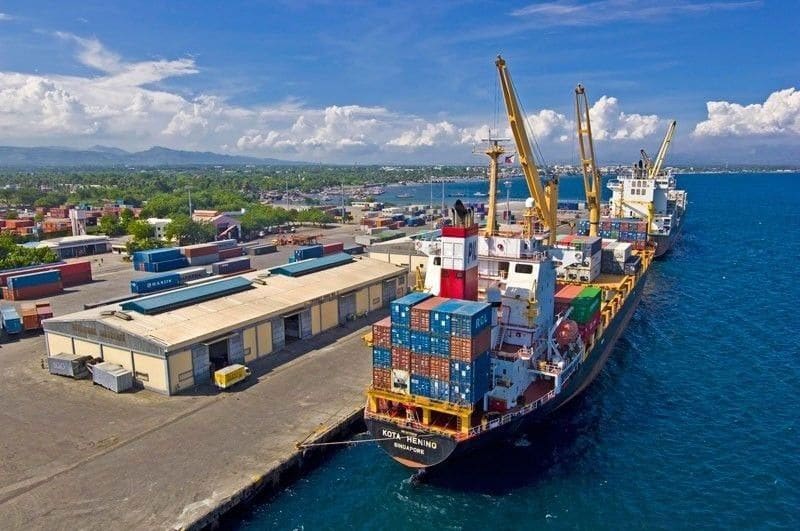
The Philippines recorded a $1.06 billion agricultural trade deficit in June, marking a 30 percent increase from the $813.16 million gap registered in the same month a year earlier, according to the Philippine Statistics Authority. The deterioration reversed a 5.2 percent decline seen in June 2025 and accelerated from the 1.2 percent increase posted in May.
Total agricultural trade reached $2.47 billion during the month, up 8.5 percent year-on-year, with imports accounting for 71.4 percent of the total and exports making up the remaining 28.6 percent.
Import Surge
Agricultural imports climbed 14.3 percent to $1.77 billion in June from $1.55 billion a year earlier, representing 12.9 percent of the country's total import bill. The top 10 farm imports grew 17.2 percent in value to $1.49 billion, comprising 84.6 percent of all agricultural imports.
Cereals dominated the import basket, accounting for $441.93 million, or 25 percent of total imported farm commodities. Among regional suppliers, Vietnam remained the leading source of agricultural goods within ASEAN, delivering $221.72 million worth of products. Total ASEAN imports stood at $708.76 million in June.
Spain continued as the Philippines' top European Union supplier, with farm goods valued at $22.65 million. Imports from EU countries totaled $130.23 million during the month.
Export Contraction
Agricultural exports fell 3.6 percent to $706.92 million in June, the lowest monthly figure in 16 months since February 2025, when exports totaled $700.35 million. Farm products accounted for 8.1 percent of the country's total export receipts.
The top 10 exported commodities made up 97 percent of agricultural export earnings, valued at $686.02 million, a 3.7 percent increase from the previous year. Leading exports included animal, vegetable, and microbial fats and oils, along with their cleavage products, prepared edible fats, and animal or vegetable waxes.
Within ASEAN, the Philippines shipped $72.87 million worth of farm products in May, with Malaysia emerging as the largest buyer at $30.5 million. Exports to EU member states reached $195.96 million in June, with the Netherlands absorbing the largest share at $130.9 million.
Regional Trade Patterns
The trade figures underscore the Philippines' dependence on external sources for staple commodities, particularly cereals, even as the country attempts to strengthen domestic agricultural production. The widening deficit reflects both structural import reliance and weakening competitiveness in traditional export categories.
Vietnam's position as the top ASEAN supplier highlights the intensity of intra-regional agricultural flows, with Southeast Asian nations increasingly integrated through food and raw material trade. The Philippines' import basket from the region spans rice, fruits, and processed agricultural products, while its exports remain concentrated in higher-value processed goods and specialty items.
The decline in export performance comes amid global headwinds affecting commodity prices and logistics costs. Philippine exporters face competition from lower-cost producers in the region, while domestic supply constraints and weather-related disruptions have limited the availability of exportable surpluses.
Outlook
The June data points to persistent challenges in narrowing the agricultural trade gap. Import demand remains robust, driven by population growth and limited domestic production capacity for key staples. Meanwhile, export growth has stalled, weighed down by competitiveness issues and volatile global demand.
Policymakers continue to emphasize investments in irrigation, post-harvest facilities, and crop diversification to boost productivity and reduce import dependence. However, structural reforms in land tenure, credit access, and market infrastructure remain slow-moving, leaving the sector vulnerable to external shocks and price volatility.
The trajectory of the agricultural trade balance will hinge on whether domestic production gains can offset rising consumption needs, and whether export sectors can regain momentum in an increasingly competitive regional landscape.
RELATED STORIES

Philippines SEC and BIR Launch Unified Filing Portal to Cut Compliance Burden
Priyanka V. Rao · 4 min
Philippines Halts Meat Imports from Seven Middle East and Mediterranean Nations
Priyanka V. Rao · 3 min
San Miguel's Ramon Ang Takes Quarter Stake in Lopez Holding Company
Priyanka V. Rao · 5 min
ASEAN Targets Fourth-Largest Economy Spot as Internal Trade Lags Behind
Priyanka V. Rao · 3 min
Spot something wrong? Email editor@briefasia.com. We log every correction publicly.