Asia · Business
Philippines Farm Output Rebounds 2.9% in Q2 as Rice Harvest Hits Record
Growth reverses first-quarter contraction, driven by poultry surge and record palay production, though concerns persist over sector volatility ahead of El Niño impact
KEY TAKEAWAYS
- ·Philippine agricultural output grew 2.9 percent in the second quarter of 2026, reversing a 0.3 percent first-quarter contraction, with total production valued at 452.22 billion pesos.
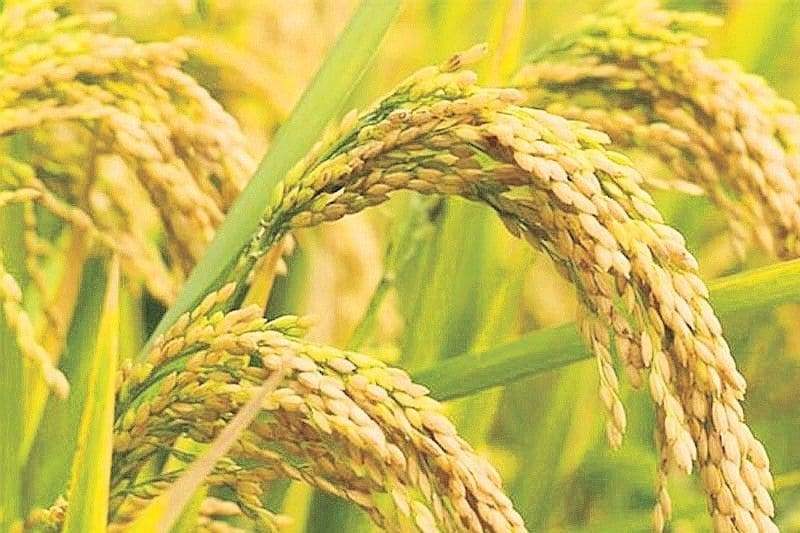
- ·Palay production hit a record 4.63 million metric tons while poultry expanded 6.3 percent, driven by a 13.2 percent surge in chicken egg output.
- ·A very strong El Niño episode forecast for October to December threatens to slow production in the final quarter, alongside rising fertilizer and fuel costs.
Recovery Momentum After Rocky Start
Philippine agricultural production expanded 2.9 percent in the second quarter of 2026, reversing a contraction in the opening three months of the year and signaling a tentative recovery across crops, livestock, poultry, and fisheries. The sector's value of production reached 452.22 billion pesos in the April to June period, up from 439.66 billion pesos a year earlier, according to data from the Philippine Statistics Authority, calculated at constant 2018 prices to remove inflation effects.
The expansion marks a turnaround from a 0.3 percent decline in the first quarter, though it trails the six percent growth recorded in the same period last year. For the first half of 2026, agricultural output totaled 889.68 billion pesos, a modest 1.3 percent increase from 878.31 billion pesos in the prior year.
Rice Production Reaches New Peak
Crop production contributed the largest share, accounting for 55 percent of total agricultural output with a value of 248.9 billion pesos, up 1.6 percent from the previous year. Within the crops segment, palay production surged 5.7 percent to reach a record 4.63 million metric tons, while corn output grew at a slower 0.8 percent.
Agriculture Secretary Francisco Tiu Laurel Jr. attributed the rice harvest gains to a temporary suspension of rice imports between September and December last year, which lifted farmgate prices and encouraged farmers to plant more aggressively. The policy shift appears to have paid dividends in production volume, at least in the near term.
Yet the gains have not satisfied all observers. Raul Montemayor, national manager of the Federation of Free Farmers, expressed concern over the sector's inconsistent performance despite sustained government investment. He noted that billions of pesos have been channeled into agriculture without establishing a stable growth trajectory.
Poultry and Livestock Lead Expansion
The poultry sector delivered the strongest performance, expanding 6.3 percent to 79.84 billion pesos and contributing 17.7 percent of total agricultural output. Chicken egg production jumped 13.2 percent year-on-year, while chicken meat output rose 4.1 percent, reflecting steady consumer demand and improved production conditions.
Marie Annette Galvez-Dacul, executive director of the Center for Food and Agri Business at the University of Asia and the Pacific, attributed the poultry and livestock gains to stable consumer appetite and better operating environments for producers.
Livestock production climbed 3.6 percent to 61.83 billion pesos, representing 13.7 percent of the sector. Local hog production increased 5.6 percent, while dairy output surged 37.8 percent, suggesting domestic producers are capturing a larger share of protein and dairy markets.
Fisheries Post Modest Gains
The fisheries sector, contributing 13.6 percent of agricultural output, grew 2.7 percent in the second quarter to 61.64 billion pesos. The segment's performance, while positive, lagged behind poultry and livestock, reflecting the sector's ongoing challenges with infrastructure, climate variability, and market access.
El Niño Clouds Outlook
Tiu Laurel emphasized that the second-quarter gains provide a buffer against the anticipated production slowdown in the final months of 2026, when El Niño is expected to intensify. The agriculture chief acknowledged that weather patterns remain beyond government control but stressed that equipping farmers with irrigation, mechanization, climate-smart technologies, quality seeds, modern post-harvest facilities, and better market access can mitigate the impact.
Former agriculture undersecretary Fermin Adriano noted that favorable weather in the second quarter supported growth but warned that the remaining months of 2026 will face the brunt of El Niño's effects, compounded by elevated fertilizer and fuel prices. PAGASA, the state weather bureau, has forecast a very strong El Niño episode from October to December, potentially lasting into early 2027.
The second-quarter rebound offers a measure of relief for a sector that has struggled with volatility, but the combination of erratic growth patterns, looming climate stress, and rising input costs suggests the Philippine agriculture story remains far from stable. Whether the current momentum can be sustained through the second half of the year will depend heavily on how well farmers and policymakers navigate the weather and price pressures ahead.
RELATED STORIES
Philippines Halts Meat Imports from Seven Middle East and Mediterranean Nations
Priyanka V. Rao · 3 min
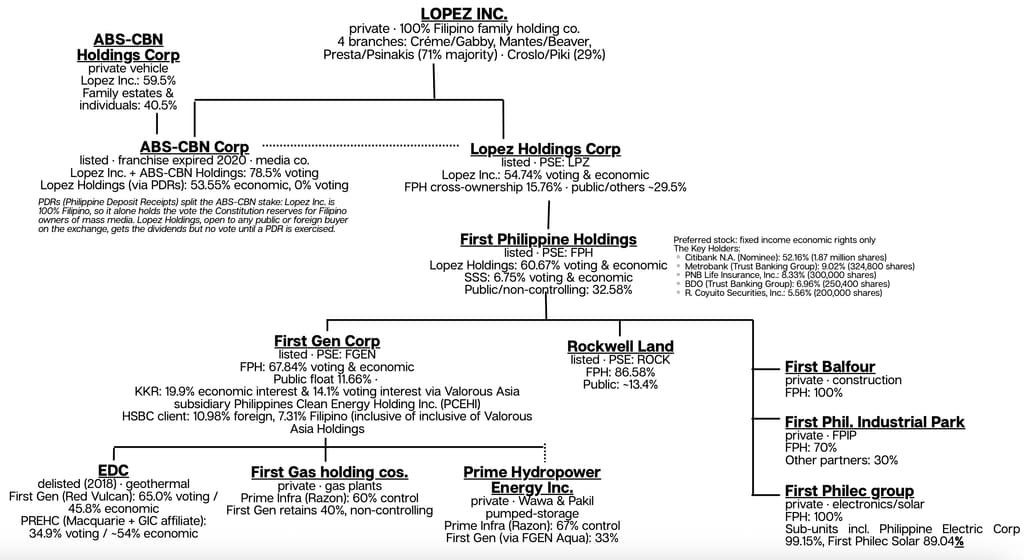
San Miguel's Ramon Ang Takes Quarter Stake in Lopez Holding Company
Priyanka V. Rao · 5 min

Manila Eyes Nickel Processing to Escape China's Price Control
Priyanka V. Rao · 4 min

San Miguel's Ramon Ang Enters Lopez Family Holding Amid Boardroom Battle
Priyanka V. Rao · 3 min
Spot something wrong? Email editor@briefasia.com. We log every correction publicly.