Asia · Politics
Philippines Faces July Inflation Surge Amid Rising Oil and Power Costs
The central bank projects inflation could reach as high as 6.6 percent as fuel prices jump and electricity rates hit regional highs, testing the government's economic management.
KEY TAKEAWAYS
- ·Bangko Sentral ng Pilipinas forecasts July inflation between 5.6 and 6.6 percent, driven by rising oil prices and electricity costs that reached ₱12.43 per kilowatt-hour, the highest in Southeast Asia.
- ·Fuel prices surged ₱3 to ₱11 per liter in late July following renewed West Asia tensions, while the peso hit a record low of 61.847 against the dollar on July 24, amplifying import cost pressures.
- ·President Marcos proposed scrapping system loss charges from electricity bills during his State of the Nation Address, as food staple prices offer limited relief against broader energy-driven inflation.
Inflation Pressure Builds
Bangko Sentral ng Pilipinas projects inflation for July will land between 5.6 and 6.6 percent, marking a potential reversal of the brief moderation seen in June. The central bank pointed to elevated petroleum prices and electricity costs as the primary forces pushing consumer prices higher across the archipelago.
The forecast comes as Manila grapples with a confluence of energy shocks that threaten household budgets and business margins. Domestic pump prices have climbed sharply in recent weeks, with diesel, kerosene, and gasoline products posting increases ranging from ₱3 to ₱11 per liter in late July, followed by another round of ₱4 to ₱7 hikes. The escalation follows renewed tensions in West Asia after mid-July, which disrupted the brief respite in global oil markets that had helped ease June's 6.4 percent inflation reading.
Power Rates Hit Regional Peak
Electricity costs have emerged as a parallel concern. The Department of Energy confirmed that the country's average power price reached ₱12.43 per kilowatt-hour, the highest in Southeast Asia. The figure underscores the structural challenges facing the Philippine grid, where transmission losses, capacity constraints, and fuel mix dependencies continue to strain consumers.
During his State of the Nation Address earlier this week, President Ferdinand Marcos Jr. addressed the electricity burden directly, proposing the removal of system loss charges from consumer bills. The charges, which compensate utilities for technical and non-technical losses in the distribution network, have long been a flashpoint for consumer groups and lawmakers who argue they unfairly shift operational inefficiencies onto households.
The Senate energy committee has since intensified scrutiny of the Energy Regulatory Commission and energy officials over the issue, signaling legislative momentum for tariff reform measures.
Currency Pressure Adds to Headwinds
The peso's depreciation has compounded import cost pressures. On July 24, the currency touched 61.847 against the US dollar, a fresh record low that reflects both domestic vulnerabilities and the broader strength of the greenback amid divergent monetary policy trajectories. For an economy heavily reliant on imported fuel, food inputs, and capital goods, a weaker peso translates directly into higher domestic prices.
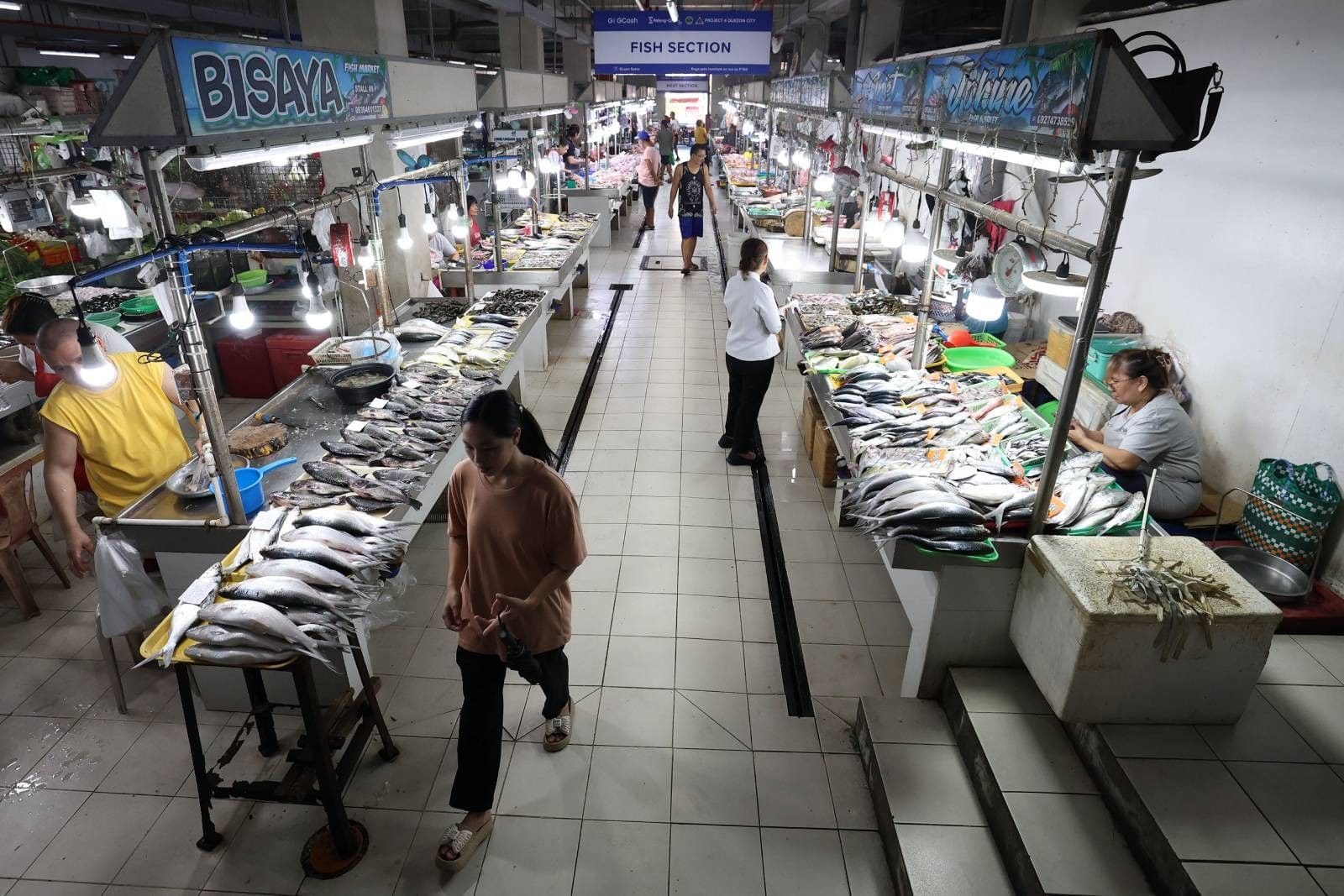
Bangko Sentral ng Pilipinas cited the peso's slide as one of the upside risks to its inflation outlook, alongside rising fish prices. The central bank has maintained a hawkish stance in recent months, prioritizing price stability even as economic growth moderates.
Food Prices Offer Limited Relief
Not all categories are adding to inflation pressure. The central bank noted that prices of key food staples, including rice, meat, vegetables, and fruits, have softened in recent weeks. These commodities account for a significant share of the consumer basket, particularly for lower-income households, and any sustained decline could help offset some of the energy-driven inflation.
However, the interplay between food and energy inflation remains complex. Transport costs directly affect food distribution, and higher electricity rates impact cold storage and processing. Whether food price relief can meaningfully dampen headline inflation will depend on how long energy prices remain elevated and how quickly supply chains adjust.
Policy Crossroads
The inflation trajectory places Bangko Sentral ng Pilipinas in a delicate position. If July's outturn lands at the upper end of the forecast range, policymakers will face renewed pressure to hold or tighten rates, even as the economy shows signs of fatigue. The government's fiscal position, meanwhile, has come under strain, with outstanding debt climbing to a record ₱19.07 trillion as of end-June.
The combination of high inflation, elevated debt, and currency weakness limits the policy toolkit available to Manila. Subsidy programs for transport and vulnerable sectors have provided some cushion, but their fiscal cost is mounting. Structural reforms to energy pricing, tariff policy, and supply chain efficiency are increasingly seen as necessary complements to monetary tightening.
For now, consumers and businesses are bracing for another month of price pressures, with little indication that external shocks, from oil markets to currency volatility, will abate soon.
RELATED STORIES

Philippine Water Operator Earmarks $400 Million for Southeast Asia Expansion
Mariel D. Santos · 2 min

Philippines Energy Budget Climbs 26% as Electric Vehicle Funding Surges
Priyanka V. Rao · 3 min
Philippine Stocks Edge Higher as Central Bank Signals Possible 2027 Rate Cuts
Priyanka V. Rao · 3 min

Philippine Manufacturing Expands at Fastest Pace Since 2016
Priyanka V. Rao · 3 min
Spot something wrong? Email editor@briefasia.com. We log every correction publicly.