Finance · Markets
Philippine Stocks Edge Higher as Central Bank Signals Possible 2027 Rate Cuts
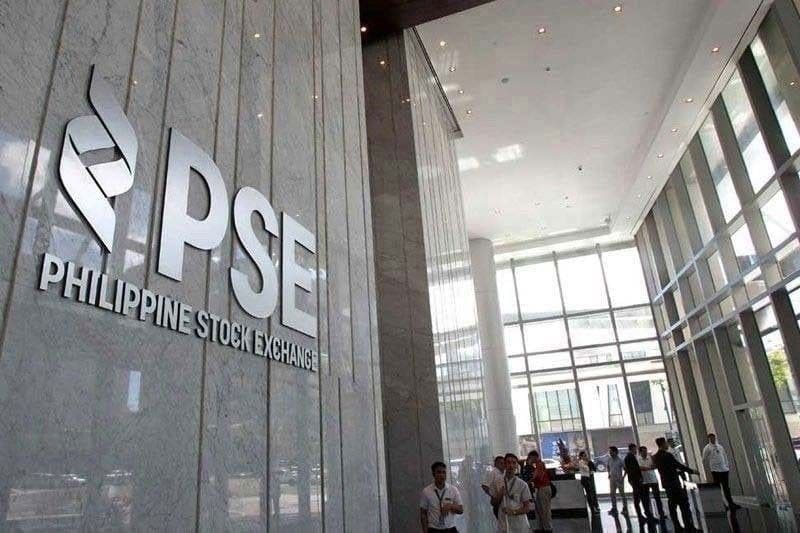
The PSE benchmark gained 0.22 per cent on Monday as investors responded to the Bangko Sentral ng Pilipinas's August policy report hinting at monetary easing next year if inflation cools.

KEY TAKEAWAYS
- ·The Philippine Stock Exchange index rose 0.22 per cent to 6,075.07 on Monday, with turnover reaching 5.70 billion pesos.
- ·The Bangko Sentral ng Pilipinas indicated in its August report that rate cuts in 2027 could be possible if inflation declines faster than expected.
- ·Traders remain cautious for the week ahead due to the absence of sustained positive catalysts and ongoing geopolitical uncertainty.
Monday Gains Driven by Monetary Policy Outlook
Manila equities posted modest gains on Monday as traders interpreted recent central bank guidance as a signal for selective buying. The Philippine Stock Exchange index added 13.26 points, or 0.22 per cent, closing at 6,075.07, while the broader All Shares index rose 5.12 points, or 0.15 per cent, to 3,363.52.
The Bangko Sentral ng Pilipinas released its August Monetary Policy Report last week, outlining a scenario in which a low-inflation environment could create space for policy rate reductions to support economic growth. The central bank stated that some policy tightening in 2026 remains necessary to contain high inflation, but acknowledged that a policy reversal in 2027 could become possible in response to weakening economic prospects.
The BSP has raised interest rates by 75 basis points this year, bringing the benchmark rate to five per cent. The monetary authority's forward guidance marked a shift in tone that caught the attention of equity investors looking for direction after two consecutive sessions of declines.
Trading Activity and Market Breadth
Turnover reached 5.70 billion pesos on Monday, with market breadth nearly evenly split. Ninety-six stocks advanced, 95 declined, and 66 remained unchanged. Logistics operator International Container Terminal Services Inc. was the most actively traded stock, gaining 0.51 per cent to close at 990 pesos per share.
According to Regina Capital Development Corp.'s head of sales Luis Limlingan, investors treated the BSP's policy signal as an opportunity for bargain hunting following the recent pullback. However, he noted that the market still lacks a positive catalyst to propel sustained growth.
Cautious Sentiment Persists
Despite Monday's advance, traders are expected to adopt cautious positioning for the remainder of the week. Limlingan pointed to the absence of a long-term peace deal in the Middle East as a factor weighing on risk appetite. The local bourse edged higher after engaging in selective buying, but the gains were modest and reflected limited conviction.
The central bank's indication that it could begin easing monetary policy if inflation declines faster than expected provided a near-term narrative for equities, yet the broader environment remains uncertain. With tightening measures still in place for 2026 and the pace of any future rate cuts dependent on inflation data, investors are balancing optimism about eventual easing against the reality of continued restrictive policy in the near term.
Regional Context and Policy Trade-offs
The BSP's policy trajectory reflects a balancing act familiar to central banks across Southeast Asia. After a period of aggressive tightening to combat inflation imported through commodity prices and currency depreciation, monetary authorities in the region are now assessing the trade-offs between price stability and growth support.
The Philippines raised rates by 75 basis points this year, a relatively measured pace compared to some regional peers, but enough to bring the benchmark to five per cent. The central bank's acknowledgment that a reversal could occur in 2027 signals confidence that inflation pressures may ease, but also underscores the uncertainty surrounding growth prospects.
For equity markets, the prospect of lower rates typically supports valuations by reducing the discount rate applied to future earnings and improving financing conditions for corporates. However, the timeline remains distant, and the conditionality attached to any easing means that investors are unlikely to price in aggressive rate cuts until inflation data confirms the shift.
What Comes Next
The immediate outlook for Manila equities depends on whether the market can find sustained catalysts beyond speculative positioning around future monetary policy. With the central bank still committed to tightening in 2026, the gap between current policy and any potential easing in 2027 leaves room for volatility.
Investors will be watching upcoming inflation prints closely, as well as any further guidance from the BSP on the conditions that would trigger a policy reversal. In the meantime, trading is likely to remain range-bound, with selective buying on dips balanced by caution over the broader macroeconomic environment and geopolitical risks.
Monday's session offered a glimpse of how the market might respond to a dovish shift in central bank rhetoric, but the durability of that response will depend on whether the economic data supports the narrative. For now, the gains were modest, the breadth was narrow, and the conviction was limited.
RELATED STORIES
Philippine Stock Index Falls Below 6,000 as Rate Increase and Currency Pressure Mount
Priyanka V. Rao · 3 min
Philippine Stocks Edge Higher as Inflation Cools to Five-Month Low
Jun-ho Seo · 3 min

GCash Parent Mynt Clears Final Regulatory Hurdle for Manila IPO
Mariel D. Santos · 3 min

Philippine Capital Inflows Slide as Foreign Firms Curtail Local Lending
Tran Quoc Bao · 3 min
Spot something wrong? Email editor@briefasia.com. We log every correction publicly.