Finance · Banking
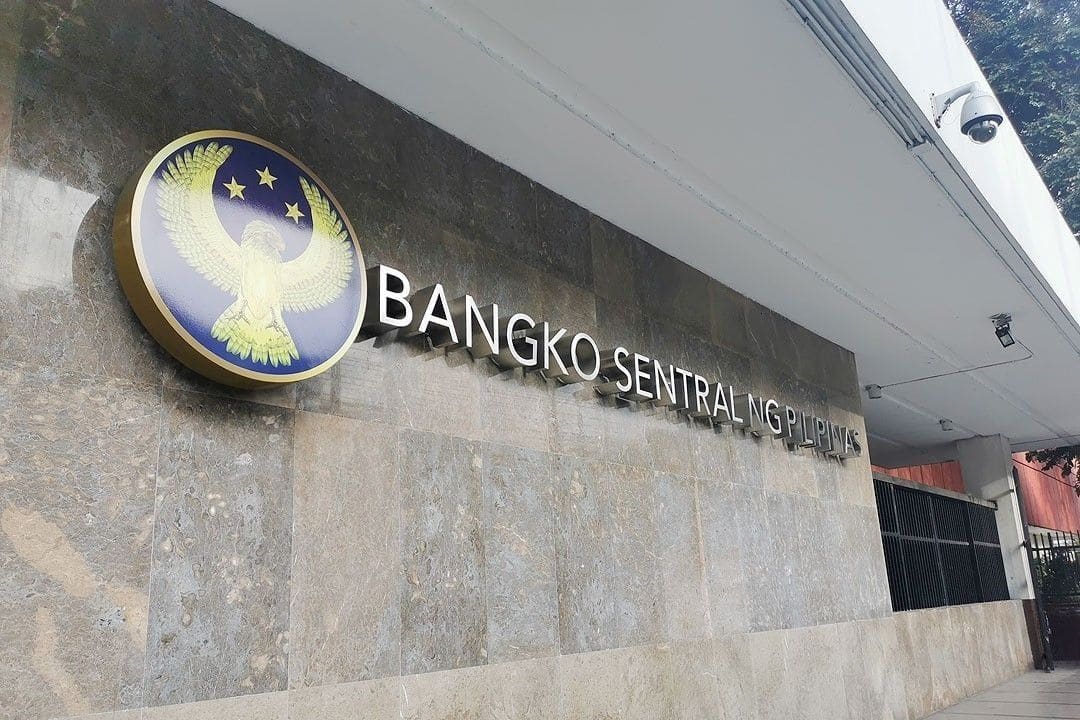
Philippines Central Bank Mandates National ID Integration for All Financial Institutions
BSP proposes phased rollout requiring banks, e-wallets, and digital lenders to connect verification systems to government database within six months
KEY TAKEAWAYS
- ·The Bangko Sentral ng Pilipinas is requiring all supervised financial institutions to integrate with the National ID Authentication Services within three to six months depending on institution type.
- ·Banks and e-wallets will use biometric and demographic verification through NIDAS for customer due diligence, with authentication confirmations replacing physical ID requirements for first-time customers.
- ·The central bank will monitor compliance through the Philippine Statistics Authority and may impose enforcement measures against institutions that fail to onboard within required timeframes.
Sweeping Mandate Targets Digital Identity Infrastructure
The Bangko Sentral ng Pilipinas has issued a draft memorandum requiring all regulated financial institutions to integrate their customer verification systems with the Philippine Statistics Authority's National ID Authentication Services. The proposal affects universal and commercial banks, digital banks, electronic money issuers, virtual asset service providers, and payment system operators throughout the archipelago.
The central bank frames the requirement as an effort to establish the National ID as the country's primary proof of identity while tightening know-your-customer protocols across the financial sector. Nearly every BSP-supervised institution will need to onboard with NIDAS for customer due diligence activities, including account opening and identity verification procedures.
Tiered Rollout Sets Aggressive Deadlines
Under the proposed phased implementation, institutions face different compliance windows based on their risk profile and customer reach. Universal and commercial banks offering retail services, digital banks, e-money issuers, and virtual asset platforms must submit complete NIDAS applications within three months of the memorandum's effective date, according to the BSP.
All other universal and commercial banks, thrift banks, rural and cooperative banks, covered payment system operators, and remaining supervised entities receive a six-month window. Financial institutions registering with the BSP after the memorandum takes effect must comply within the corresponding timeline measured from their registration date.
An institution achieves initial compliance once it submits a complete application and all required documentation to the Philippine Statistics Authority. Those seeking to shift from the first implementation phase to the second require approval from the relevant BSP supervising sector.
Authentication Framework Replaces Physical Documents
The integration enables financial institutions to leverage biometric and demographic verification capabilities through multiple authentication tiers. Once customer due diligence concludes via NIDAS, the resulting authentication confirmation may satisfy identification requirements for first-time customers, eliminating the need to present physical or printed National ID cards.
Financial institutions retain the option to accept other valid identification documents or deploy alternative verification methods, particularly when customers lack a National ID or when NIDAS experiences downtime. The BSP clarified that the mandate does not restrict institutions to a single verification pathway.
Institutions may store authentication confirmation records subject to data privacy and information security regulations. They must maintain governance frameworks, anti-money laundering and counter-terrorism financing controls, cybersecurity safeguards, data protection measures, and customer consent mechanisms to support the new verification infrastructure.
Enforcement and Monitoring Mechanisms
The central bank will track application and onboarding progress through the Philippine Statistics Authority. BSP officials indicated they may impose supervisory enforcement actions against institutions that fail to comply or implement corrective measures within required timeframes.
The proposal positions the National ID system as a cornerstone of the Philippines' financial digitalization push. With Southeast Asia's mobile-first banking landscape expanding rapidly, the mandate aligns Manila with regional peers pursuing centralized digital identity frameworks.
Regional Context and Implementation Challenges
The move comes as ASEAN nations accelerate digital identity initiatives to support cross-border payments and financial inclusion targets. Indonesia launched a similar biometric verification requirement for fintech platforms in 2024, while Thailand integrated its national ID system with banking apps in early 2025.
The Philippines issued more than 80 million national ID cards since the system launched, though coverage gaps remain in remote provinces where connectivity and registration infrastructure lag urban centers. Financial institutions operating in these areas will need to balance the NIDAS mandate with practical realities of customer access.
The draft memorandum positions identity verification as both an inclusion tool and a compliance lever. By standardizing authentication across the banking sector, the BSP aims to reduce friction for customers opening accounts digitally while strengthening the central bank's oversight of money laundering risks and terrorist financing channels that exploit fragmented verification systems.
RELATED STORIES

Philippines Central Bank Fielded 120,000 Customer Disputes in 2025
Priyanka V. Rao · 3 min

US and Japan Stage First Joint Yen Intervention in 28 Years
Cheng Wei-Lun · 3 min

Philippine Equities Face Headwinds as Second-Quarter Growth Hits 17-Year Low
Priyanka V. Rao · 3 min
ASEAN Targets Fourth-Largest Economy Spot as Internal Trade Lags Behind
Priyanka V. Rao · 3 min
Spot something wrong? Email editor@briefasia.com. We log every correction publicly.