Finance · Markets
Philippine Equities Face Headwinds as Second-Quarter Growth Hits 17-Year Low
Traders brace for range-bound trading as GDP slowdown and Middle East tensions weigh on sentiment, with central bank policy meeting in focus
KEY TAKEAWAYS
- ·Philippine GDP expanded just 2.3 percent year-on-year in the second quarter of 2026, the slowest quarterly growth in 17 years, pressuring equity sentiment despite a modest weekly gain.
- ·Analysts expect the Bangko Sentral ng Pilipinas to signal a dovish shift at its August meeting, with potential monetary easing now more likely as growth concerns outweigh inflation risks.
- ·The PSE index is trading in a 6,200 to 6,500 range, with resistance at the upper bound until infrastructure disbursement shows visible acceleration.
Market Searches for Direction After Growth Shock
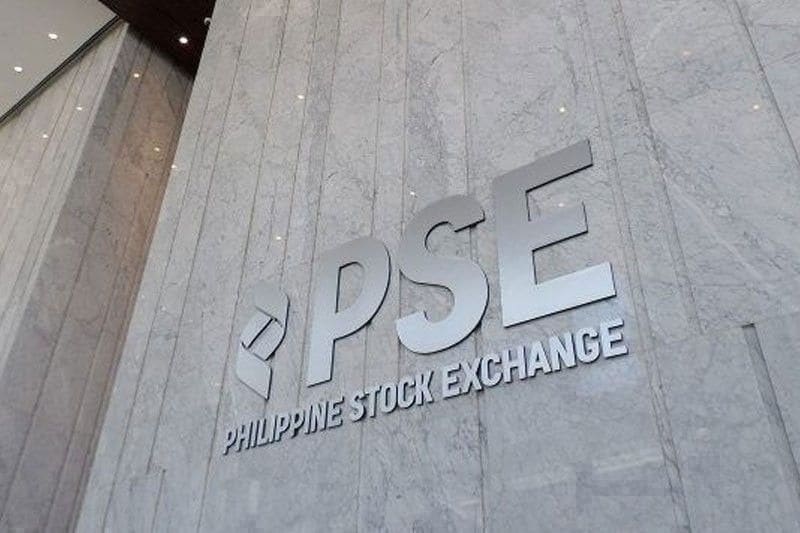
The Philippine Stock Exchange index gained 0.86 percent last week to close at 6,290.35, snapping a two-week losing streak. The modest recovery masks deeper concerns among equity strategists who expect volatility to persist as the market absorbs the implications of second-quarter economic growth slowing to 2.3 percent year-on-year, the weakest quarterly performance in 17 years.
Japhet Tantiangco, research manager at Philstocks Financial, noted that sentiment remains fragile. The combination of domestic growth deceleration and external risks is creating a challenging environment for risk assets. While inflation data for July showed some moderation and June employment figures posted gains in real terms, the sharp deceleration in GDP growth signals that the economy continues to lose momentum.
Geopolitical Risk Compounds Local Concerns
External factors are adding another layer of uncertainty. Tensions between the United States and Iran over passage through the Strait of Hormuz have reignited concerns about global oil supply. Contradictory narratives from Washington and Tehran about ongoing negotiations have fueled another rally in crude prices, with direct implications for energy costs across Southeast Asia.
Any further escalation in the Middle East could pressure local equities, particularly energy-intensive sectors. The Philippines remains a net oil importer, making it vulnerable to sustained price increases that could reignite inflationary pressures just as the headline rate begins to ease.
Central Bank Policy Pivot in View
Attention is now shifting to the Bangko Sentral ng Pilipinas and its upcoming Monetary Board meeting later this month. Cristina Ulang, head of research at First Metro Investment Corp., believes the market has already priced in recent negative news. She expects any upside to hinge on dovish messaging from the central bank ahead of its policy decision, particularly given the multi-year low GDP print for the second quarter.
The prospect of monetary easing has become more tangible as growth concerns begin to outweigh inflation risks. A shift in the BSP's stance could provide support for equities, though analysts caution that any rally may be capped until there is concrete evidence of a pickup in infrastructure spending.
Technical Range Holds for Now
2TradeAsia.com, the online trading arm of F. Yap Securities, expects the central bank's interest rate decision and corporate earnings reports to set the tone for markets following the GDP repricing. The firm views the next two to three weeks as an opportunity to position ahead of the BSP meeting rather than take a firm directional stance.
The medium-term technical range for the PSE index remains between 6,200 and 6,500, with the upper bound acting as resistance until there is visible evidence that government infrastructure disbursement is accelerating. The 6,200 level has provided support during recent sell-offs, but a break below could trigger a deeper correction.
Fiscal Execution Remains Key Variable
Beyond monetary policy, the pace of government spending will be critical to sustaining economic momentum in the second half of the year. Infrastructure disbursement has been uneven, and delays in project implementation have weighed on sectors ranging from construction materials to industrial equipment.
Investors are looking for signs that fiscal execution is improving, particularly as the administration seeks to maintain its infrastructure push despite tighter budget constraints. Any meaningful acceleration in public spending could shift sentiment and provide a catalyst for equities to break out of their current range.
The confluence of domestic growth concerns, external geopolitical risks, and uncertainty around central bank policy has left Philippine equities in a holding pattern. With corporate earnings season underway and a key monetary policy decision on the horizon, the next few weeks will be critical in determining whether the market can build on last week's modest gains or faces another test of support levels.
RELATED STORIES
Philippine Stocks Extend Losses as Investors Wait on GDP Print
Mariel D. Santos · 3 min

US and Japan Stage First Joint Yen Intervention in 28 Years
Cheng Wei-Lun · 3 min

Philippines Central Bank Fielded 120,000 Customer Disputes in 2025
Priyanka V. Rao · 3 min
Philippine Economy Stalls as Investment Collapse Drags Growth to Pandemic Lows
Priyanka V. Rao · 3 min
Spot something wrong? Email editor@briefasia.com. We log every correction publicly.